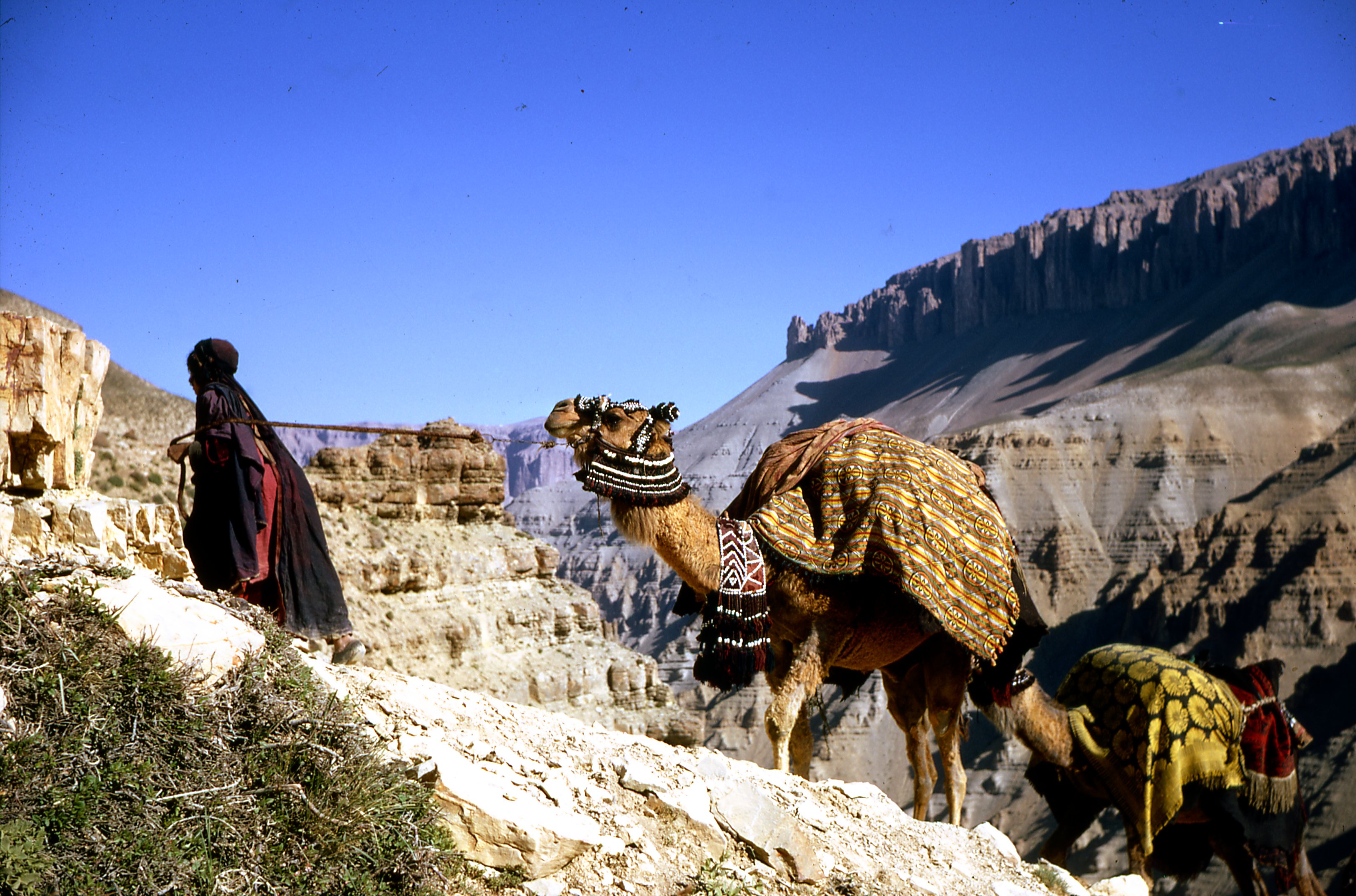
Nancy Lindisfarne writes: In the early 1970s, Richrd Tapper and I spent a year doing anthropological fieldwork with the Piruzai, pastoralists and farmers in northern Afghanistan. Our new book, The Piruzai of Afghanistan – A Visual Ethnography, tells their story in some 380 photographs, mostly in colour.
Since the time of our fieldwork, Afghanistan has been engulfed in nearly fifty years of war. During these tragic years, the Piruzai fled from the north of Afghanistan to refugee camps in Pakistan. They then returned to the Helmand in southern Afghanistan where some of them and their descendants have been major actors in more recent events.
All too often, Afghans have been stereotyped for other people’s purposes. In a world so altered, we have looked for ways to give something back to the people who welcomed us into their lives. Richard’s recent book Afghan Village Voices (Tapper & Lindisfarne-Tapper 2020) is a remarkable compilation of stories drawn from 100 hours of tape recordings in which the Piruzai speak for themselves. This visual ethnography is a companion volume to Afghan Village Voices and a further record of the lives of admirable people in an easier time.
The Piruzai of Afghanistan – A Visual Ethnography is published in association with The White Horse Press. If you want to order the book, details are at the end of this post.
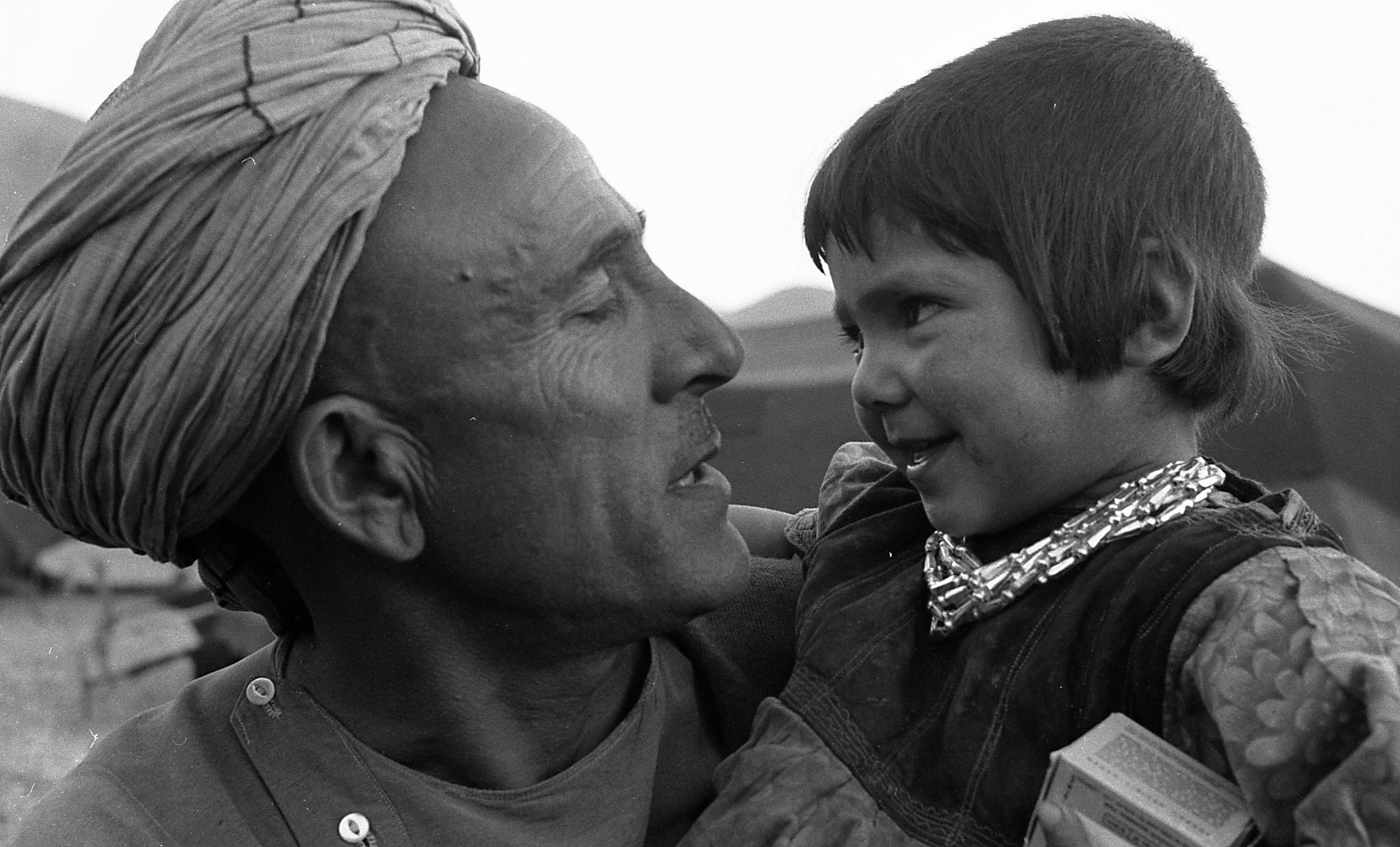
We were welcomed by Haji Tuman, the headman of one of the Piruzai villages, and joined him and his family in the spring pastures. Doing ethnographic fieldwork requires a lot of give and take, and it only works when it works. But when it does, it is a joy and an extraordinary privilege.
We loved watching Haji Tuman with his youngest daughter, Maygol. They were crazy about each other. .
The Piruzai kept two breeds of sheep, Karakuli and Arabi. Karakuli lambskins (known to furriers as Persian Lamb or Astrakhan) were the main source of cash income from pastoralism. The fat-tailed Arabi sheep were kept for milk, meat and wool.
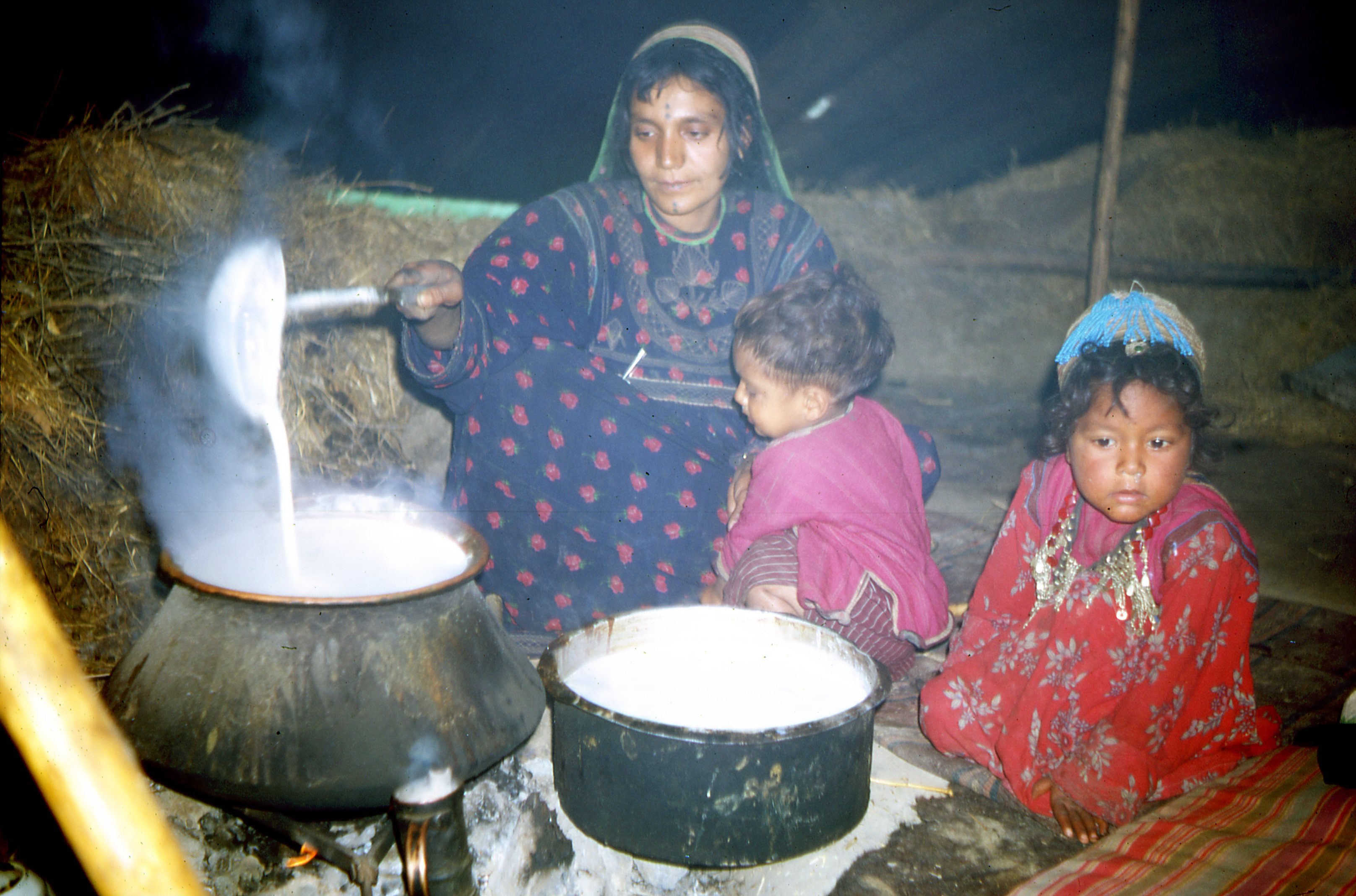
My friend Badam managed her tent household while her husband, Khani-Agha, was away on military service. I spent many whole days with her and her three little children, Taj-Mahmad, Shiri and Lal-Mahmad. Here Badam is boiling up whey to form whey balls, krut, a prized foodstuff made into soup and stews in winter.
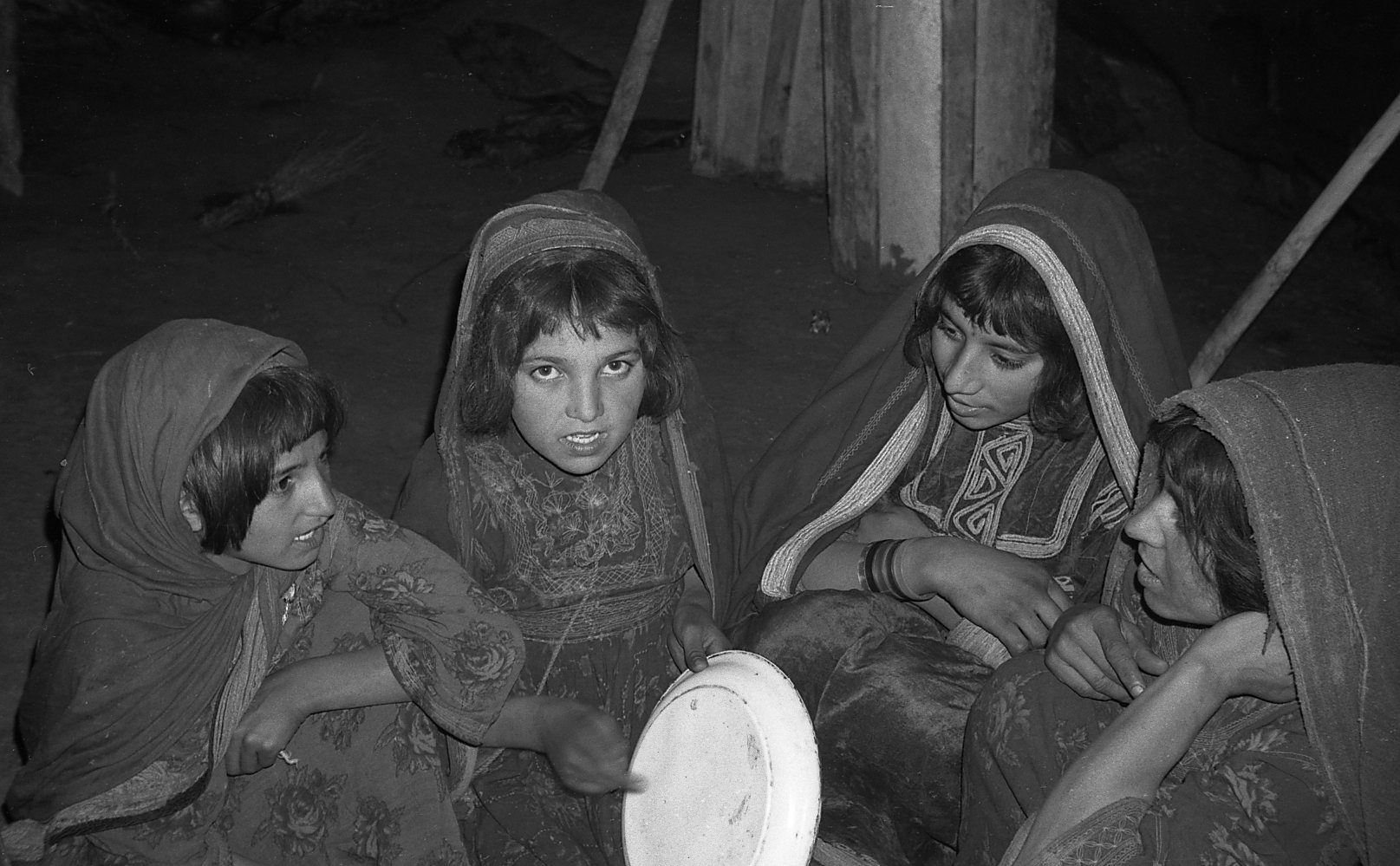
Spring was also a wedding season. In our camp Magar was due to leave home and join her husband, Jomadar, a second cousin and neighbour in the village. They were madly in love, and the celebrations were lavish. Small groups of girls and women close to the couple came together to sing and dance whenever they had a moment, day and night.

The arrival of the women guests at the wedding was eagerly anticipated.
Praise for The Piruzai of Aghanistan: Mululika Banerjee, Author of The Pathan Unarmed, Professor of Anthropology, London School of Economics, says – This book is a priceless treasure. It makes you see Afghans and Afghanistan in vivid colours with their humanity and generosity of spirit shining brightly, rather than the monochrome news coverage of their sad predicament today.
By May, the best of the fresh grass was gone and there was little water. This meant that while some people returned to villages in the valley to farm, others loaded camels with tents, food and belongings and made the spring trek with the sheep south to high summer pastures in the centre of the country.
Moving daily, at moonrise or just before dawn, the caravans took three weeks to reach the mountains of the Hazarajat some 250 kilometres away. At the end of summer, the pastoralists retraced their route from the mountains to their villages in the Sar-e-pol valley. We joined Haji Tuman on the trek to the mountains. The landscapes are simply spectacular

Once we entered the Sro-tanga gorge, we left, and remained for the rest of the summer, beyond the area of effective government control.

There were stories to be told at every campsite. On the way up to the Dablak Pass, the first of three 3000-meter-high passes we had to cross on the way to the summer pastures, Pakiza, Haji Tuman’s wife, told me, pointing to the place: ‘Just there’, she said, ‘that’s where I gave birth to Golpeyda.’ Golpeyda was now five – and making the trek for the first time. She was very pleased with her rose-hip necklace.

At Spina-kala, the ‘White Castle’, the caravans moving ahead of us were bathed in a strange morning light and everything seemed to glow.

The next morning we were still in shadow when we crossed the Kashan River at Duta’i.
More praise for The Piruzai of Afghanistan: Magnus Marsden, Author of Beyond the Silk Roads, Professor of Social Anthropology, University of Sussex, says – This deeply moving book and its beautiful photographs will be widely read and will result in much-needed reflection on the injustices inflicted on Afghanistan’s people and environments over the past half century and more.
Chihab El Khachab, Author of Making Film in Egypt. Visual Anthropologist, University of Oxford, says – The authors are pillars in the ethnography of Afghanistan. In Afghan Village Voices, they gave us a chance to hear their interlocutors directly. In The Piruzai of Afghanistan, we can now see them. A striking visual journey into an ill-understood part of the world. A great homage to the Piruzai.
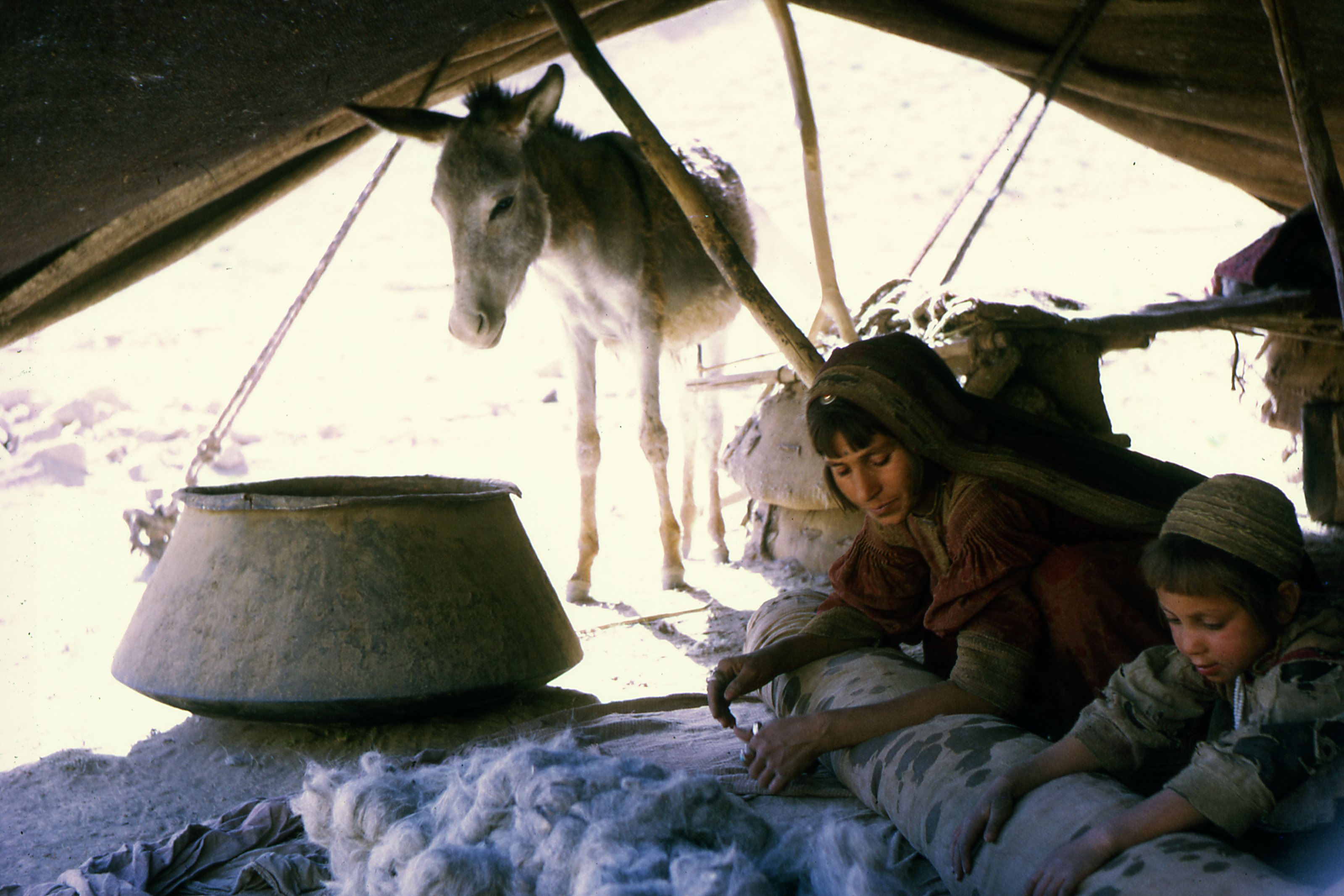
Once we reached the summer pastures, felt-making was part of women’s work. Nigar started this small felt by laying a free-form design in coloured wool on a big cloth. As she explained, it was a nice way to begin what soon turned into the hard work of pressing the wool into felt.
Photographs were not part of the Piruzai world in the early 1970s. For many men and women deciphering the black-and-white photos Richard and I had a chance to bring back brought back from Kabul that summer took some learning.
But people liked having pictures of themselves and the people they loved. Both women and men were willing subjects. They were relaxed and amused to think of having their pictures taken.

Nigar wanted me to take a photo of her milking and bring it back from Kabul.

This is Nigar with her husband, Gul Ahmad.
More praise for The Piruzai of Afghanistan: Veronica Doubleday, Writer and Musician. Author of Three Women of Herat, says –With its personalised commentary and beautiful images of people and landscape, this precious book captures the essence of a remarkable pastoral nomadic culture now lost.

The return journey to the north was as stunning as the travel to the mountains had been.
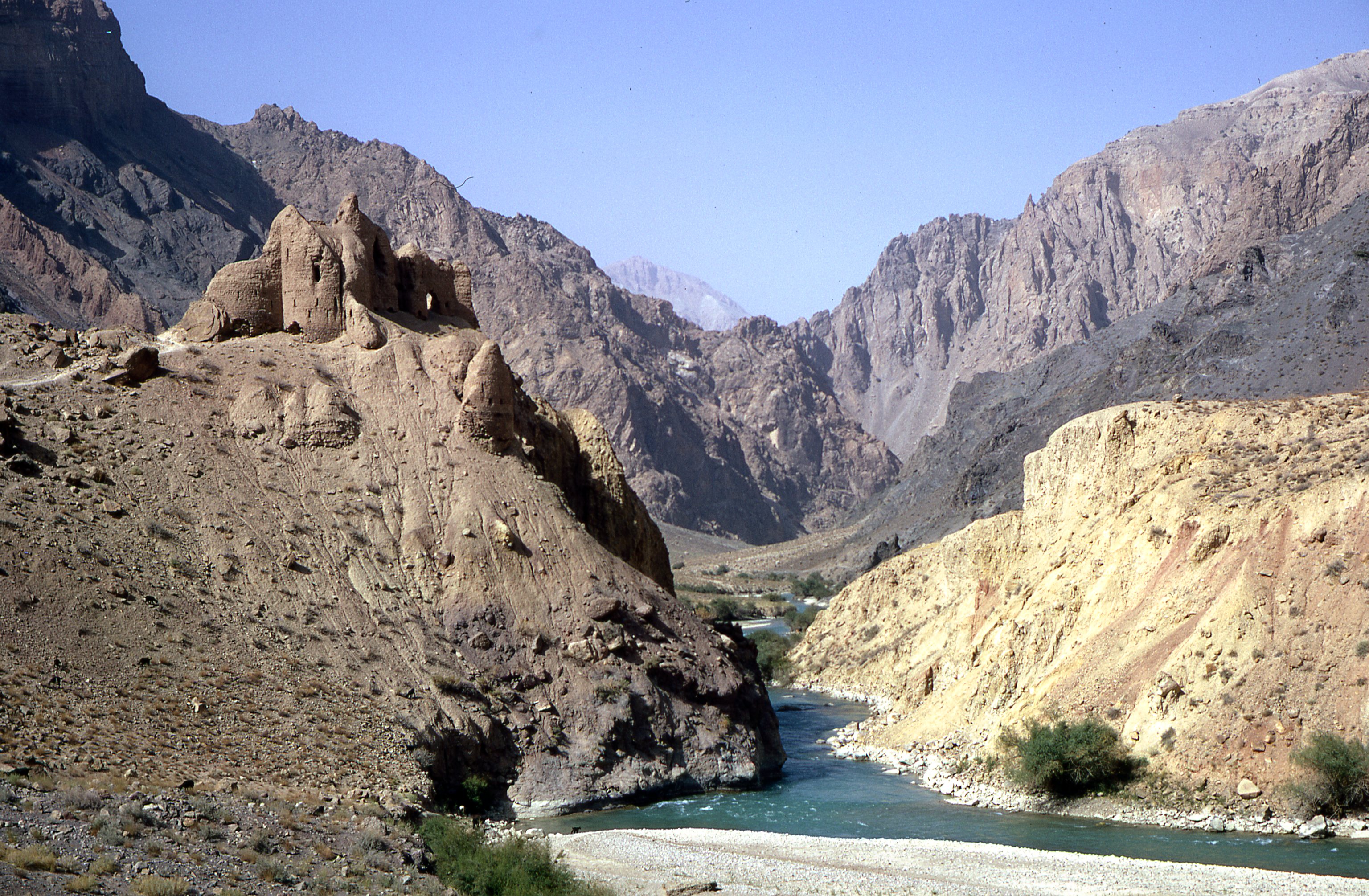
The route along the Kashan River often narrowed, and at each bottleneck, there were the ruins of another ancient fort. The few routes between India and Central Asia that camels can manage had been well patrolled and heavily fortified throughout history.
And at the end of the summer we returned to the villages in the valley as the harvest was being brought in. We got to know other members of Haji Tuman’s family and new neighbours and we took lots of pictures to bring back the next summer.

Payz-Mahmad, with his younger son, Nawruz, told us of his lonliness as a widower.

The camera loved Kaftan, Seyed-shah’s wife.

There was beautiful Khasak, newly married and happy.

Hawaldar was the able son of the village ‘headwoman’, Nishtar.

And in the summer of 1972, Padshah and Pahal told us of the terrible winter they had suffered looking after the flocks during the black months of icy cold. The flock losses that wintr were so great that none of the Piruzai went to the mountains that year.
How to buy the book –
The Piruzai of Afghanistan – A Visual Ethnography – Nancy Lindisfarne-Tapper and Richard Tapper
(Published in Association with The White Horse Press, 2025)
£40 (approx $54/46 Euros) in Hardback, £20 (approx $27/23 Euros) as an ebook –
You can order the book from The White Horse Press,
https://www.whpress.co.uk/publications/product/piruzai/
ISBN 978-1-917813-00-6; elSBN 978-1-917813-01-3
If you would like a review copy, please let us know via lindisfarne.neale[@]gmail.com
 Anne Bonny Pirate