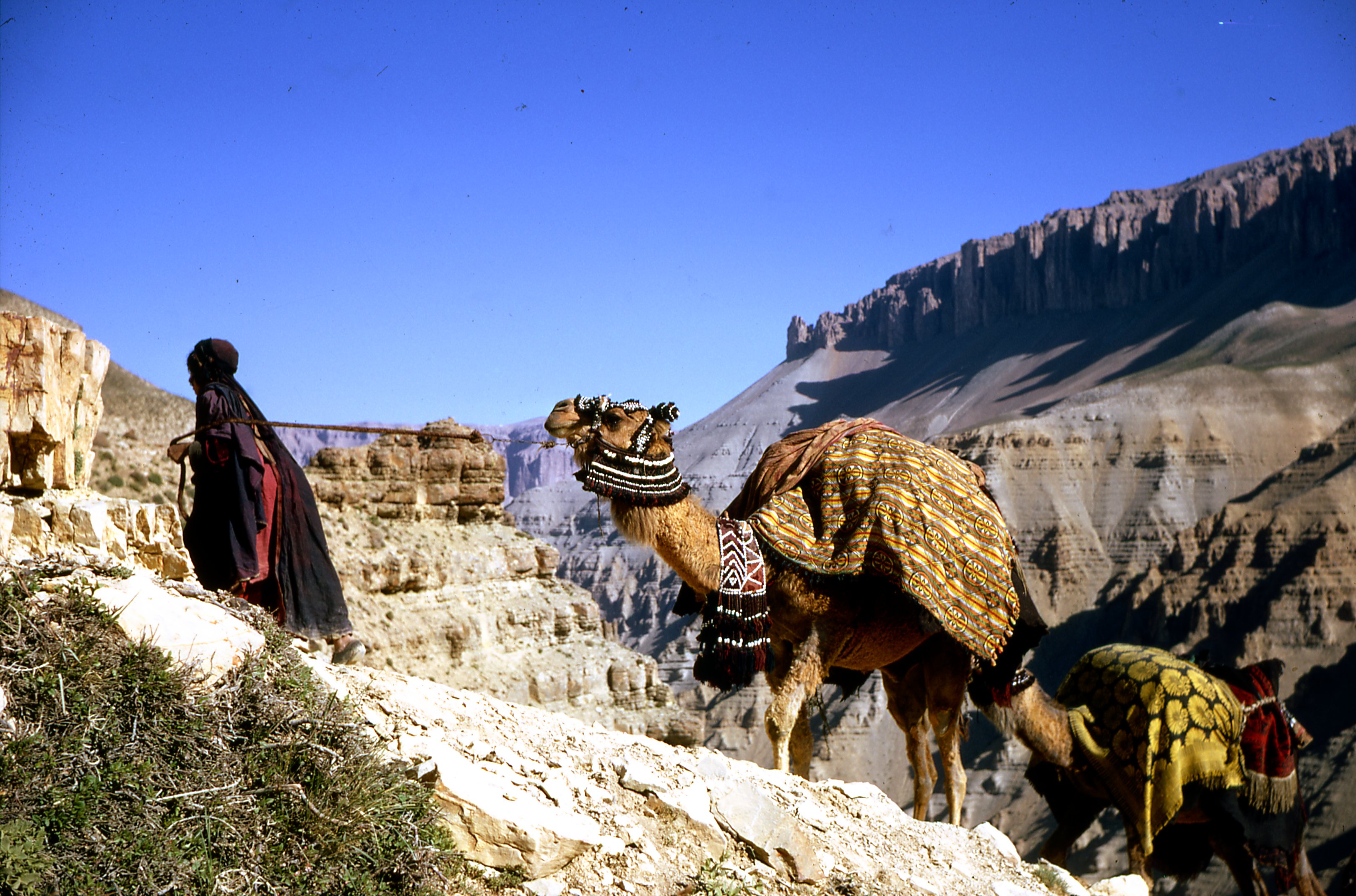
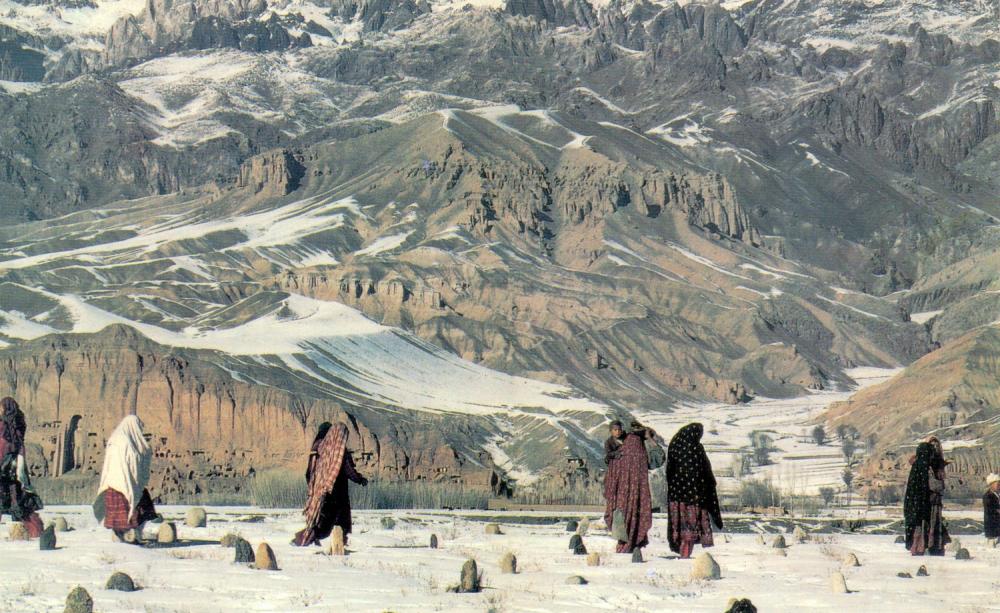
Jonathan writes: Nancy Lindisfarne-Tapper and Richard Tapper have just published The Piruzai of Afghanistan: A Visual Ethnography with White Horse Press. It’s a 360 page book of photographs in colour and black and white from their fieldwork with pastoral nomads in northern Afghanistan just over half a century ago. The book is a record of a way of life before 43 years of war changed everything. The photos beautiful and cumulatively very moving. My favourites are the landscapes of their astonishing trek with the flocks to the mountains in the center of the country, and the deeply humane portraits.
The book promised that a comprehensive bibliography of all Nancy and Richard’s published work on Afghanistan would be published on Anne Bonny. Here it is.
Nancy Lindisfarne writes: In the early 1970s, Richrd Tapper and I spent a year doing anthropological fieldwork with the Piruzai, pastoralists and farmers in northern Afghanistan. Our new book, The Piruzai of Afghanistan – A Visual Ethnography, tells their story in some 380 photographs, mostly in colour.
Since the time of our fieldwork, Afghanistan has been engulfed in nearly fifty years of war. During these tragic years, the Piruzai fled from the north of Afghanistan to refugee camps in Pakistan. They then returned to the Helmand in southern Afghanistan where some of them and their descendants have been major actors in more recent events.
All too often, Afghans have been stereotyped for other people’s purposes. In a world so altered, we have looked for ways to give something back to the people who welcomed us into their lives. Richard’s recent book Afghan Village Voices (Tapper & Lindisfarne-Tapper 2020) is a remarkable compilation of stories drawn from 100 hours of tape recordings in which the Piruzai speak for themselves. This visual ethnography is a companion volume to Afghan Village Voices and a further record of the lives of admirable people in an easier time.
The Piruzai of Afghanistan – A Visual Ethnography is published in association with The White Horse Press. If you want to order the book, details are at the end of this post.
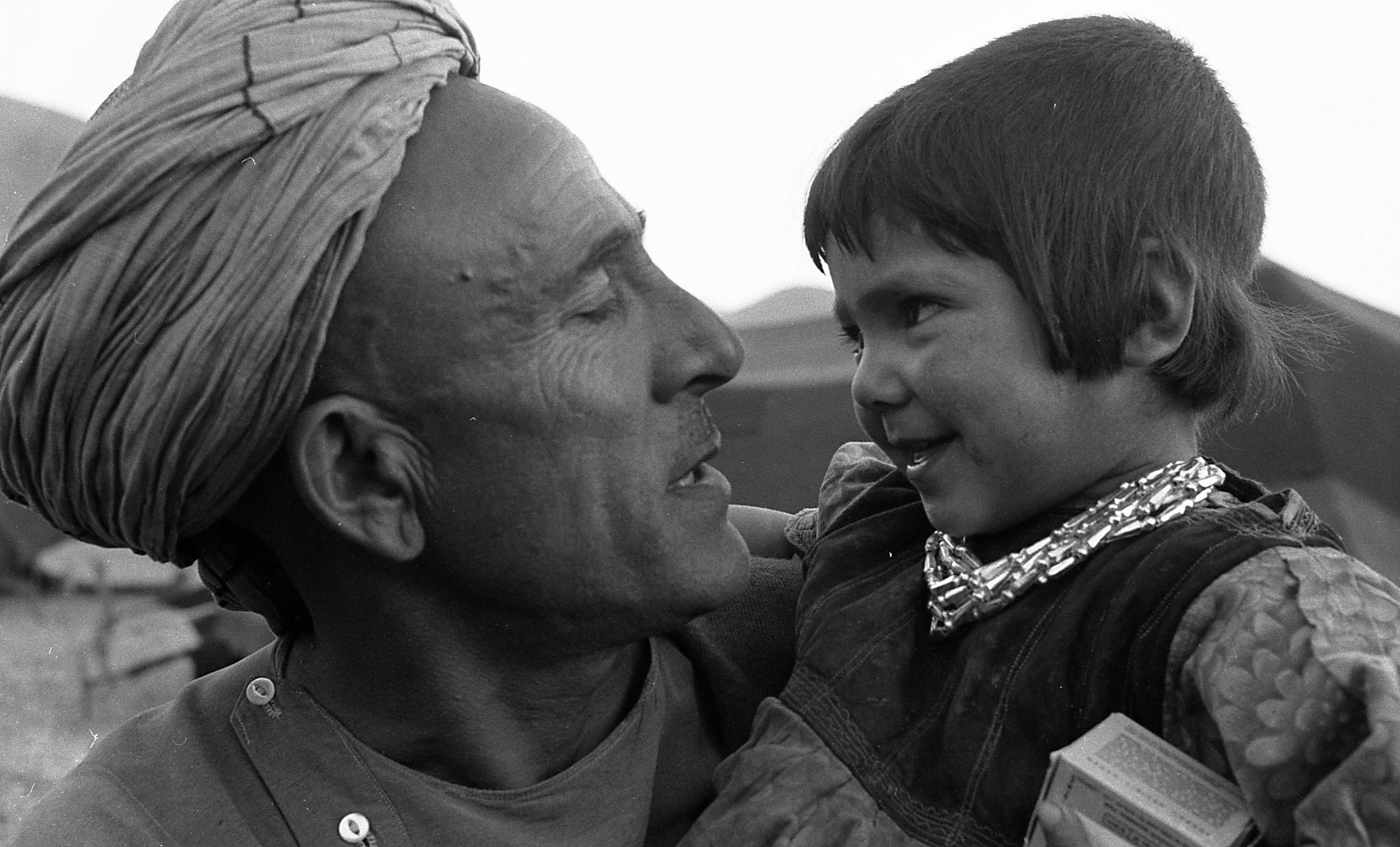
We were welcomed by Haji Tuman, the headman of one of the Piruzai villages, and joined him and his family in the spring pastures. Doing ethnographic fieldwork requires a lot of give and take, and it only works when it works. But when it does, it is a joy and an extraordinary privilege.
We loved watching Haji Tuman with his youngest daughter, Maygol. They were crazy about each other. .
The Piruzai kept two breeds of sheep, Karakuli and Arabi. Karakuli lambskins (known to furriers as Persian Lamb or Astrakhan) were the main source of cash income from pastoralism. The fat-tailed Arabi sheep were kept for milk, meat and wool.
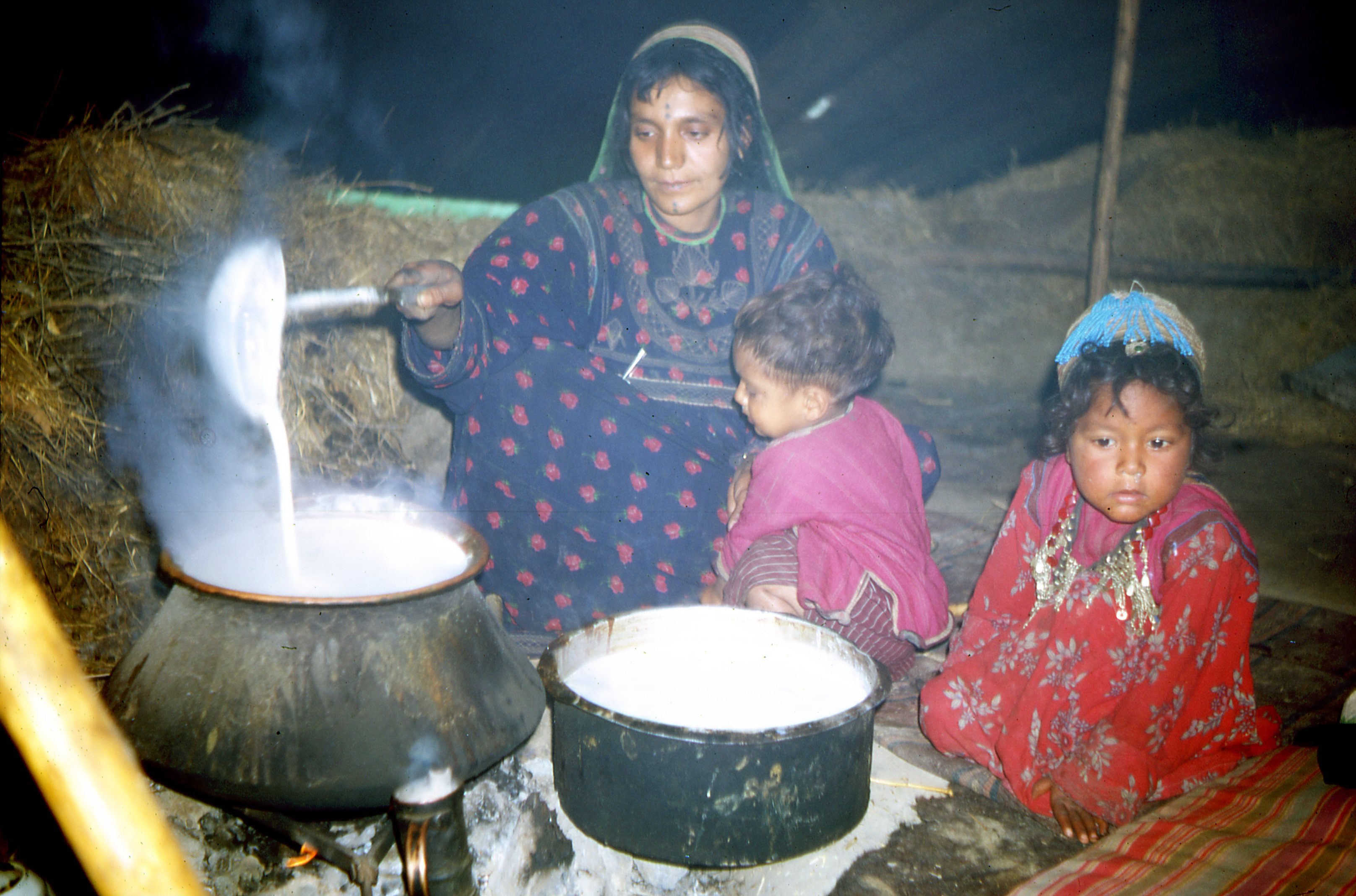
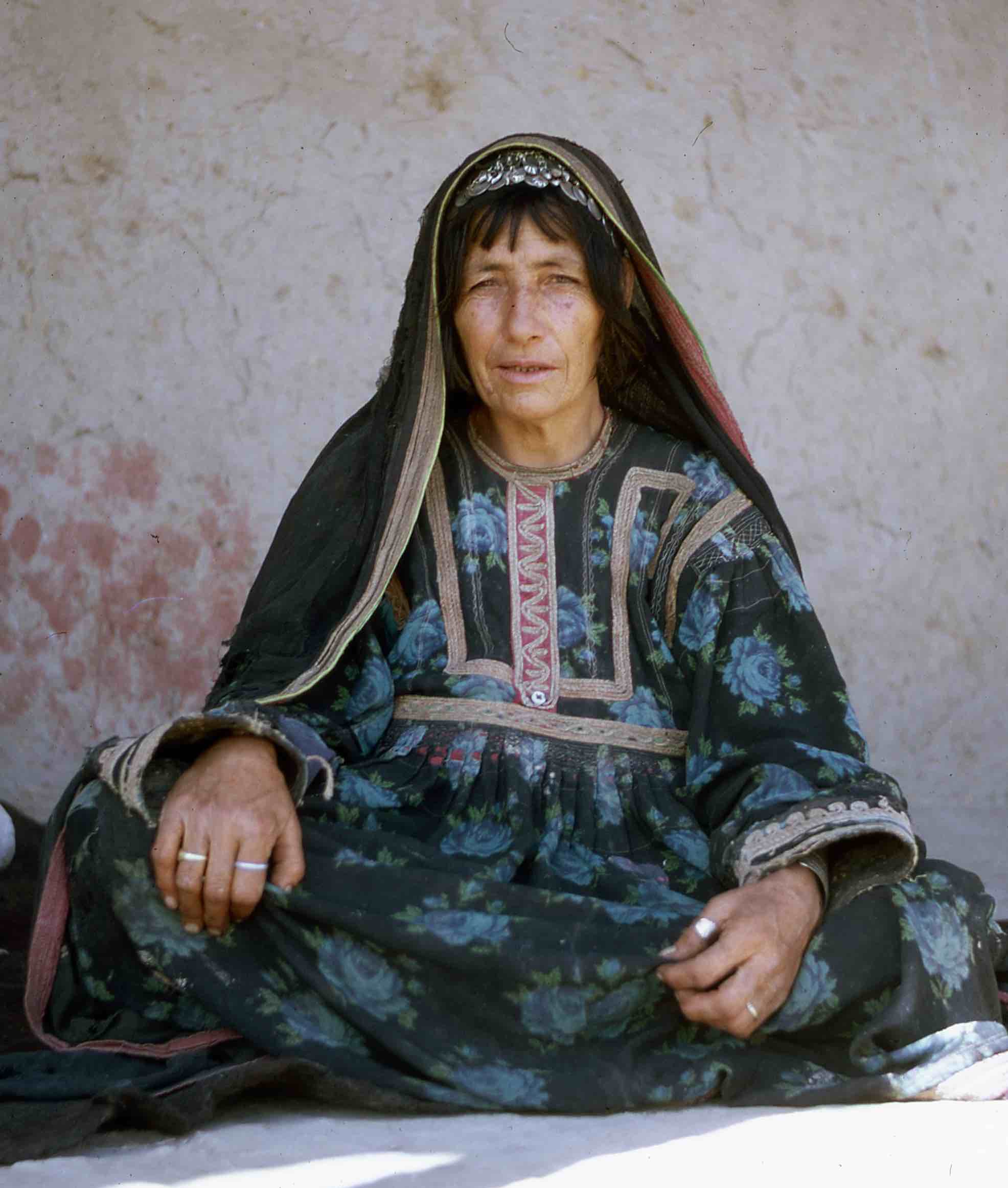
My friend Badam managed her tent household while her husband, Khani-Agha, was away on military service. I spent many whole days with her and her three little children, Taj-Mahmad, Shiri and Lal-Mahmad. Here Badam is boiling up whey to form whey balls, krut, a prized foodstuff made into soup and stews in winter.
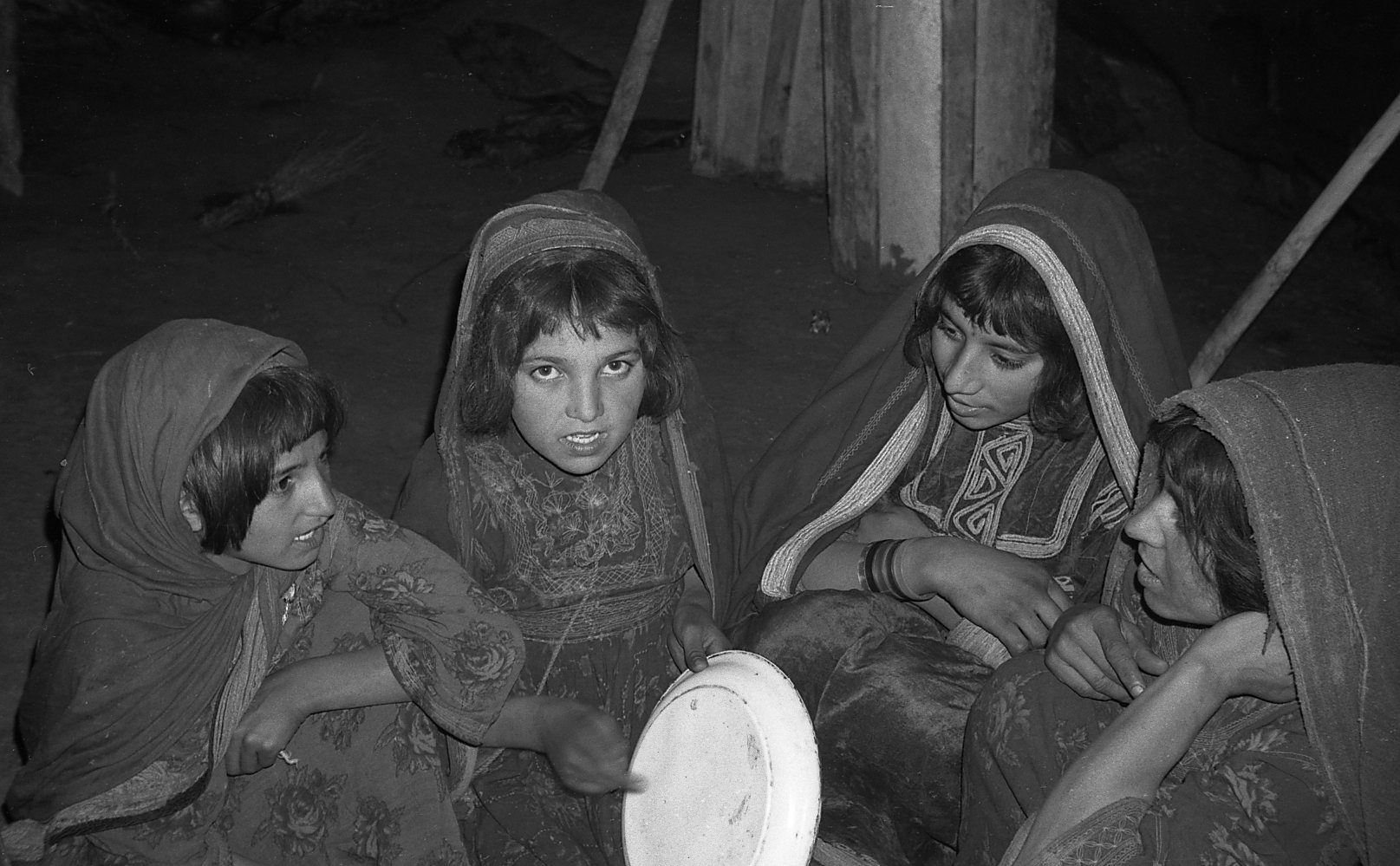
Spring was also a wedding season. In our camp Magar was due to leave home and join her husband, Jomadar, a second cousin and neighbour in the village. They were madly in love, and the celebrations were lavish. Small groups of girls and women close to the couple came together to sing and dance whenever they had a moment, day and night.
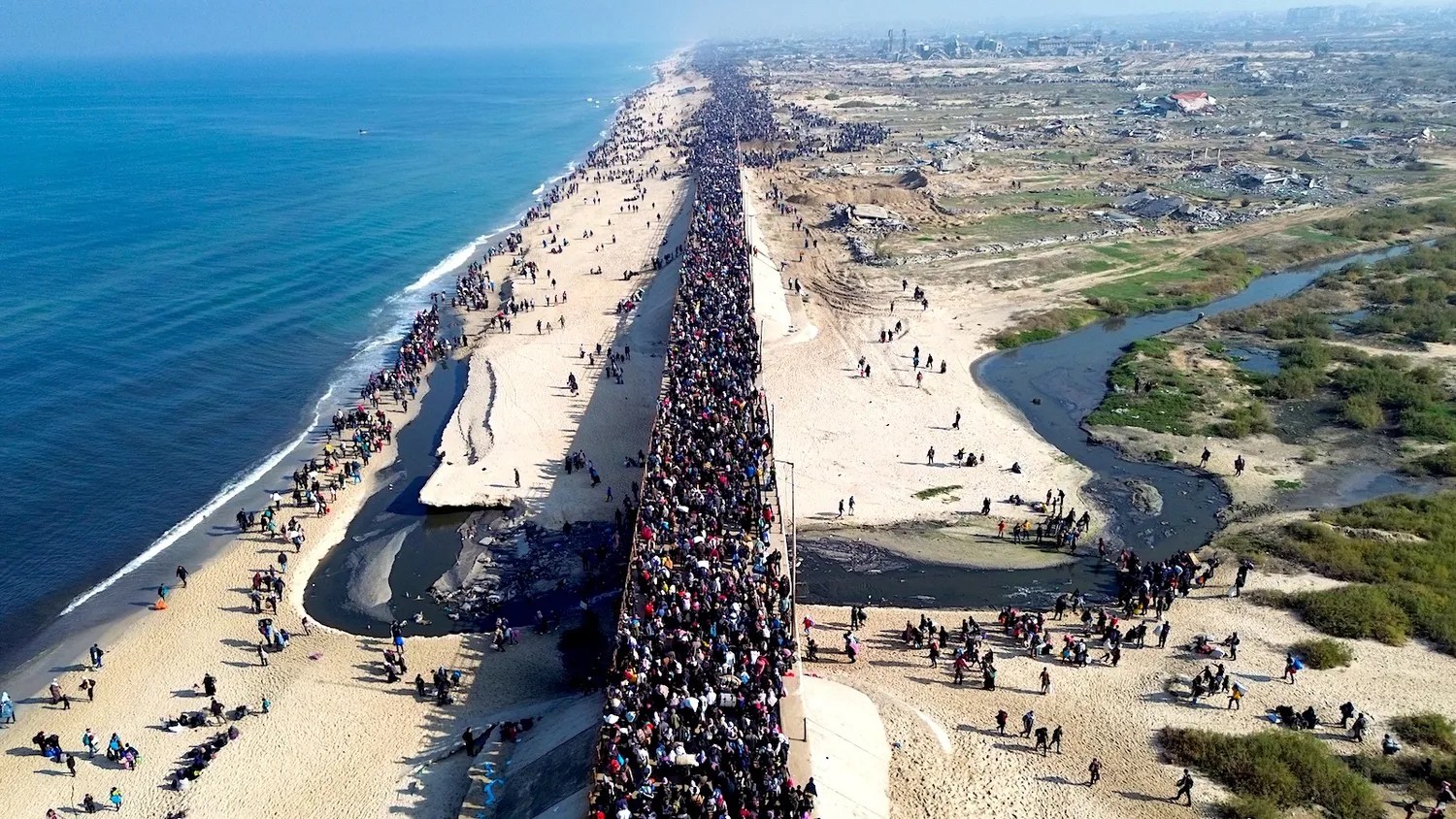
We have been watching the suffering on our phones and screens for almost two years. Now famine is here. Far from the horror, it seems obscene and unbearably self-indulgent to say that Gaza is upsetting. But certainly, many of the rich and powerful of this world seem to want us to feel that way. And perhaps the for them the real point of our distress is to make us feel helpless and fearful.
For many Israelis the point of this vast theatre of cruelty is the extermination, genocide, torture and breaking of the Palestinians. But for the powerful of the world, what matters most is the example and the creation of a new normal. They are showing all the rest of us what can be done to those of us who, even by our very presence, resist. And they think that in future they will have need of this example.
None of the cruelty is new. But easy availability of the images on our phones is new. And the direction global politics is taking is also new.
We are writing this in Massachusetts, sitting at a window looking out over a river in the dawn, safe and warm, two miles from the town of Mashpee. In 1665 the white English settlers of Massachusetts, the pilgrim fathers, went to war with the native people, the Wampanoag. They destroyed every Wampanoag community but the two bands who had converted to Christianity. Mashpee was one of those two communities, and the natives here survive, and are now proud and organized.
There is an account of the burning of a native fortress where people of the Narragansett tribe had offered refuge to fleeing Wampanoag. The white settlers set fire to the wooden fortifications and killed the people one by one as they ran from the flames. The settlers who survived remembered how they had to pray together at the top of their voices to drown out the screams of the burning natives.
Cruelty, conquest, racist wars and genocide are not new. These are old stories. We know people are saying Gaza is not a war, it’s just a one-sided massacre. But many colonial wars have been mostly one-sided massacres.
Children also died in the Nazi holocaust. Children died when the US Air Force created the firestorm over Tokyo and dropped atomic bombs on Hiroshima and Nagasaki.
But the photos and videos we see on our phones are new.
Phones are everywhere now. In Afghanistan they say that the 5G coverage is so good that every shepherd in the mountains has a phone. Of course, they are exaggerating a bit, and many people in many countries try hard not to look at the horrors happening in real time. But in another sense, the whole world is watching Gaza now.
And one thing people in Gaza have been saying over and over is that the people of the world have deserted them.
Jonathan Neale writes: Earlier this month I returned to Afghanistan for the first time in 51 years. Back then I had been a young anthropology student doing fieldwork with pastoral nomads. Now I write books and articles on climate breakdown. I had been invited back to give a keynote address at the first International Climate Change Conference in the country. I’ve been to a lot of climate conferences. This one is different.
Nancy Lindisfarne and Jonathan Neale write: A million and half people face forced deportation from Pakistan, and many more face drought and climate chaos in Afghanistan.
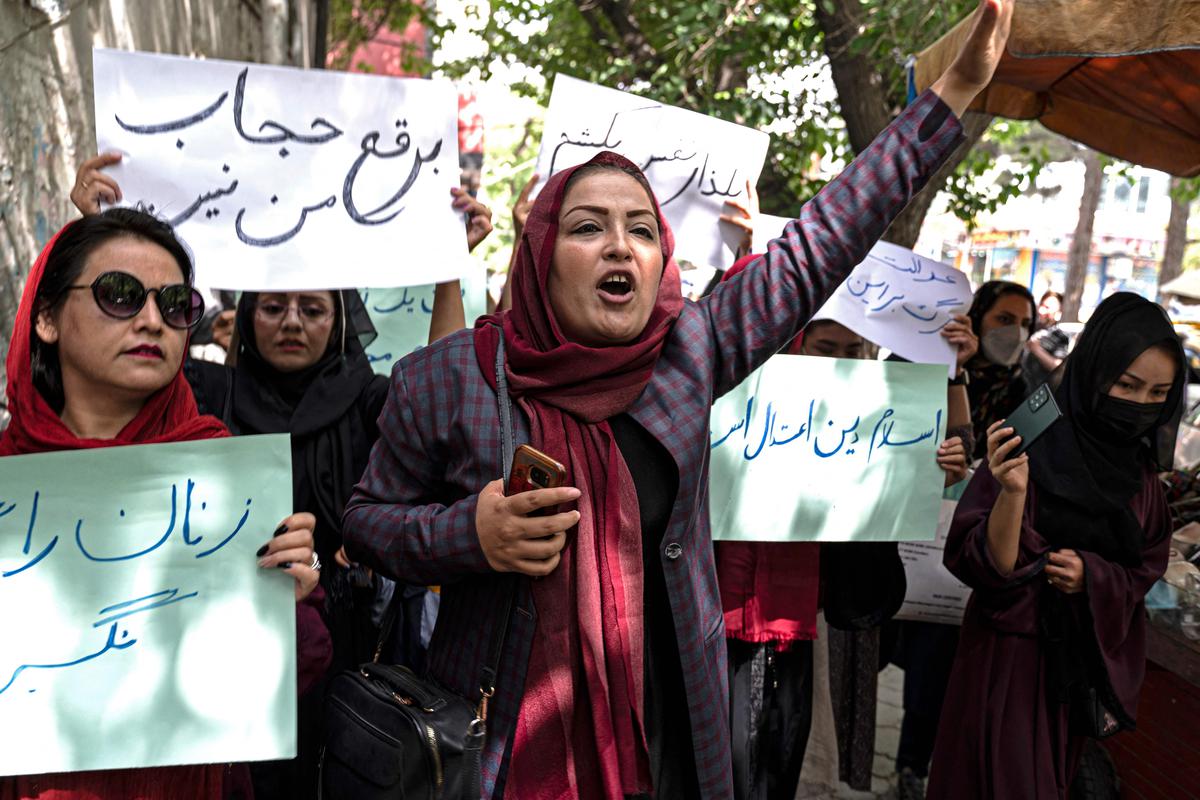
On Dec 19th the Taliban government announced that women would no longer be allowed to attend universities. On Dec 24th they announced that women would no longer be allowed to work for foreign funded NGOs. These are ugly developments. As so often before, both the Taliban and the Western powers are playing with women’s lives for their own political ends. This note explains how and why.
In the spring of 2006, I had tea with a woman I knew slightly but thought might become a friend. We sat at a low table in the Senior Common Room at SOAS. The room is attractive, curved at the far end, light and airy. A portrait of the explorer Richard Burton looked down on us.
My new acquaintance was short and dressed in beige in an academic hippy style. She began, without preamble, before we’d properly settled in: ‘I’ve travelled in the Middle East’, she said, and then, with that presumed authority some English women can manage, she let fly the racist crap.
‘I’ve seen what it’s like.’ Unstoppable, wringing her hands, she told me of her concern for Afghan women and began telling stories. Horror stories, every one.
‘Did the women themselves tell you these stories?’ I asked. ‘Well, no, not exactly.’
Six months ago, in a post about the American withdrawal from Afghanistan, we wrote: “This is a turning point in world history. The greatest military power in the world has been defeated by the people of a small, desperately poor, country. This will weaken the power of the American empire all over the world.” The consequences of the American defeat are now playing out in Ukraine. Putin, understanding the weakness of American power, is pushing to change the balance of power further.
This interview was first published in the Austrian socialist magazine Linkswende as Frauen in Afghanistan. You can read it in German here.
LINKSWENDE: Since the Taliban regained power in Afghanistan, the situation of Afghan women has come back into focus. How does this situation look like at the moment concretely?
NANCY LINDISFARNE: I think a place to start is that we need to understand what does actually happen with the Taliban and the actual defeat of the US, militarily and politically. So we’ve got a group pf people who have fought a guerrilla war and they have actually taken over a government with the idea of continuing to be not democratic but ruling a state. And they couldn’t have done this without – nobody wins a guerrilla war, certainly not one where the two sides are so disproportionately powerful and weak – without popular support. And that means that people all over the country have decided that the Taliban are a better deal than either the occupation government or the warlords.
This year a long-running drought caused by climate change has reduced the harvest by almost half. Hunger and famine threaten unless Afghans receive a great deal of aid, quickly. But there is the looming danger that US financial sanctions will make aid work impossible and combine with hunger to create economic collapse.
This article begins with the effects of climate change in Afghanistan over the last 50 years. Then we talk about the situation now. We argue that instead of making war for twenty years, the Americans could have worked to create climate jobs and prevent the climate crisis. We end with ideas of what people in other countries can do politically to help Afghans facing climate disaster.
Our recent post on Afghanistan has been translated into several languages, and there is a nice interview with Jacobin Radio and an interview in Chinese with The Paper. The links are below.
Nancy Lindisfarne and Jonathan Neale write: A lot of nonsense about Afghanistan is being written in Britain and the United States. Most of this nonsense hides a number of important truths.
First, the Taliban have defeated the United States. Second, the Taliban have won because they have more popular support.
Third, this is not because most Afghans love the Taliban. It is because the American occupation has been unbearably cruel and corrupt. Fourth, the War on Terror has also been politically defeated in the United States. The majority of Americans are now in favor of withdrawal from Afghanistan and against any more foreign wars.
Fifth, this is a turning point in world history. The greatest military power in the world has been defeated by the people of a small, desperately poor country. This will weaken the power of the American empire all over the world. Sixth, the rhetoric of saving Afghan women has been widely used to justify the occupation, and many feminists in Afghanistan have chosen the side of the occupation. The result is a tragedy for feminism.
In 1971 and 1972 Richard Tapper and I lived with Afghan villagers for nearly a year. The Piruzai, some 200 families, lived in two small settlements near the town of Sar-e Pol in northern Afghanistan. They were Pashtu-speakers, pastoralists and peasant farmers, poor people, working very hard to survive in a vicious feudal system.
The people, the setting, and even the division of labour between Richard and myself seemed to conform to every stereotype about the Middle East. There were veiled women, men on horseback, camel caravans, stunning scenery and dramatic lives. These were stereotypes shared by the Afghan officials, politicians and urban professionals we met in Kabul. But the people we met were not two dimensional.
They were warm, funny, clear-thinking and tough. They understood we were doing research – anthropology – insanshenasi – and they wanted to help us ‘write a book’. They wanted their words to be heard and written down. Living with the Piruzai was an immense privilege and our obligation to tell the story of the Piruzai is on-going. Continue reading →


 Anne Bonny Pirate