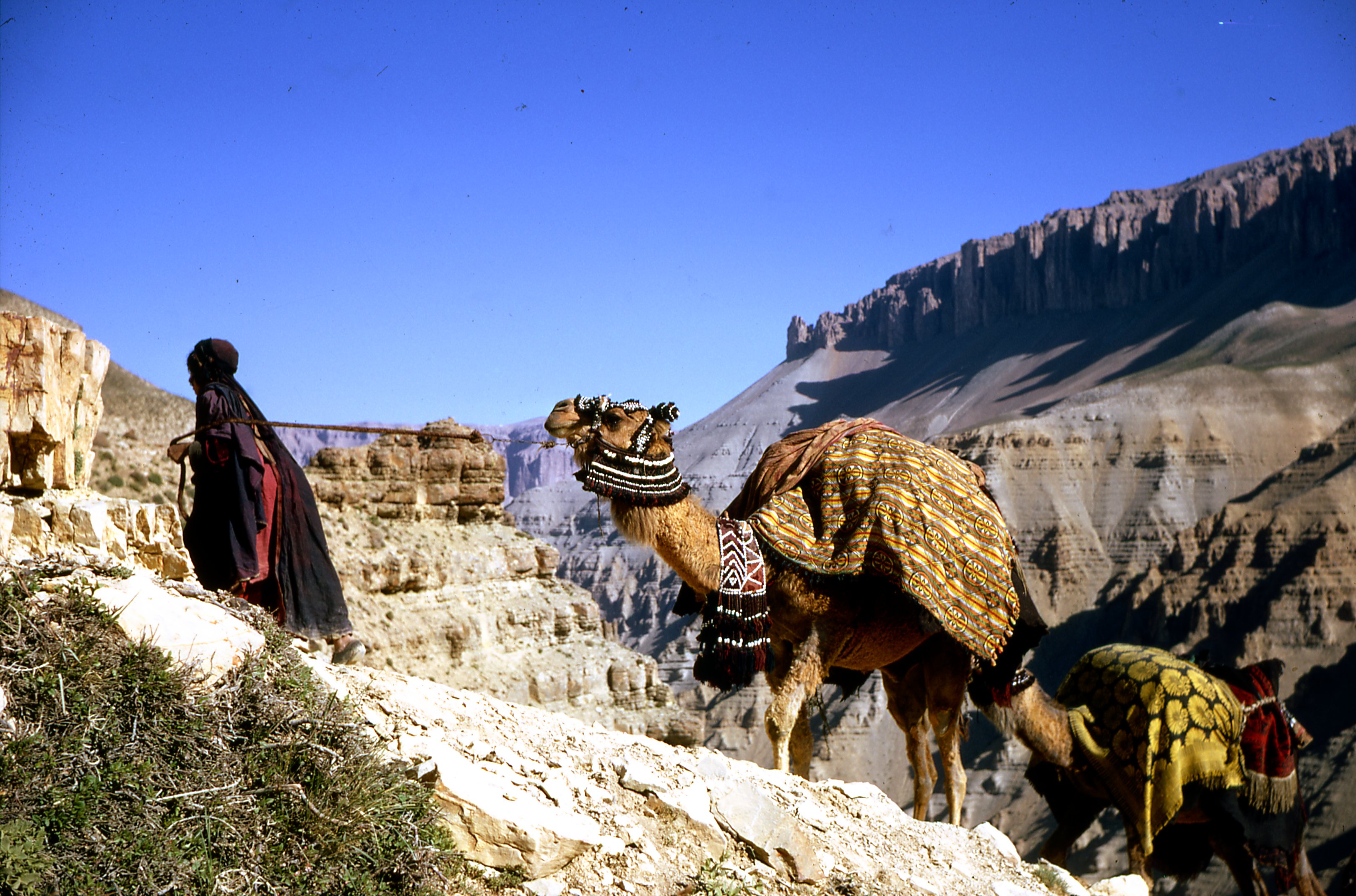
Jonathan writes: Nancy Lindisfarne-Tapper and Richard Tapper have just published The Piruzai of Afghanistan: A Visual Ethnography with White Horse Press. It’s a 360 page book of photographs in colour and black and white from their fieldwork with pastoral nomads in northern Afghanistan just over half a century ago. The book is a record of a way of life before 43 years of war changed everything. The photos beautiful and cumulatively very moving. My favourites are the landscapes of their astonishing trek with the flocks to the mountains in the center of the country, and the deeply humane portraits.
The book promised that a comprehensive bibliography of all Nancy and Richard’s published work on Afghanistan would be published on Anne Bonny. Here it is.
Nancy Lindisfarne writes: In the early 1970s, Richrd Tapper and I spent a year doing anthropological fieldwork with the Piruzai, pastoralists and farmers in northern Afghanistan. Our new book, The Piruzai of Afghanistan – A Visual Ethnography, tells their story in some 380 photographs, mostly in colour.
Since the time of our fieldwork, Afghanistan has been engulfed in nearly fifty years of war. During these tragic years, the Piruzai fled from the north of Afghanistan to refugee camps in Pakistan. They then returned to the Helmand in southern Afghanistan where some of them and their descendants have been major actors in more recent events.
All too often, Afghans have been stereotyped for other people’s purposes. In a world so altered, we have looked for ways to give something back to the people who welcomed us into their lives. Richard’s recent book Afghan Village Voices (Tapper & Lindisfarne-Tapper 2020) is a remarkable compilation of stories drawn from 100 hours of tape recordings in which the Piruzai speak for themselves. This visual ethnography is a companion volume to Afghan Village Voices and a further record of the lives of admirable people in an easier time.
The Piruzai of Afghanistan – A Visual Ethnography is published in association with The White Horse Press. If you want to order the book, details are at the end of this post.
We were welcomed by Haji Tuman, the headman of one of the Piruzai villages, and joined him and his family in the spring pastures. Doing ethnographic fieldwork requires a lot of give and take, and it only works when it works. But when it does, it is a joy and an extraordinary privilege.
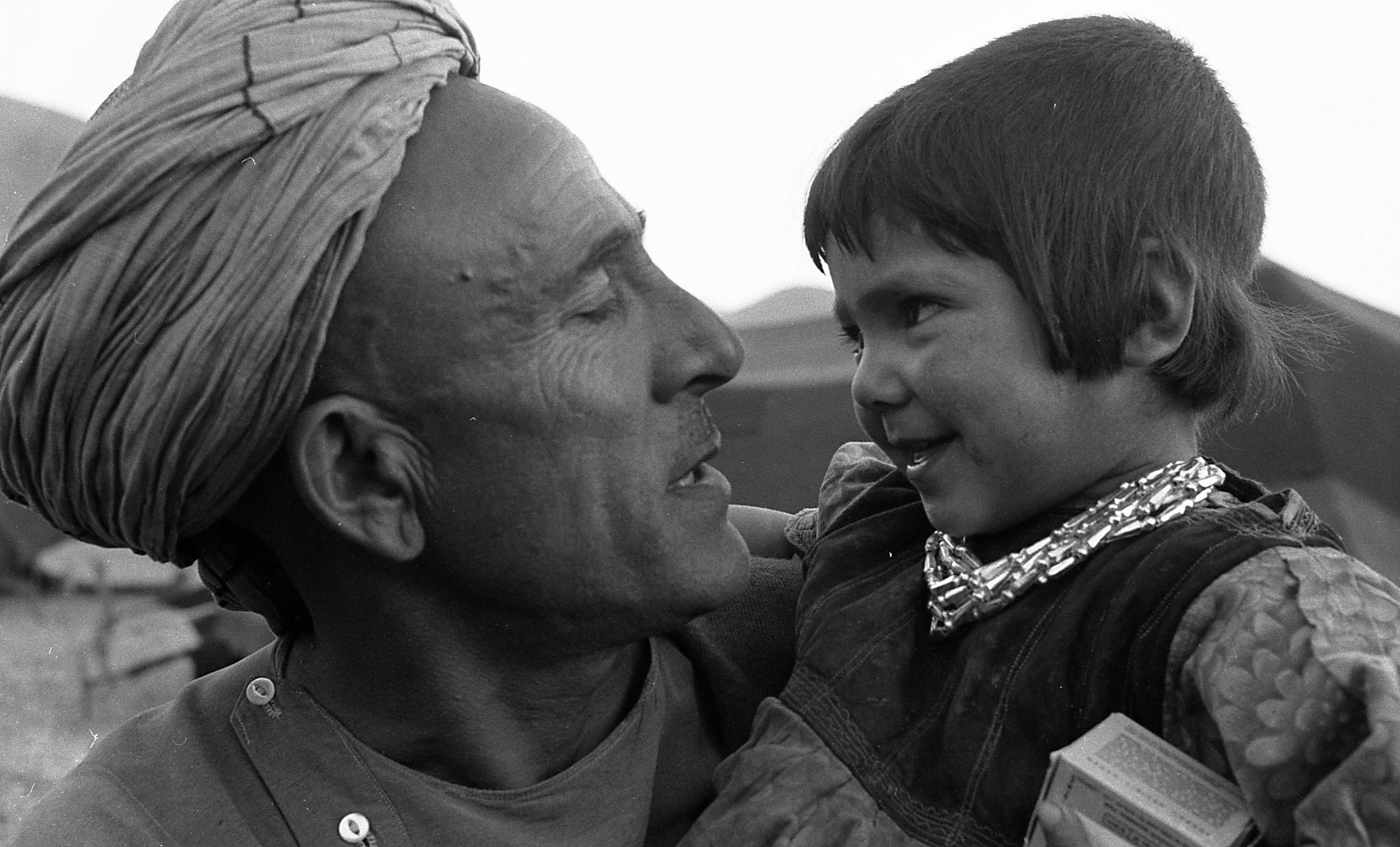
We loved watching Haji Tuman with his youngest daughter, Maygol. They were crazy about each other. .
The Piruzai kept two breeds of sheep, Karakuli and Arabi. Karakuli lambskins (known to furriers as Persian Lamb or Astrakhan) were the main source of cash income from pastoralism. The fat-tailed Arabi sheep were kept for milk, meat and wool.
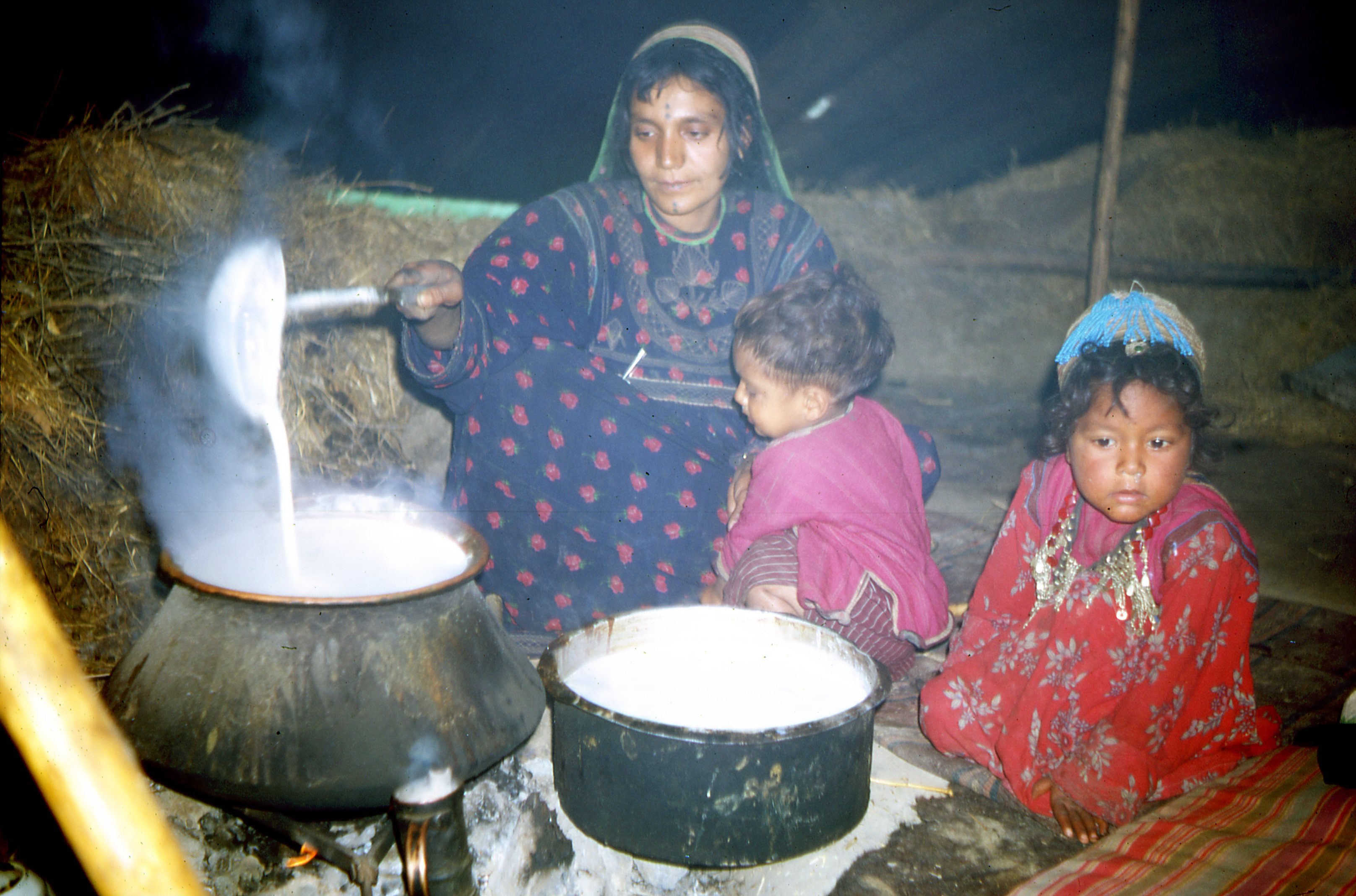
My friend Badam managed her tent household while her husband, Khani-Agha, was away on military service. I spent many whole days with her and her three little children, Taj-Mahmad, Shiri and Lal-Mahmad. Here Badam is boiling up whey to form whey balls, krut, a prized foodstuff made into soup and stews in winter.
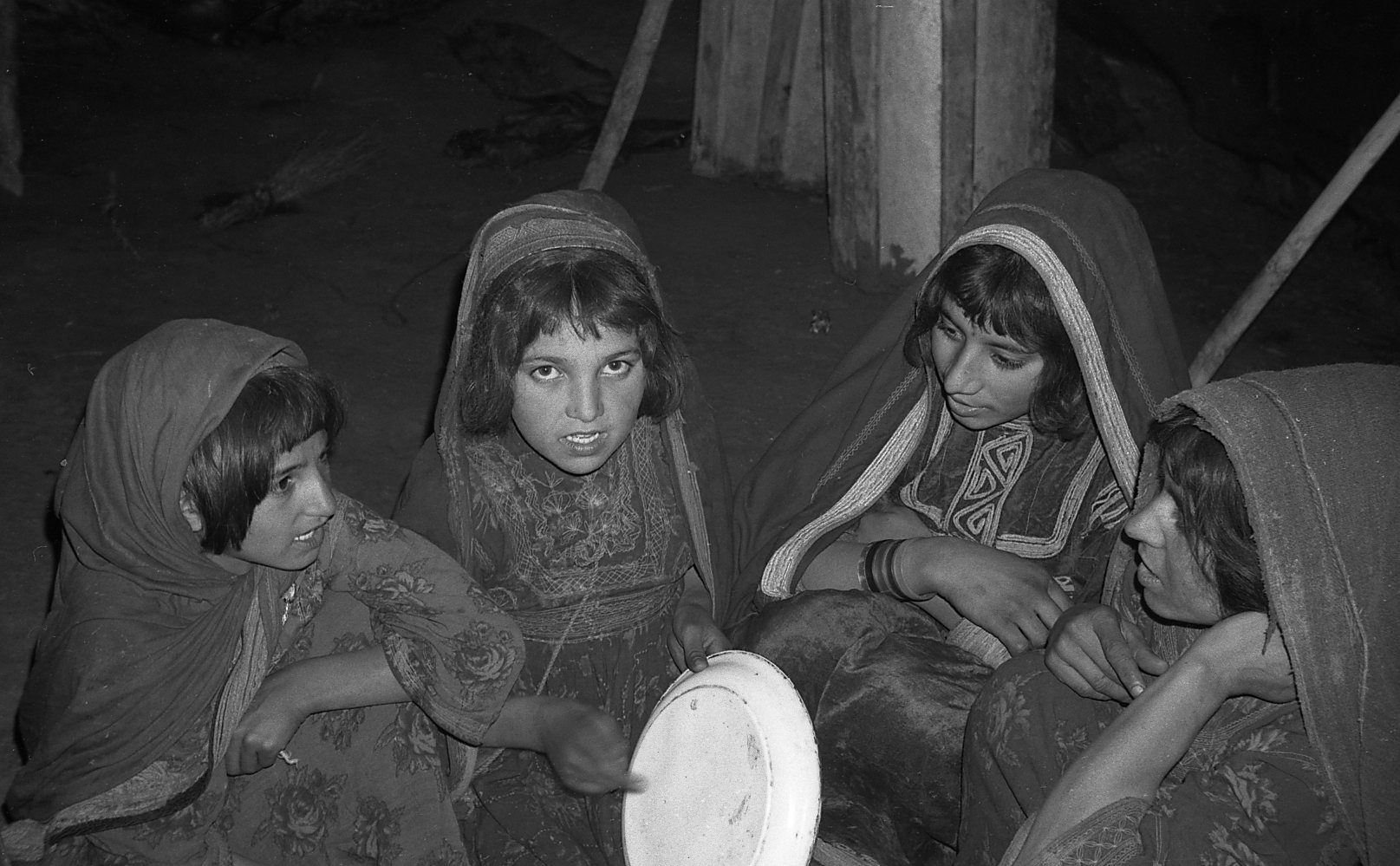
Spring was also a wedding season. In our camp Magar was due to leave home and join her husband, Jomadar, a second cousin and neighbour in the village. They were madly in love, and the celebrations were lavish. Small groups of girls and women close to the couple came together to sing and dance whenever they had a moment, day and night.
Harvard students enter the classroom to protest. Notice the posters.
Last February, almost a year ago, we published a long read about the struggle of three anthropology graduate students and their union against alleged sexual harassment at Harvard by Professor John Comaroff. (You can find that article here.) This is a short update.
A long read by Nancy Lindisfarne and Jonathan Neale
As we write, the case of alleged sexual harassment by John Comaroff, a professor of anthropology at Harvard, is exploding. The Harvard case is particularly egregious, not least because of the elite status of the university.
In this piece we treat the Harvard case as part of a much wider set of problems concerning class, sexual politics, inequality and resistance. Our focus initially is on universities in the United States. But we need to remember that academic enterprise today is utterly international. Everywhere the industry relies on similar economic models, has similar intellectual concerns and fosters the considerable mobility of professionals and students from workplace to workplace around the globe.
We are particularly addressing anthropology and other graduate students in the United States and across the world. Our aim is to try to answer some of the difficult questions that come up again and again in online discussion of the case.
Nancy Lindisfarne and Jonathan Neale review The Dawn of Everything: A New History of Humanity, by David Graeber and David Wengrow. This article was first published in The Ecologist.
Graeber and Wengrow’s new book is energetic, committed and kaleidoscopic, but also flawed.
This interview was first published in the Austrian socialist magazine Linkswende as Frauen in Afghanistan. You can read it in German here.
LINKSWENDE: Since the Taliban regained power in Afghanistan, the situation of Afghan women has come back into focus. How does this situation look like at the moment concretely?
NANCY LINDISFARNE: I think a place to start is that we need to understand what does actually happen with the Taliban and the actual defeat of the US, militarily and politically. So we’ve got a group pf people who have fought a guerrilla war and they have actually taken over a government with the idea of continuing to be not democratic but ruling a state. And they couldn’t have done this without – nobody wins a guerrilla war, certainly not one where the two sides are so disproportionately powerful and weak – without popular support. And that means that people all over the country have decided that the Taliban are a better deal than either the occupation government or the warlords.
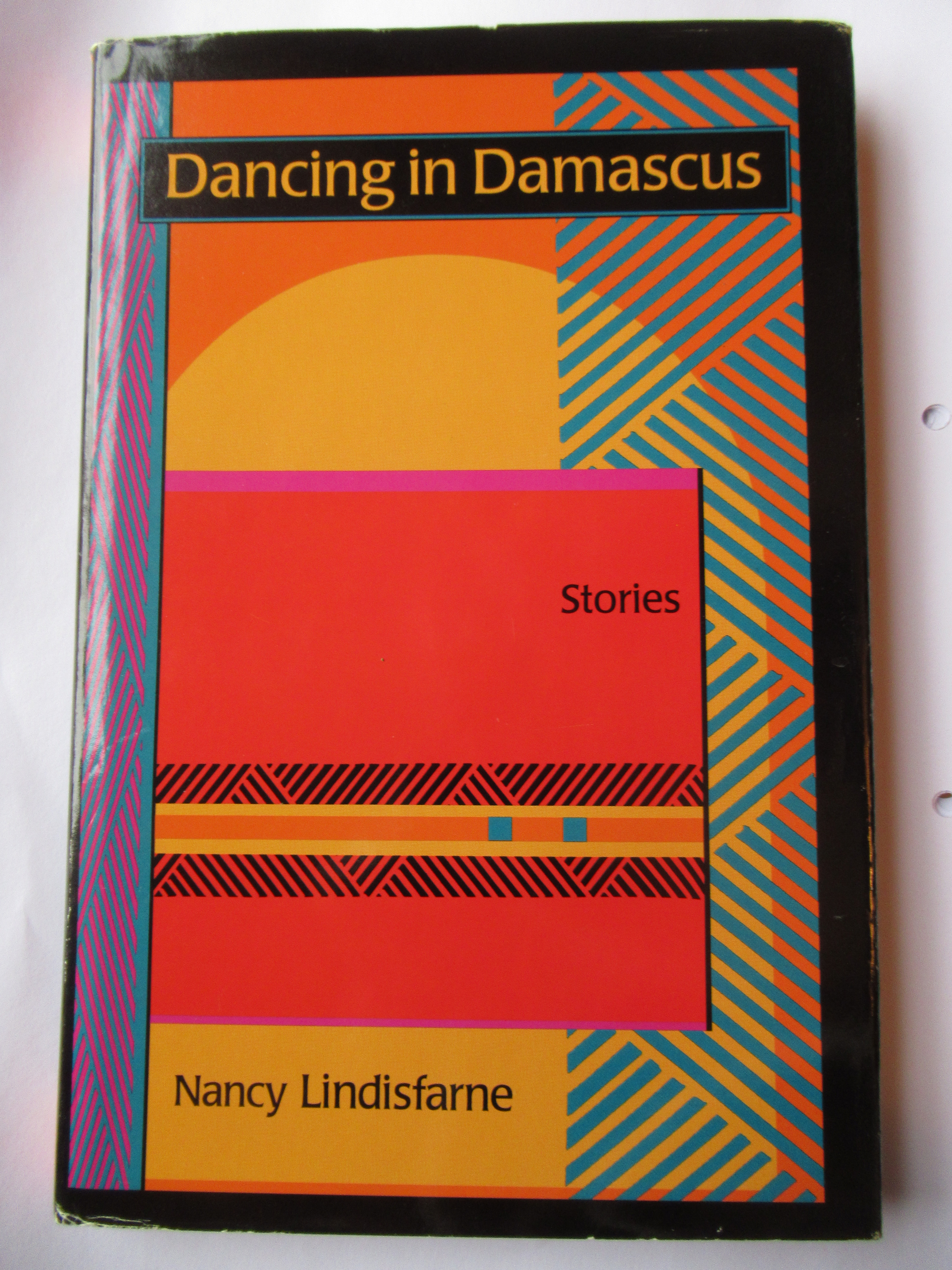
Based on the experiences and incidents she collected during her field studies in Syria, anthropologist Nancy Lindisfarne wrote Dancing in Damascus, a collection of short stories, in the late 1980s. [This review first appeared in German here in the Austrian socialist magazine Linkswende.]
Nancy Lindisfarne actually wanted to use the visit to a fellow student in the Syrian capital Damascus as an introduction to studies on the working class there. By chance, she got caught in the middle of the marriage policy of a wavering middle class, which fluctuated between tradition and “modernization” according to the Western model. In nine short stories, she describes the everyday life of a society under dictatorship, tells of the search for identity, gender roles, and the struggles for a self-determined life.
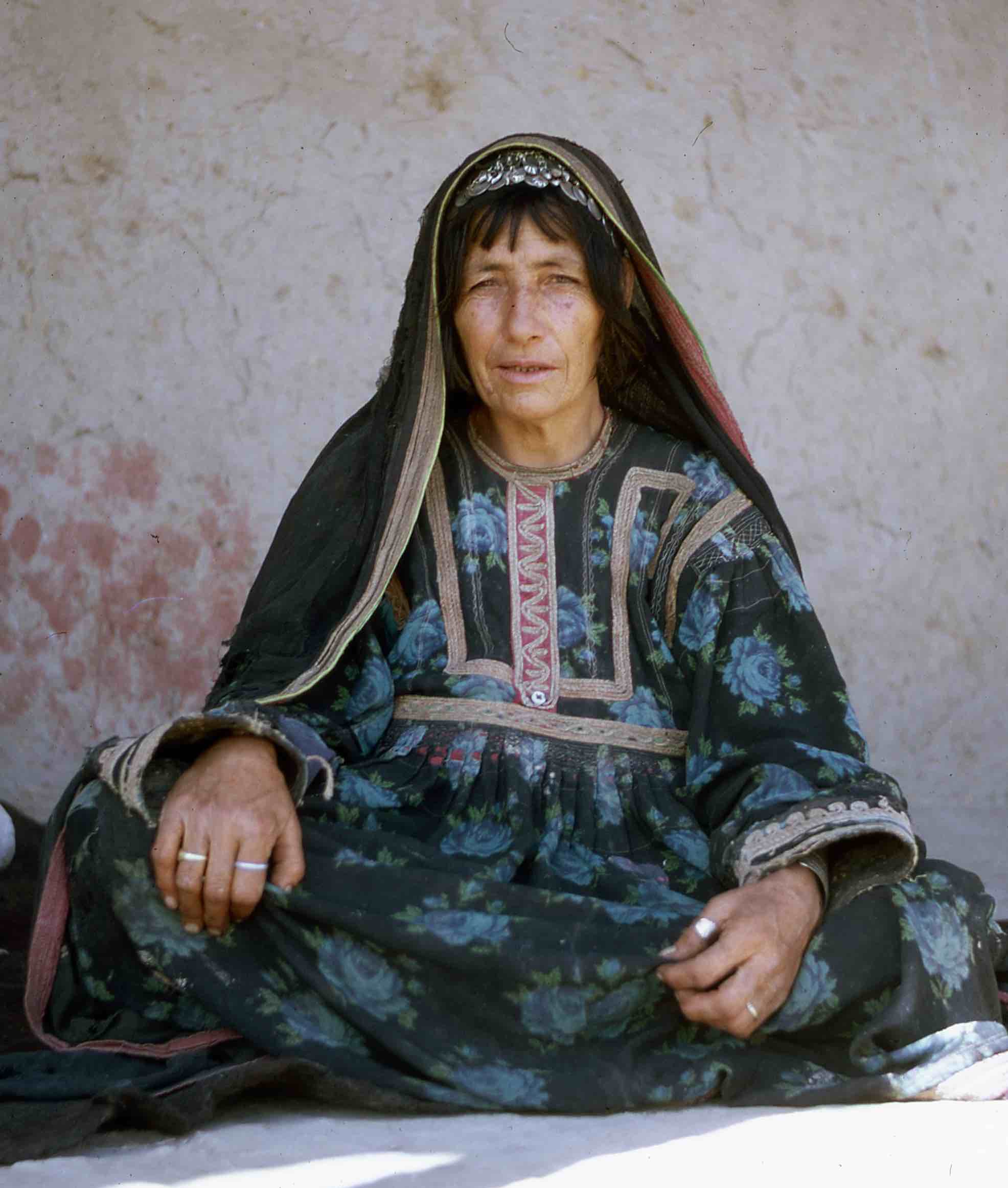
In 1971 and 1972 Richard Tapper and I lived with Afghan villagers for nearly a year. The Piruzai, some 200 families, lived in two small settlements near the town of Sar-e Pol in northern Afghanistan. They were Pashtu-speakers, pastoralists and peasant farmers, poor people, working very hard to survive in a vicious feudal system.
The people, the setting, and even the division of labour between Richard and myself seemed to conform to every stereotype about the Middle East. There were veiled women, men on horseback, camel caravans, stunning scenery and dramatic lives. These were stereotypes shared by the Afghan officials, politicians and urban professionals we met in Kabul. But the people we met were not two dimensional.
They were warm, funny, clear-thinking and tough. They understood we were doing research – anthropology – insanshenasi – and they wanted to help us ‘write a book’. They wanted their words to be heard and written down. Living with the Piruzai was an immense privilege and our obligation to tell the story of the Piruzai is on-going. Continue reading →
[Originally published as a letter/comment in Anthropology Today, March 2020.]
The editorial by Thomas Hylland Eriksen (AT Feb 2020, Vol 36, no 1) is a passionate plea for more anthropological engagement in public debates about global warming. His focus is on knowledge – ‘what we can say’ and storytelling – ‘how can we say it?’ His hope is that anthropologists can find ways to intervene more effectively in political debate. I agree and would add that to do so, we need to be willing to take sides, and draw on our anthropological and historical understanding of resistance, social movements and the mechanics of social change (Armbruster & Laerke 2008; Lindisfarne 2010). And in the case of global warming, there is one utterly compelling way to take Eriksen’s plea for action further.




 Anne Bonny Pirate