The Epstein Files and Class Struggle

Nancy Lindisfarne and Jonathan Neale
One of the great class confrontations of our time is playing out in Washington DC right now – the Epstein files. We know that sounds like a really, really weird thing to say. But look at what’s happening in front of our eyes.

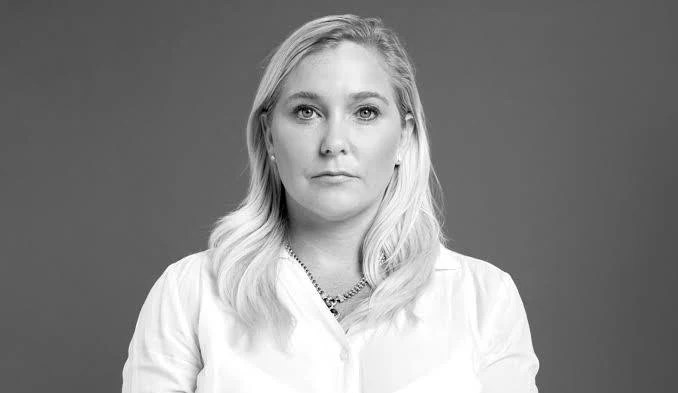
On September 3, 2025, roughly twenty working class women showed up to speak to the press in Washington and demand the release of the Epstein papers. Some were in their thirties, and some were in their early middle age. They were cold – winter was coming. They were survivors of Epstein’s abuse and exploitation. And they were terrified. Most did not speak, but they stood there beside those who spoke.

Julie K. Brown was the journalist hero first broke the Epstein story in the Miami Herald in 2018. Now she tweeted that she was speaking to many survivors, and they were all terrified. The obvious reason was what happened to Epstein. But also, of course, those women had known those powerful men up close and personal, their arrogance, cruelty and ruthlessness. As they took turns leaning into the microphone, shaking in their courage, they knew what they were doing.

On the other side were the legions of rich, powerful and influential men who had used them, and the greater legions of powerful men and women who had concealed and enabled the abuse. On that side stood two presidents of the United States, one former prime minister of Israel, the American architect of the Good Friday agreement in Ireland, rich and powerful lawyers, distinguished Harvard professors, the greatest linguist of his generation, the British ambassador to the United States, Bill Gates and other billionaires.

Those working class women confronted scores of men from the ruling class. That courage was in them because there were many of them, standing together. It was in them because their fight against Epstein had now lasted for years, and they had grown and changed as they stood by each other to rescue themselves.

They also found courage because they stood on the shoulders of giants. The global movement against the sexual violence of the rich and powerful has been growing for forty years. It began with women and men who had survived abuse as children.

Continue reading
Working Class Ecosocialism

Stopping Climate Change and Building Another World

Jonathan Neale

This article is about stopping climate change and about fighting for a world based on love and sharing. My argument is that both these projects have to go together. But for either project to work, both climate activists and socialists have to change, fundamentally and fast. And there has to be a deeper change, a change in all humanity. We may well fail. But with these ideas we have a chance.

Continue reading

Harvard, Sexual Politics, Class and Resistance

A long read by Nancy Lindisfarne and Jonathan Neale

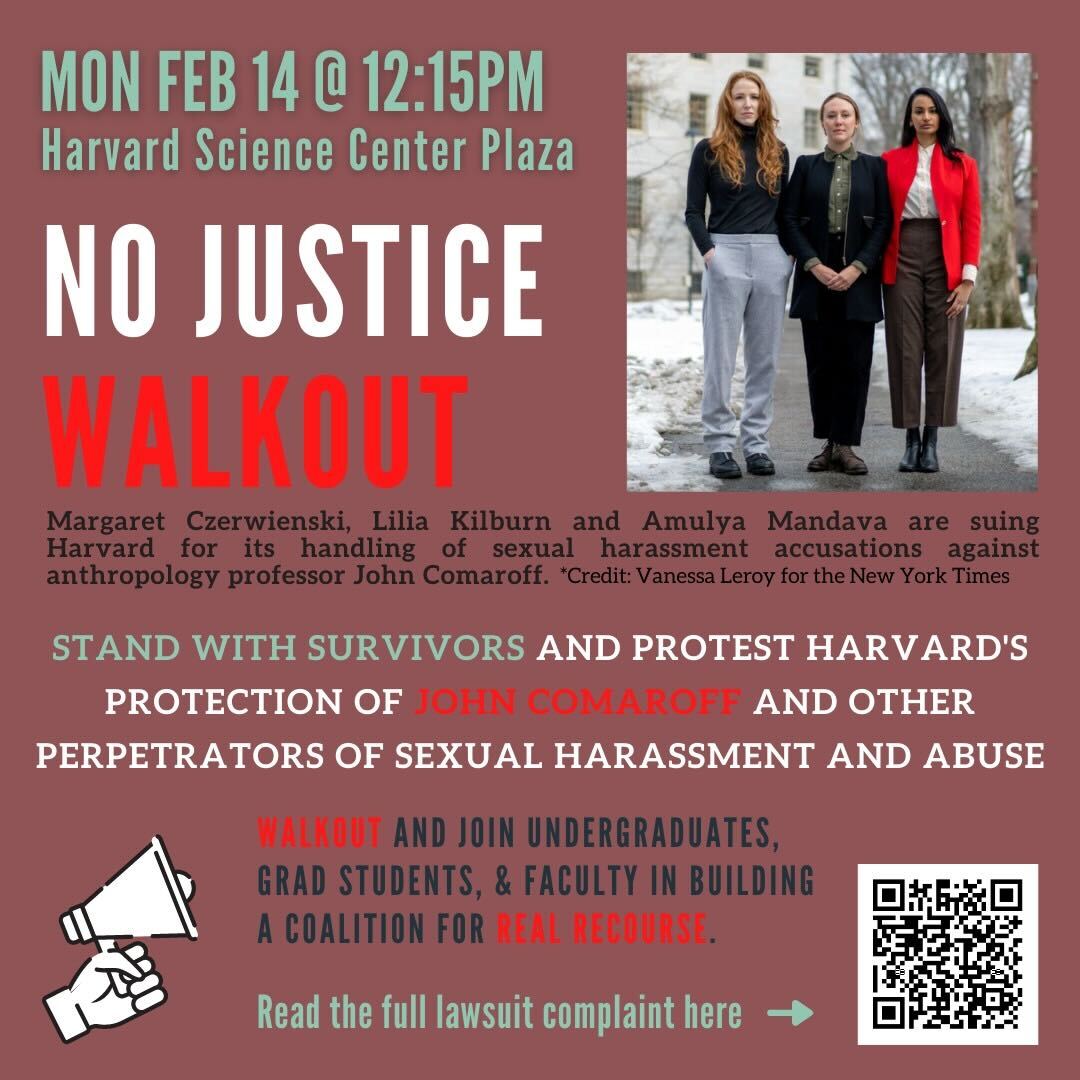
As we write, the case of alleged sexual harassment by John Comaroff, a professor of anthropology at Harvard, is exploding. The Harvard case is particularly egregious, not least because of the elite status of the university.

In this piece we treat the Harvard case as part of a much wider set of problems concerning class, sexual politics, inequality and resistance. Our focus initially is on universities in the United States. But we need to remember that academic enterprise today is utterly international. Everywhere the industry relies on similar economic models, has similar intellectual concerns and fosters the considerable mobility of professionals and students from workplace to workplace around the globe.

We are particularly addressing anthropology and other graduate students in the United States and across the world. Our aim is to try to answer some of the difficult questions that come up again and again in online discussion of the case.

Continue reading

Thinking about Feminism and Islamophobia (2): ‘Traditional’ and ‘Modern’ in Turkey

By Nancy Lindisfarne

Ataturk1

Kemal Atatűrk -Founding Father of the Turkish Republic

There is a lot to be learned when a society is changing rapidly and radically. This blog is an excerpt from Thank God, We’re Secular: Gender, Islam and Turkish Republicanism, published in Turkish in 2001.  This is a piece about Turkish Islamophobia, and about the class divide between Turkish elites and the working class. Continue reading

Thinking about Feminism and Islamophobia (1)

OLYMPUS DIGITAL CAMERA

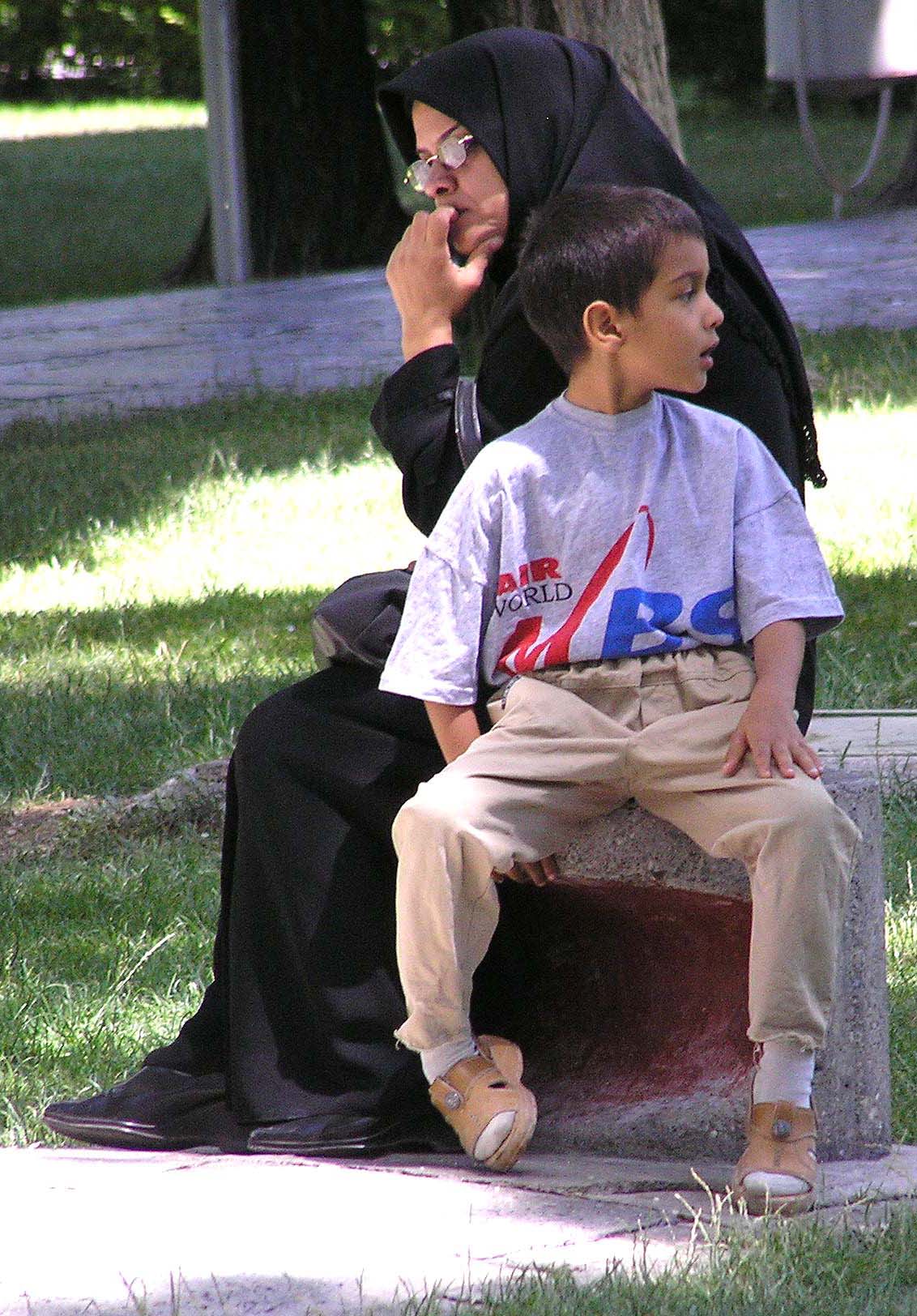
In a park in Isfahan, Iran, 2005.

Nancy Lindisfarne writes: Using labels which fasten on skin colour, ethnicity or religious identity to treat whole groups of people as Blacks, Chinese, Jews or Muslims, is racist. And there is plenty of it around. If we think of Islamophobia – which literally means a fear of Islam – as another form of racism, we get a better measure of what is going on.

Racisms, in whatever version they appear, always serve the people in power. Far too often one hears comments about Muslims which would be immediately recognised as racist if they were said about black or Jewish people. And often these days such comments go unchallenged.

And as the Charlie Hebdo outcry has made clear, many feminists, Marxists and liberals find any accommodation between feminism and Islam well-nigh impossible. This leaves a space easily filled by cultural racism.

In a series of posts we shall aim to disentangle some of the ideas which make Islamophobia seem acceptable to many people who otherwise loath and deplore global inequality and imperialist wars. Our aim is make it easier to speak out against this hatred of Muslims and Islam.

To do this, we use gender as our lens. It is a powerful device for seeing through racisms that can otherwise seem self-evidently correct. Sexist ideas and practices are often places where a dominant ideology does not quite cohere, where slippages, and contradictions, allow us to glimpse of what is actually going on.

We begin this series of posts on Feminism and Islamophobia with a brief note on cultural racism and ‘the veil’. Continue reading