How Neoliberalism Transformed Sex Work in the United States

Nancy Lindisfarne and Jonathan Neale

A 16 minute read.

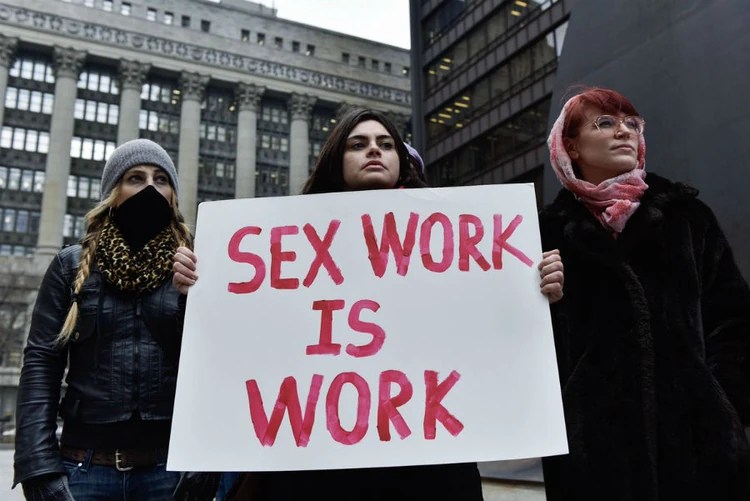
The sociologist Elizabeth Bernstein did fieldwork with sex workers in San Francisco between 1994 and 1998.[1] By her estimate, 20% of sex workers in the city in 1994 worked on the streets. Four years later, 2% of sex workers walked the streets and 98% worked indoors. The city had been ‘cleaned up’. But there were more sex workers, they were often well educated, they made more money, and they were providing an emotionally different kind of sex.   

Continue reading

FREE BOOK: Thank God We’re Secular: Gender, Islam and Turkish Republicanism

NANCY LINDISFARNE with RICHARD TAPPER

Jonathan Writes: This is a treat. It’s the English translation of Thank God We’re Secular: Gender, Islam and Turkish Republicanism, by Nancy Lindisfarne with Richard Tapper. The book was originally published in Turkish by Iletisim in 2001. The book is in two parts. Part One, pages 1-150, has never been published in English before. Here Nancy develops an analysis of republicanism and Islamic practice in Turkey. This is, almost uniquely, an analysis that is historically grounded, fiercely feminist, solidly socialist and deeply sympathetic to the religious lives of ordinary Turks. Pages 151-400 are re-edited versions of previously published articles by Richard and Nancy that grew out of their joint fieldwork in a Turkish town in the late 1970s and early 1980s. Download the translation as a pdf here.

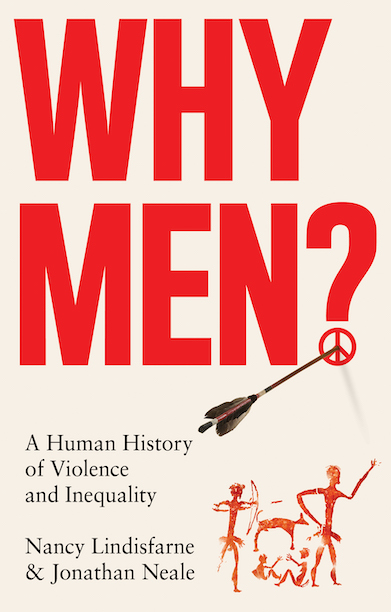
Nancy and Jonathan in Conversation with Miranda Melcher about Why Men?

Miranda Melcher of the New Books Network interviewed us (Nancy Lindisfarne and Jonathan Neale) about our book Why Men? A Human History of Violence and Inequality. Miranda introduced us by saying, “This book is fabulous and fascinating, and asks some really big questions, like why do we have patriarchy and warfare all over the place? And was this inevitable?”

And then the three of us are off. The podcast of the interview is one hour and thirteen minutes long, which gives you a potted version of the whole book. You can listen to it here: https://newbooksnetwork.com/why-men

Afghan Women, Universities, Hunger and Climate Change

Nancy Lindisfarne and Jonathan Neale

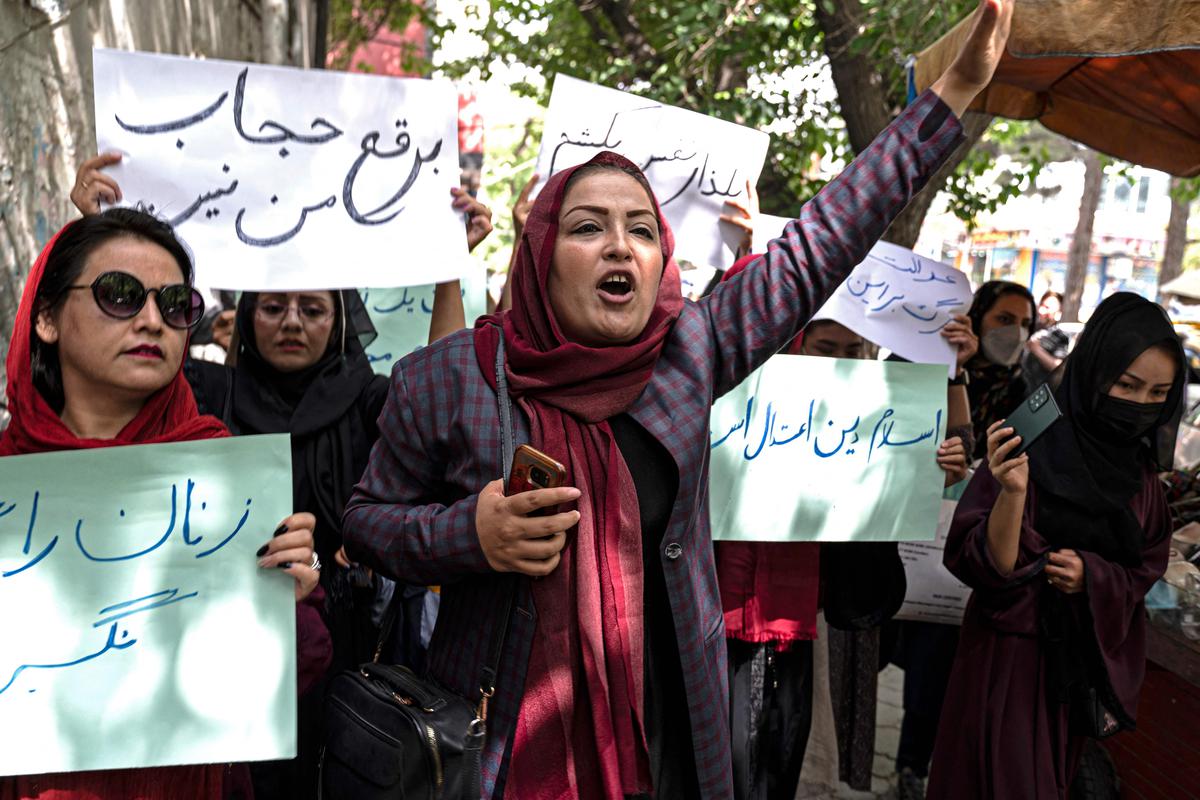
On Dec 19th the Taliban government announced that women would no longer be allowed to attend universities. On Dec 24th they announced that women would no longer be allowed to work for foreign funded NGOs. These are ugly developments. As so often before, both the Taliban and the Western powers are playing with women’s lives for their own political ends. This note explains how and why.

Continue reading

A Poem – On Meeting a Liberal Feminist

Nancy Lindisfarne

Thinking about Afghanistan – Nancy Lindisfarne

In the spring of 2006, I had tea with a woman I knew slightly but thought might become a friend. We sat at a low table in the Senior Common Room at SOAS. The room is attractive, curved at the far end, light and airy. A portrait of the explorer Richard Burton looked down on us.

My new acquaintance was short and dressed in beige in an academic hippy style. She began, without preamble, before we’d properly settled in: ‘I’ve travelled in the Middle East’, she said, and then, with that presumed authority some English women can manage, she let fly the racist crap.

‘I’ve seen what it’s like.’ Unstoppable, wringing her hands, she told me of her concern for Afghan women and began telling stories. Horror stories, every one.

‘Did the women themselves tell you these stories?’ I asked. ‘Well, no, not exactly.’

Continue reading

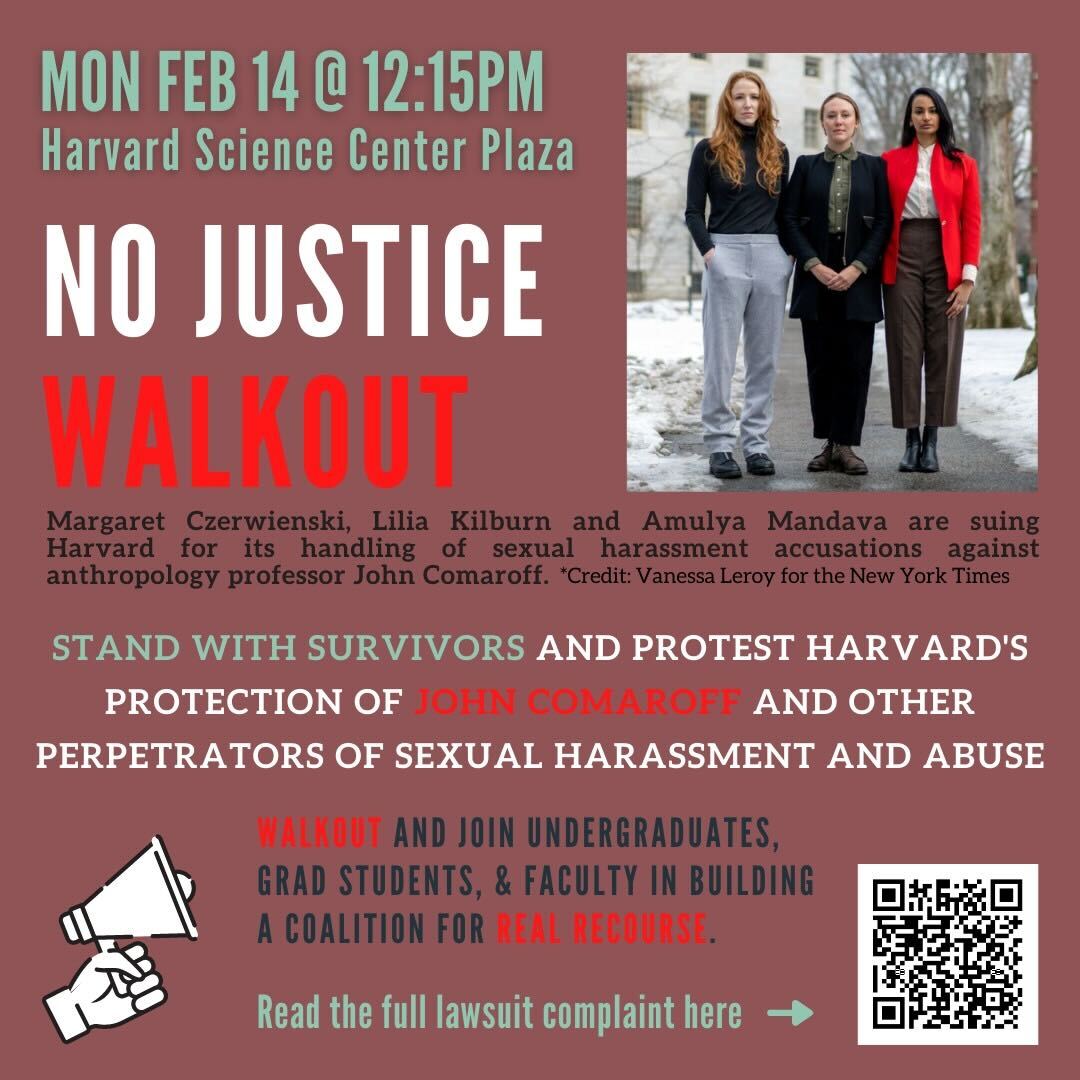
Harvard, Sexual Politics, Class and Resistance

A long read by Nancy Lindisfarne and Jonathan Neale

As we write, the case of alleged sexual harassment by John Comaroff, a professor of anthropology at Harvard, is exploding. The Harvard case is particularly egregious, not least because of the elite status of the university.

In this piece we treat the Harvard case as part of a much wider set of problems concerning class, sexual politics, inequality and resistance. Our focus initially is on universities in the United States. But we need to remember that academic enterprise today is utterly international. Everywhere the industry relies on similar economic models, has similar intellectual concerns and fosters the considerable mobility of professionals and students from workplace to workplace around the globe.

We are particularly addressing anthropology and other graduate students in the United States and across the world. Our aim is to try to answer some of the difficult questions that come up again and again in online discussion of the case.

Continue reading

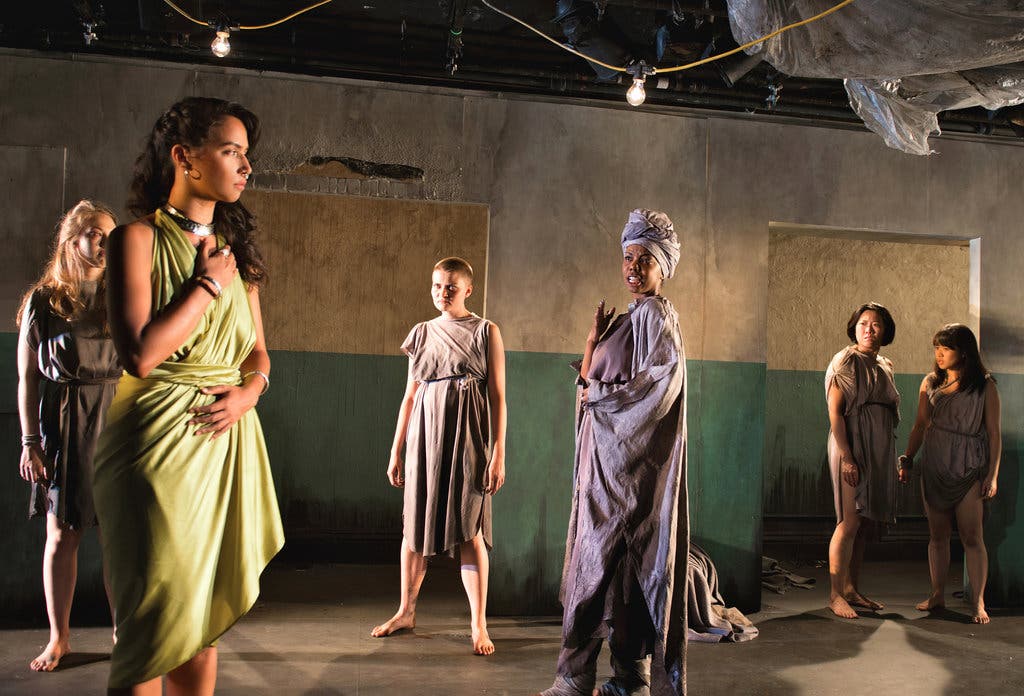
EURIPIDES, WOMEN AND SLAVERY: GENDER TRANSGRESSION IN ANCIENT GREECE

The Trojan Women at the Flea Theatre, New York, in 2016

Jonathan Neale writes: We start with a theatre, and two moments of astonishing gender transgression. One happened in a theatre on a hillside in the center of Athens on a spring day in late March of 431 BCE. The second happened there sixteen years later, in March of 415 BCE. Both took place as the audience watched tragedies by the poet Euripides. These plays were about gendered oppression, sexual pain, rape, slavery and the horrors of war.[1]

Continue reading

Women in Afghanistan / Frauen in Afghanistan / An Interview with Nancy Lindisfarne

Katharina Anetzberger

This interview was first published in the Austrian socialist magazine Linkswende as Frauen in Afghanistan. You can read it in German here.

LINKSWENDE: Since the Taliban regained power in Afghanistan, the situation of Afghan women has come back into focus. How does this situation look like at the moment concretely?

NANCY LINDISFARNE: I think a place to start is that we need to understand what does actually happen with the Taliban and the actual defeat of the US, militarily and politically. So we’ve got a group pf people who have fought a guerrilla war and they have actually taken over a government with the idea of continuing to be not democratic but ruling a state. And they couldn’t have done this without – nobody wins a guerrilla war, certainly not one where the two sides are so disproportionately powerful and weak – without popular support. And that means that people all over the country have decided that the Taliban are a better deal than either the occupation government or the warlords.

Continue reading

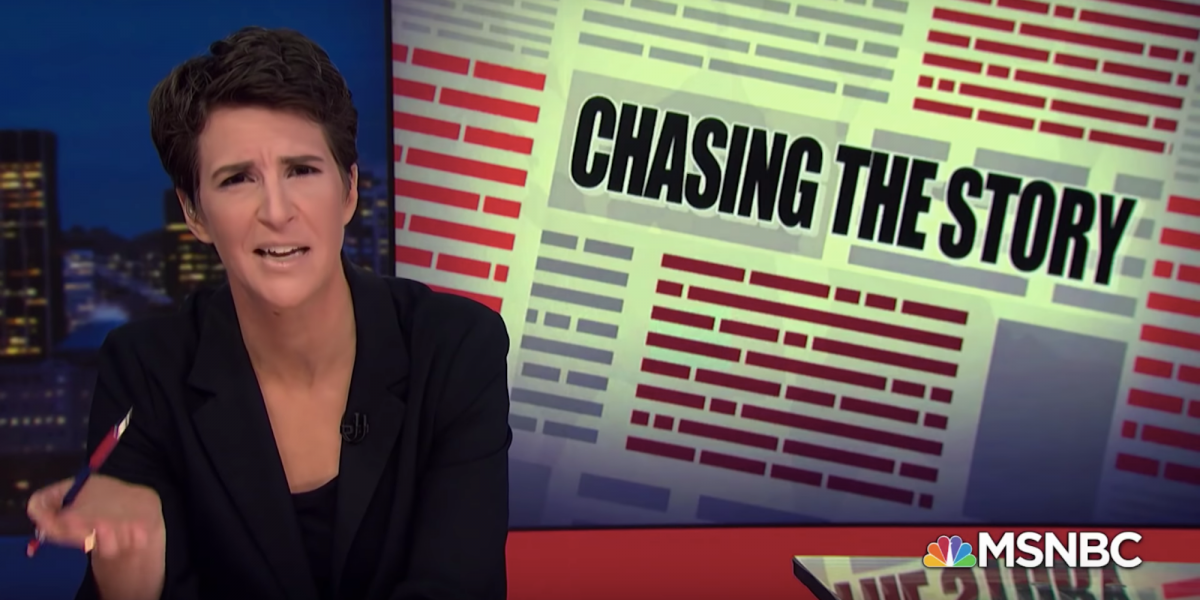
#MeToo and Class Struggle at Work

Rachel Maddow Friday night

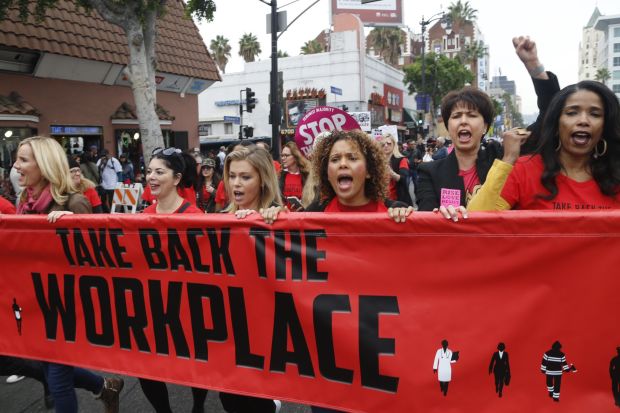
Nancy Lindisfarne and Jonathan Neale write: Yesterday we tuned in to watch Rachel Maddow’s nightly one-hour show on the US cable news network, MSNBC. Something extraordinary happened. Twenty minutes into the show Maddow began to talk about the Harvey Weinstein case. Over the next forty minutes she set forth, in powerful and coherent detail, how her bosses had attempted to protect Weinstein from the exposure of his sexual harassment and rapes on NBC News. Maddow accused her bosses, her bosses’ bosses, and her bosses’ bosses’ bosses, of lying, and of actions that were illegal and immoral. On live TV. Continue reading

The Roots of Sexual Violence

Nancy Lindisfarne and Jonathan Neale  write: Lurking behind any discussion of men and masculinities is a deep presumption that men are aggressive sexual predators disposed to raging violence, while women are passive victims good only for reproduction. If this binary construction is ‘natural’, if it is our DNA as a species, then what is the point of asking ‘Why are men and women unequal?’ ‘Why are lesbians and gays oppressed?’ ‘Why are many men violent?’ ‘Why is sexual violence so common?’

Yet these are old, very important questions. For thousands of years the most forceful answers have come from the people who dominate society. Continue reading

Abortion politics: Lessons from US History, 1980-2018

Nancy Lindisfarne and Jonathan Neale write:  With Brett Kavanaugh’s appointment to the US Supreme Court, the majority of justices are against women’s abortion rights. This is the second of two posts about the “abortion wars” in the United States. In retelling this history we are looking for insights that might help us to fight for abortion rights going forward. Continue reading

Defending Abortion: Lessons from US History 1964-1980

Judith Widdecombe, abortion pioneer in MIssouri

Nancy Lindisfarne and Jonathan Neale

This is the first of two posts looking to the history of abortion rights in America. Both focus on lessons learned that we can use in the fight for abortion rights in the future.  We make two central points in this post. Abortion rights were won by a mass movement, not the Supreme Court. Second, the abortion wars continue because abortion has come to stand for women’s equality,  sexual freedom and desire. Continue reading

Blasey Ford, Kavanaugh and seven useful insights about sexual violence

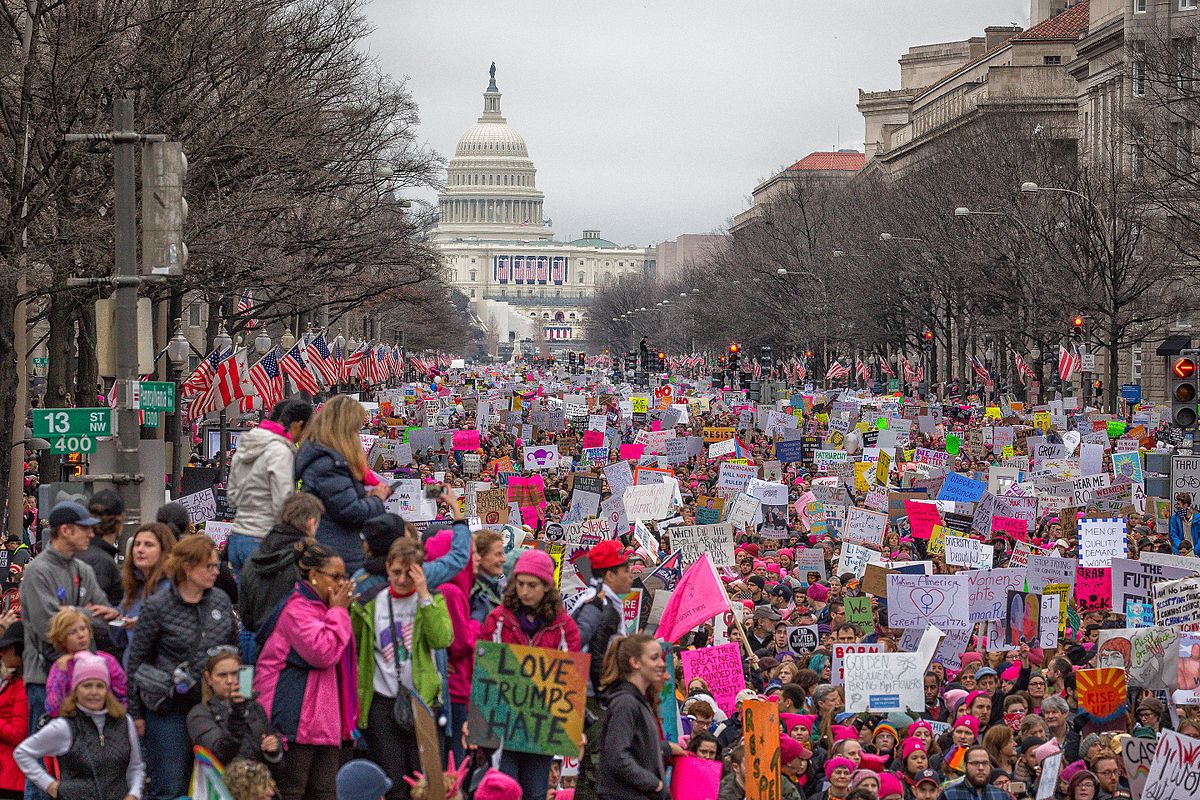
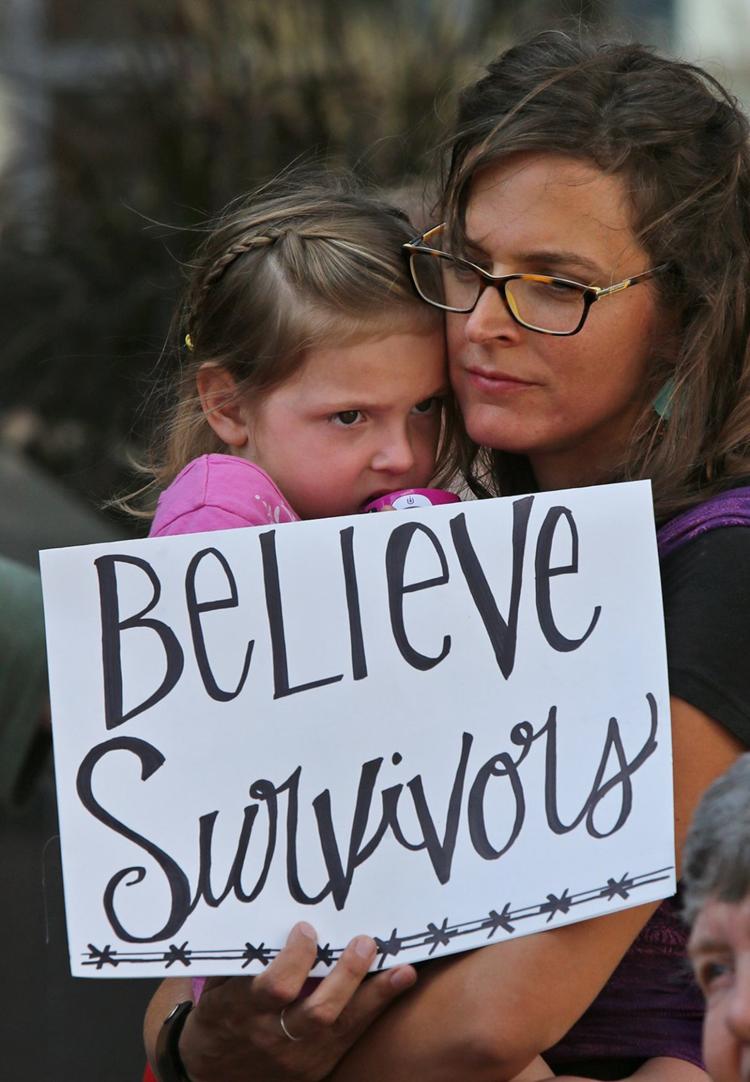
Protest in St Louis, 2 October 2018

Nancy Lindisfarne and Jonathan Neale write: Last Thursday, Christine Blasey Ford testified before the judiciary committee of the US Senate. She said that Brett Kavanaugh, the nominee for the Supreme Court, had attempted to rape her when she was 15. He denied it. She told the truth and he was lying. Everyone in the room knew this, including all eleven Republican senators.

What happened next was something else. The Republican senators rallied to defend the right to rape. Sure, class also mattered, and abortion, and Trump, and the midterm elections. But centrally, they did not want Kavanaugh to pay a price for his sexual violence. An extraordinary moment of #metoo resistance had provoked that Republican backlash, and they closed ranks fast and hard.

When a system is working smoothly the mechanics of power are hidden. But when there is a breakdown, a ‘breach case’, we sometimes have an opportunity to see how the system works. And the links and deep loyalties that keep inequality in place become visible. The hearing has offered such an opportunity. It gives us a chance to formulate seven useful ideas about sexual violence. Continue reading

Michael Kimmel, #MeTooSociology and Feminist Betrayal of Sex Workers in Academia

Juniper Fitzgerald writes: I’ve made an entire alter ego out of the things people hate most about women: bodily autonomy and self-determination in the form of sex work and body modifications, among other things. The recent allegations against prominent sociologist Michael Kimmel, a man known for his scholarship on masculinity and masculine entitlement, unveil the things people love most about women—complicity in the form of apologetics and silence, among other things.

As a former sex worker and sociologist, the allegations against Kimmel sent me spiraling in ways I did not anticipate, and not just because I have repeatedly experienced sexual harassment in my academic career. I am particularly revolted by the allegations against Kimmel because I disavowed my hard-earned sex worker gut feeling in order to elevate his career. Continue reading

Are Syrian Men Vulnerable Too? Gendering the Syria Refugee Response

syrian-family-in-jordan

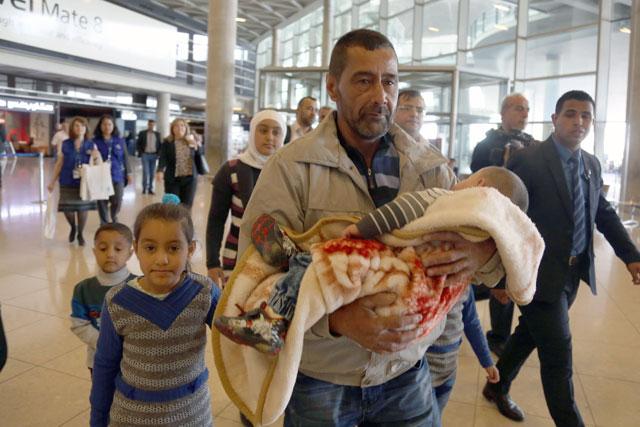
Syrian refugees in Jordan, 2016

Lewis Turner writes about Syrian refugees in Jordan, He argues that ‘a person is not vulnerable because they are a man or a woman, but because of what being a man or a woman means in particular situations. A refugee response that automatically assumes that women and children are the most vulnerable will do a disservice to the community it seeks to serve. Continue reading

Sing-Along Gender Theory: Sometimes it Takes Balls to be a Woman

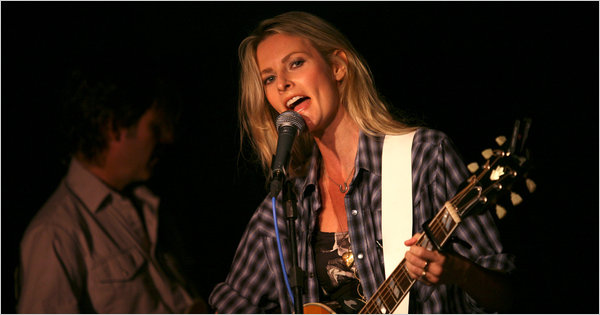
Elizabeth Cook

Elizabeth Cook

Nancy Lindisfarne and Jonathan Neale write: There are three keys to thinking critically and clearly about class and gender. The first is to avoid thinking that there are essential ‘men’ and ‘women’. The second is to understand gender as relational – between men and women, but also between dominant and subordinate men, and between dominant and subordinate women. The third key is to remember that we are not actually unique, bounded individuals. Rather, we are social animals who are fashioned and exist only through exchange and social interaction.

These ideas are familiar to us in our everyday lives. However, it is easy to forget these ideas when ideologies of gender overwhelm us. The point of this Sing-Along is to make it easier to hang onto these ideas when gendering gets rough. Continue reading

Thinking about Feminism and Islamophobia (1)

OLYMPUS DIGITAL CAMERA

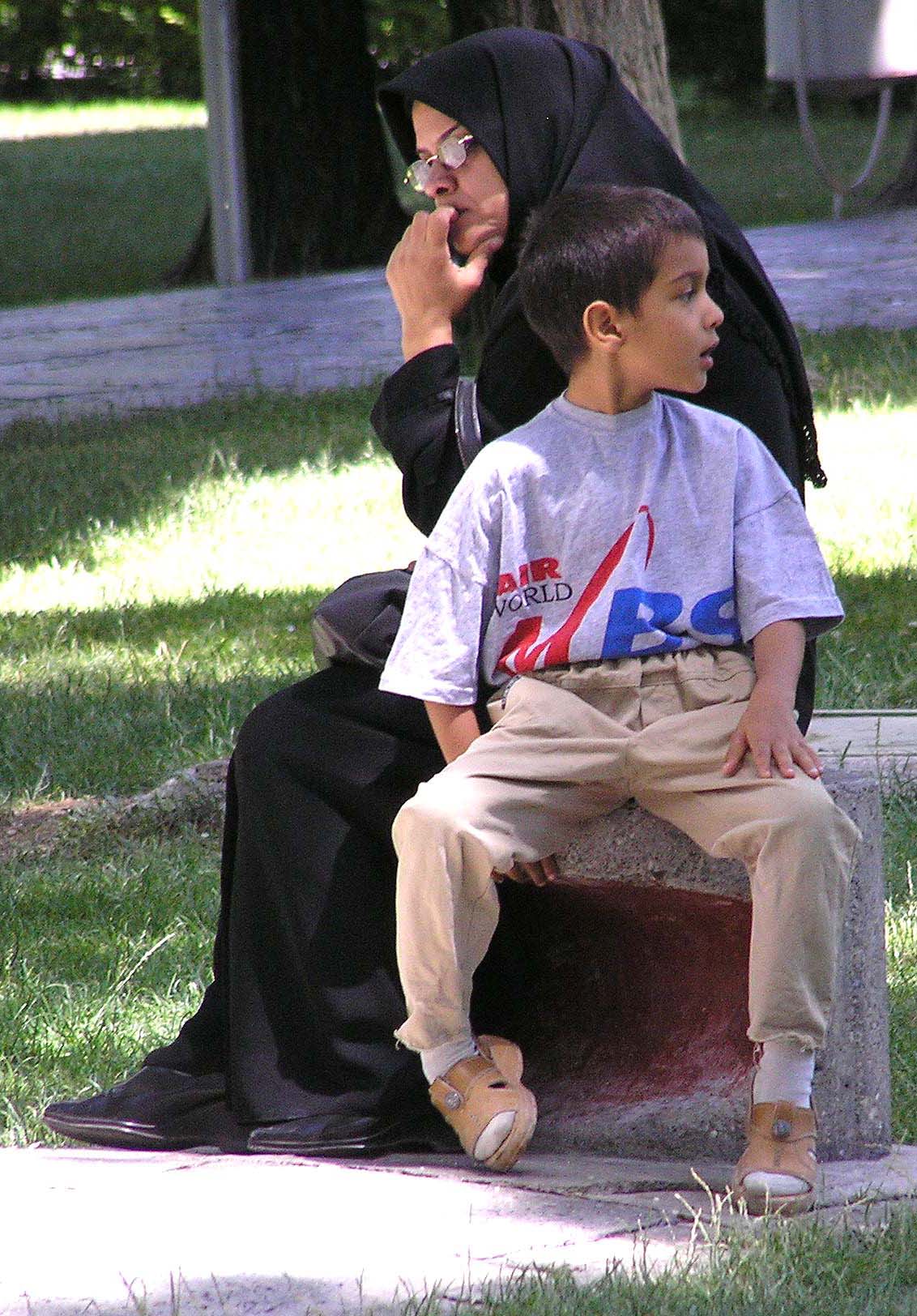
In a park in Isfahan, Iran, 2005.

Nancy Lindisfarne writes: Using labels which fasten on skin colour, ethnicity or religious identity to treat whole groups of people as Blacks, Chinese, Jews or Muslims, is racist. And there is plenty of it around. If we think of Islamophobia – which literally means a fear of Islam – as another form of racism, we get a better measure of what is going on.

Racisms, in whatever version they appear, always serve the people in power. Far too often one hears comments about Muslims which would be immediately recognised as racist if they were said about black or Jewish people. And often these days such comments go unchallenged.

And as the Charlie Hebdo outcry has made clear, many feminists, Marxists and liberals find any accommodation between feminism and Islam well-nigh impossible. This leaves a space easily filled by cultural racism.

In a series of posts we shall aim to disentangle some of the ideas which make Islamophobia seem acceptable to many people who otherwise loath and deplore global inequality and imperialist wars. Our aim is make it easier to speak out against this hatred of Muslims and Islam.

To do this, we use gender as our lens. It is a powerful device for seeing through racisms that can otherwise seem self-evidently correct. Sexist ideas and practices are often places where a dominant ideology does not quite cohere, where slippages, and contradictions, allow us to glimpse of what is actually going on.

We begin this series of posts on Feminism and Islamophobia with a brief note on cultural racism and ‘the veil’. Continue reading