The Piruzai of Afghanistan – A Visual Ethnography

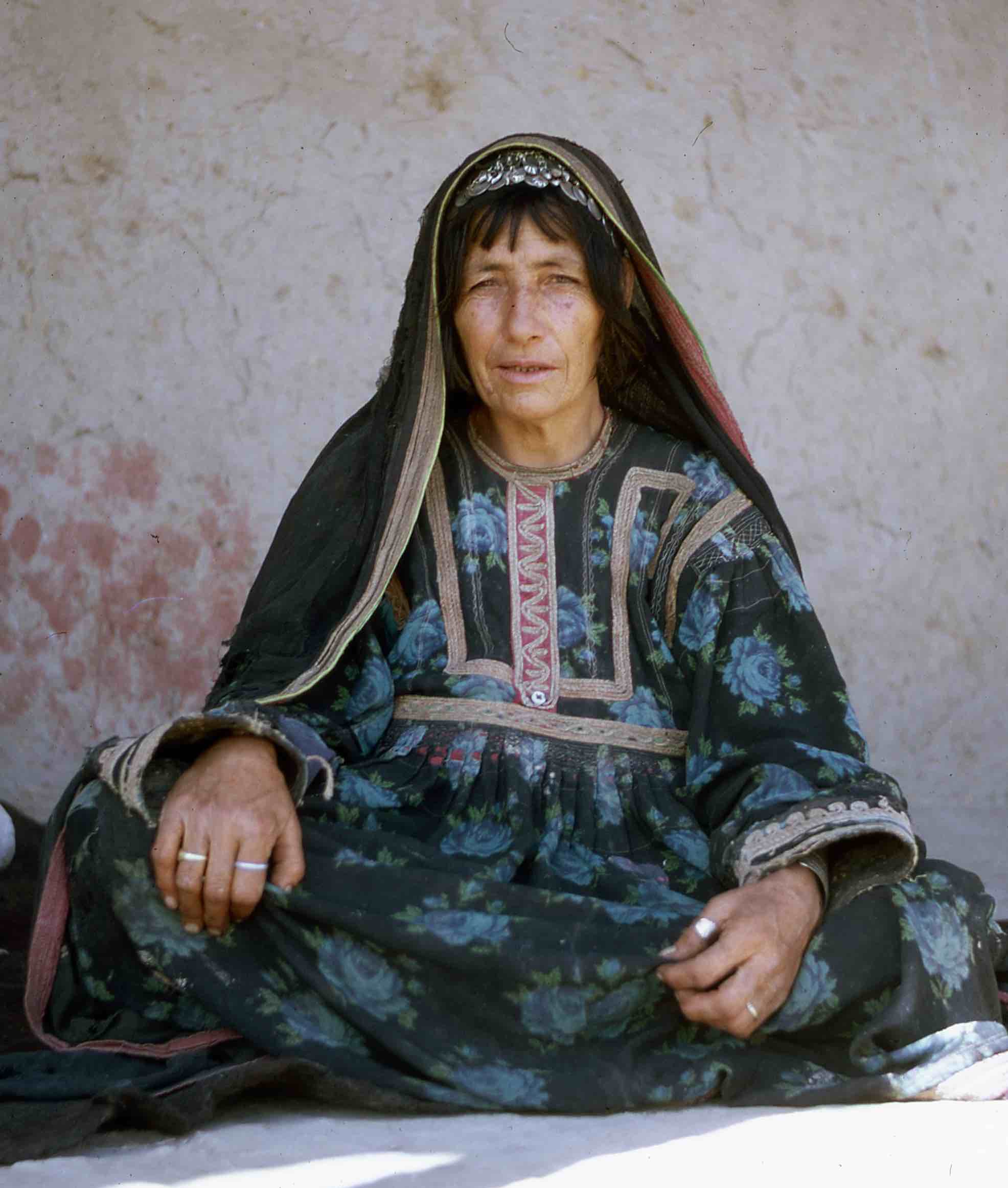
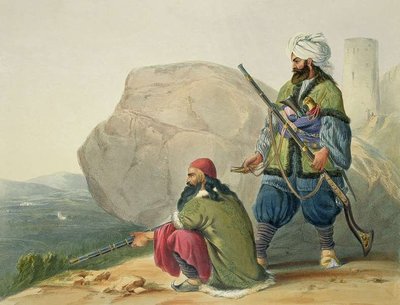
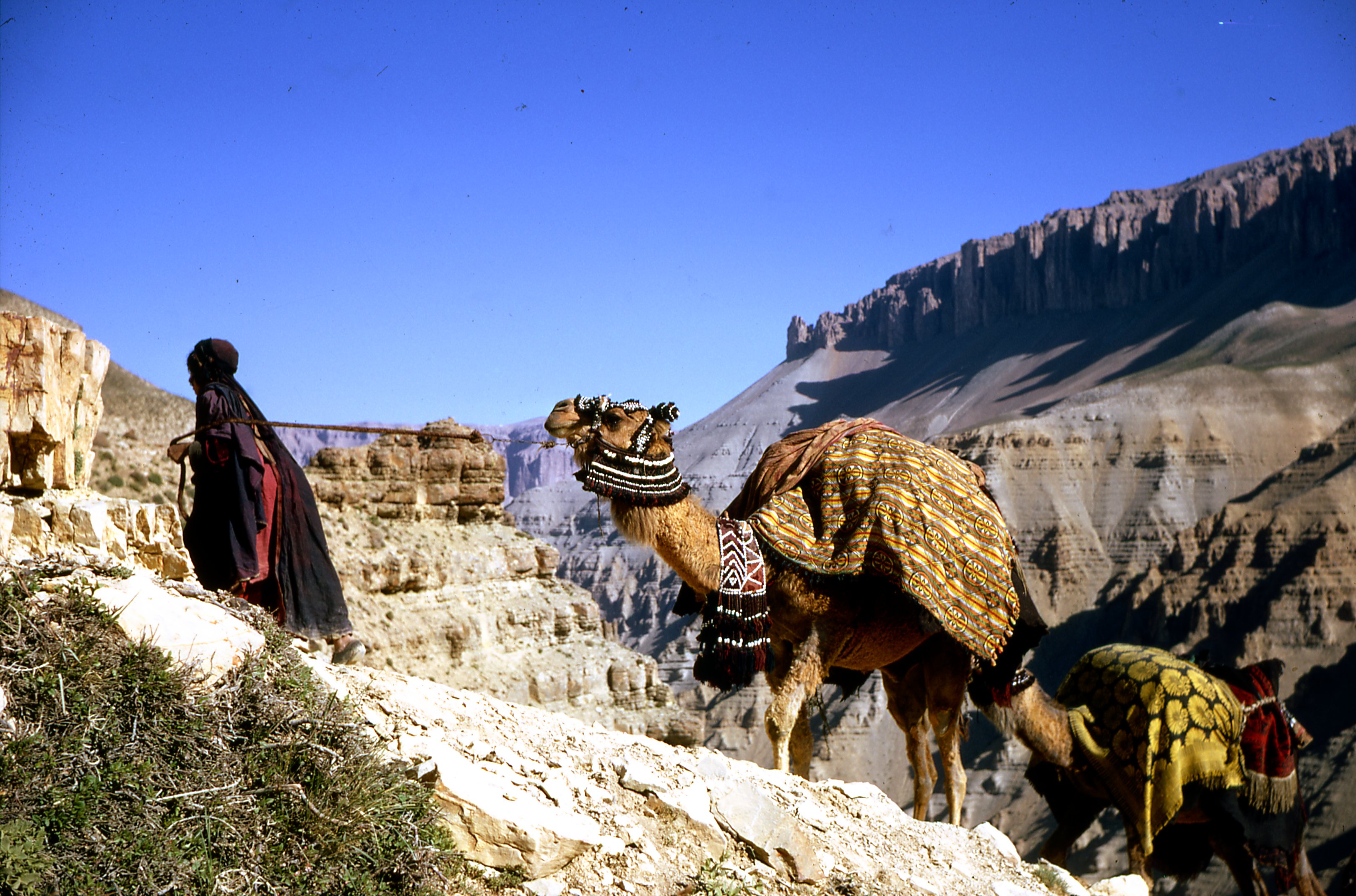
Nancy Lindisfarne writes: In the early 1970s, Richrd Tapper and I spent a year doing anthropological fieldwork with the Piruzai, pastoralists and farmers in northern Afghanistan. Our new book, The Piruzai of Afghanistan – A Visual Ethnography, tells their story in some 380 photographs, mostly in colour.

Since the time of our fieldwork, Afghanistan has been engulfed in nearly fifty years of war. During these tragic years, the Piruzai fled from the north of Afghanistan to refugee camps in Pakistan. They then returned to the Helmand in southern Afghanistan where some of them and their descendants have been major actors in more recent events.

All too often, Afghans have been stereotyped for other people’s purposes. In a world so altered, we have looked for ways to give something back to the people who welcomed us into their lives. Richard’s recent book Afghan Village Voices (Tapper & Lindisfarne-Tapper 2020) is a remarkable compilation of stories drawn from 100 hours of tape recordings in which the Piruzai speak for themselves. This visual ethnography is a companion volume to Afghan Village Voices and a further record of the lives of admirable people in an easier time.

The Piruzai of Afghanistan – A Visual Ethnography is published in association with The White Horse Press. If you want to order the book, details are at the end of this post.
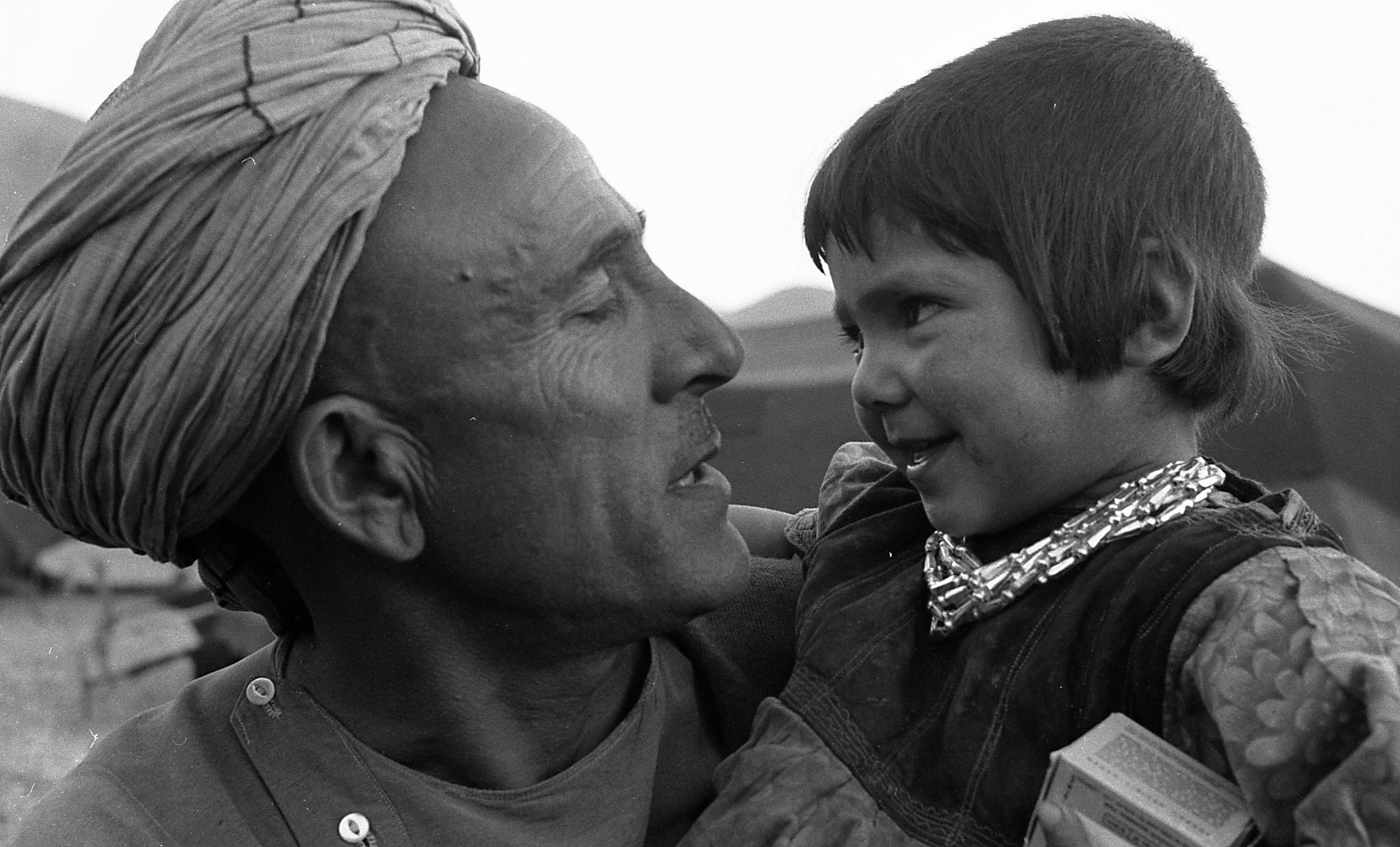
We were welcomed by Haji Tuman, the headman of one of the Piruzai villages, and joined him and his family in the spring pastures. Doing ethnographic fieldwork requires a lot of give and take, and it only works when it works. But when it does, it is a joy and an extraordinary privilege.

We loved watching Haji Tuman with his youngest daughter, Maygol. They were crazy about each other. .
The Piruzai kept two breeds of sheep, Karakuli and Arabi. Karakuli lambskins (known to furriers as Persian Lamb or Astrakhan) were the main source of cash income from pastoralism. The fat-tailed Arabi sheep were kept for milk, meat and wool.

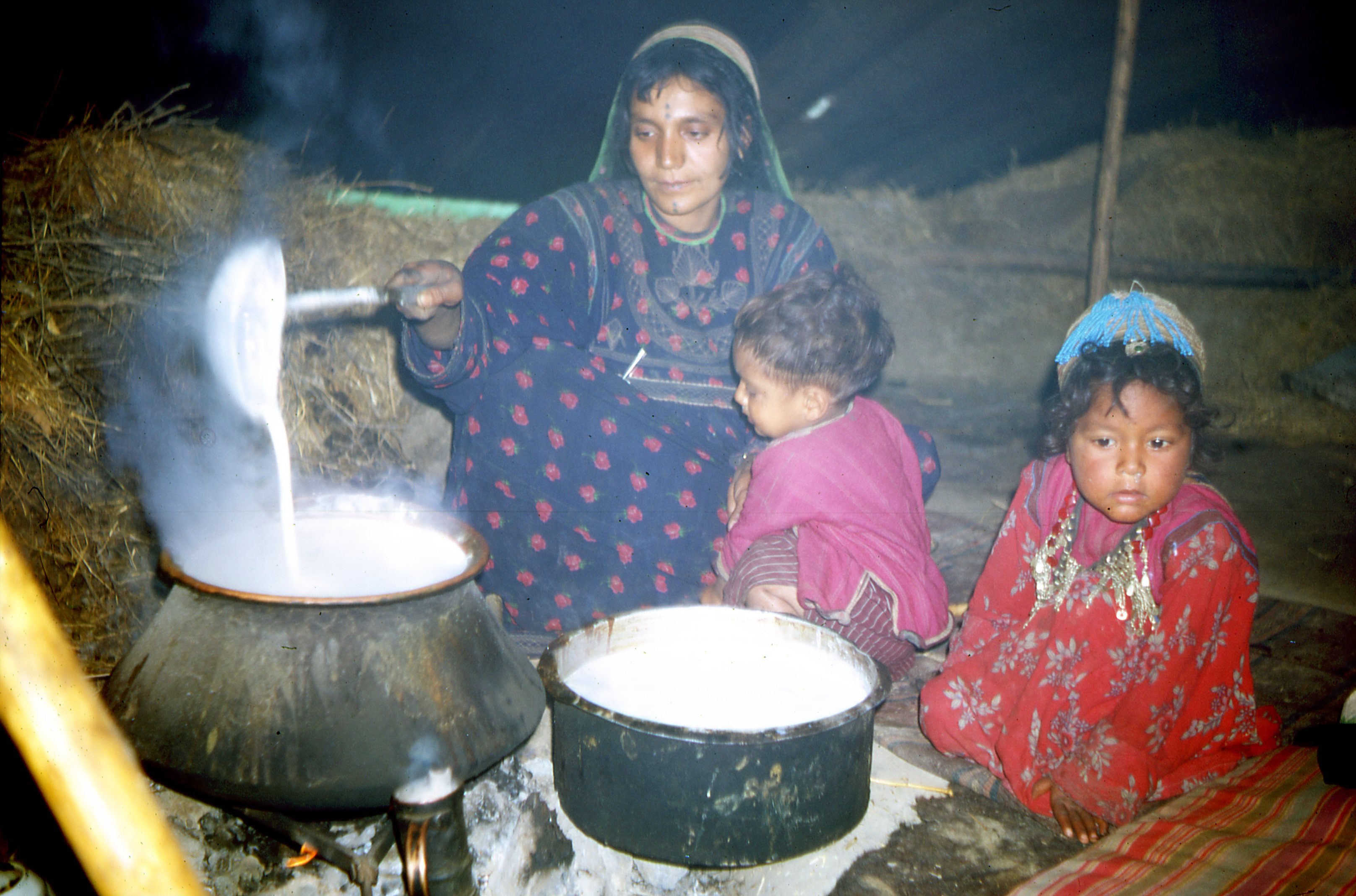
My friend Badam managed her tent household while her husband, Khani-Agha, was away on military service. I spent many whole days with her and her three little children, Taj-Mahmad, Shiri and Lal-Mahmad. Here Badam is boiling up whey to form whey balls, krut, a prized foodstuff made into soup and stews in winter.
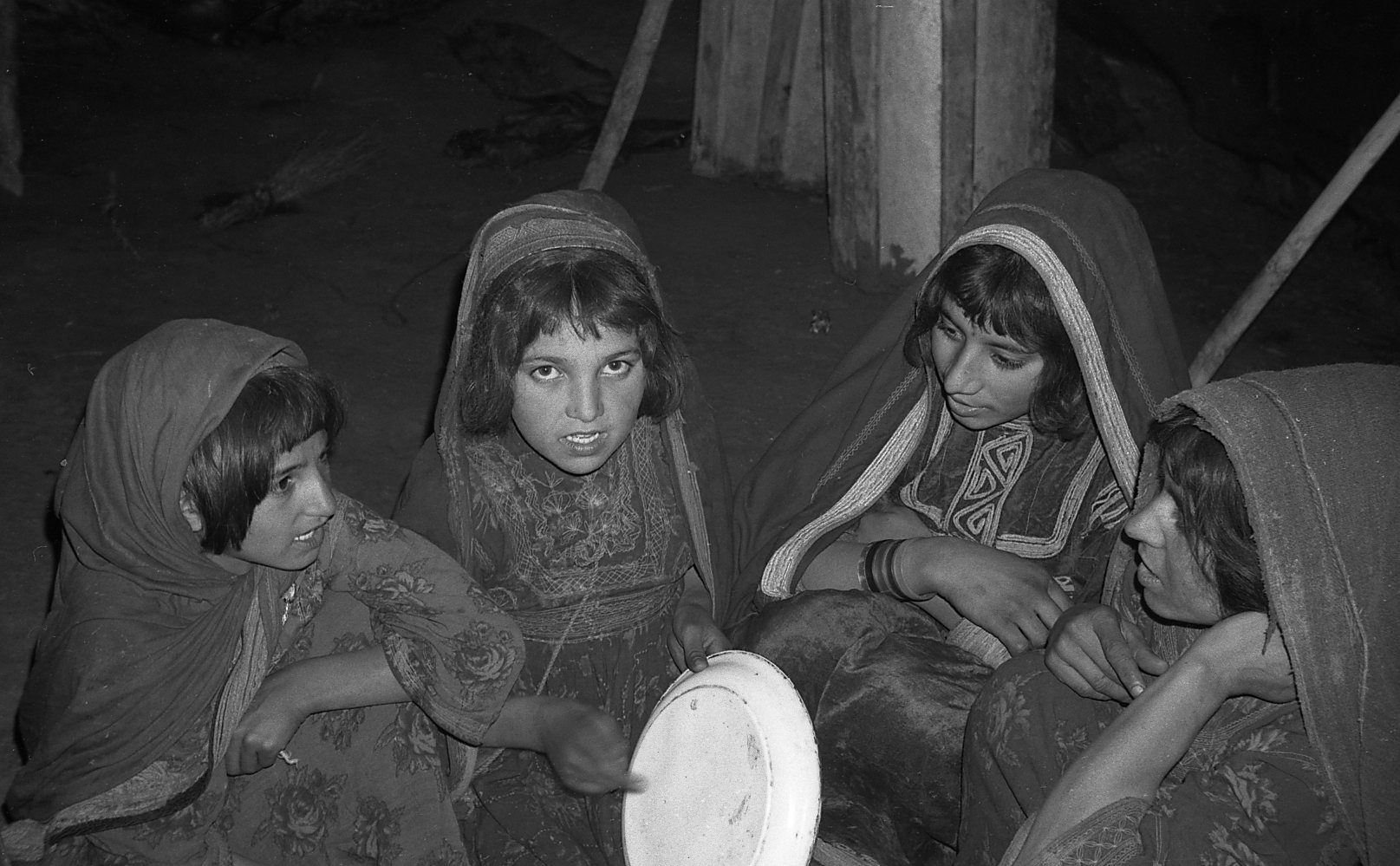
 Spring was also a wedding season. In our camp Magar was due to leave home and join her husband, Jomadar, a second cousin and neighbour in the village. They were madly in love, and the celebrations were lavish. Small groups of girls and women close to the couple came together to sing and dance whenever they had a moment, day and night.

Continue reading
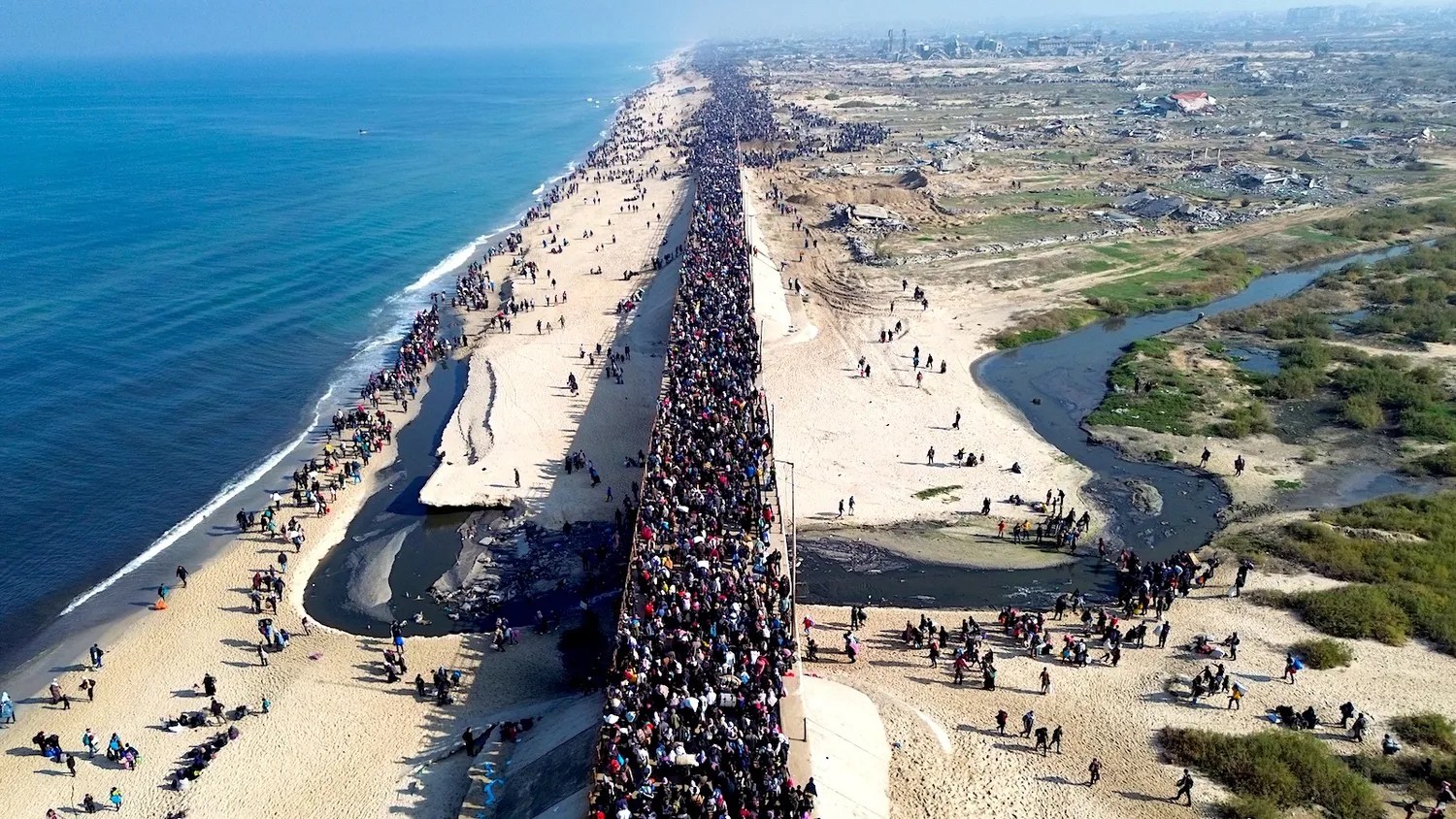
The Destruction of Gaza is Creating a New Normal to Shame and Frighten Us All

Nancy Lindisfarne and Jonathan Neale write:

We have been watching the suffering on our phones and screens for almost two years. Now famine is here. Far from the horror, it seems obscene and unbearably self-indulgent to say that Gaza is upsetting. But certainly, many of the rich and powerful of this world seem to want us to feel that way. And perhaps the for them the real point of our distress is to make us feel helpless and fearful.

For many Israelis the point of this vast theatre of cruelty is the extermination, genocide, torture and breaking of the Palestinians. But for the powerful of the world, what matters most is the example and the creation of a new normal. They are showing all the rest of us what can be done to those of us who, even by our very presence, resist. And they think that in future they will have need of this example.

None of the cruelty is new. But easy availability of the images on our phones is new. And the direction global politics is taking is also new.

We are writing this in Massachusetts, sitting at a window looking out over a river in the dawn, safe and warm, two miles from the town of Mashpee. In 1665 the white English settlers of Massachusetts, the pilgrim fathers, went to war with the native people, the Wampanoag. They destroyed every Wampanoag community but the two bands who had converted to Christianity. Mashpee was one of those two communities, and the natives here survive, and are now proud and organized.

There is an account of the burning of a native fortress where people of the Narragansett tribe had offered refuge to fleeing Wampanoag. The white settlers set fire to the wooden fortifications and killed the people one by one as they ran from the flames. The settlers who survived remembered how they had to pray together at the top of their voices to drown out the screams of the burning natives.

Cruelty, conquest, racist wars and genocide are not new. These are old stories. We know people are saying Gaza is not a war, it’s just a one-sided massacre. But many colonial wars have been mostly one-sided massacres.

Children also died in the Nazi holocaust. Children died when the US Air Force created the firestorm over Tokyo and dropped atomic bombs on Hiroshima and Nagasaki.

But the photos and videos we see on our phones are new.

Phones are everywhere now. In Afghanistan they say that the 5G coverage is so good that every shepherd in the mountains has a phone. Of course, they are exaggerating a bit, and many people in many countries try hard not to look at the horrors happening in real time. But in another sense, the whole world is watching Gaza now.

And one thing people in Gaza have been saying over and over is that the people of the world have deserted them.

TWO: WHO’S RESPONSIBLE?

Continue reading

FREE BOOK: Thank God We’re Secular: Gender, Islam and Turkish Republicanism

NANCY LINDISFARNE with RICHARD TAPPER

Jonathan Writes: This is a treat. It’s the English translation of Thank God We’re Secular: Gender, Islam and Turkish Republicanism, by Nancy Lindisfarne with Richard Tapper. The book was originally published in Turkish by Iletisim in 2001. The book is in two parts. Part One, pages 1-150, has never been published in English before. Here Nancy develops an analysis of republicanism and Islamic practice in Turkey. This is, almost uniquely, an analysis that is historically grounded, fiercely feminist, solidly socialist and deeply sympathetic to the religious lives of ordinary Turks. Pages 151-400 are re-edited versions of previously published articles by Richard and Nancy that grew out of their joint fieldwork in a Turkish town in the late 1970s and early 1980s. Download the translation as a pdf here.

Nothing Began in October – Humanitarianism, the Election of Hamas and the Israeli Lockdown in 2006

Gaza in 2021

TAKIS GEROS writes: From January 2006 to January 2007, I worked for a Greek NGO which provided aid to the health sector in the Palestinian territories. The following paper was delivered to an international conference at Panteion University in Athens in November 2008. The continuities between 2006 and Biden’s “humanitarian airdrops” today are important, sobering and have a series of serious implications for the Gazan survivors in the future.

Continue reading
The Meaning of Ceasefire: Gaza, Genocide, Resistance and Climate Change

Nancy Lindisfarne and Jonathan Neale write: Sooner or later, there will be a ceasefire in Gaza. When it comes, it will be a defeat for Israel. After all, the main goal of Gazans, Palestinians and the global solidarity movement has been a ceasefire. And the ceasefire will come about because of solidarity, resistance and a global mass movement from below.

Continue reading
Palestine and Climate Change: Greta stands with Gaza

Nancy Lindisfarne and Jonathan Neale write: Last week Greta Thunberg posted the picture above on her Twitter (X) account. Many people in the press criticized her because they themselves supported the Israeli bombing and opposed a ceasefire. Some of those people called her, ludicrously, antisemitic. There was also criticism from some climate activists in Germany, Austria and Israel. Beyond that, there was little open criticism from the climate movement, and much support on social media. This is a historic moment for the global climate movement. This article explains why.

Continue reading
Afghan Women, Universities, Hunger and Climate Change

Nancy Lindisfarne and Jonathan Neale

On Dec 19th the Taliban government announced that women would no longer be allowed to attend universities. On Dec 24th they announced that women would no longer be allowed to work for foreign funded NGOs. These are ugly developments. As so often before, both the Taliban and the Western powers are playing with women’s lives for their own political ends. This note explains how and why.

Continue reading

A Poem – On Meeting a Liberal Feminist

Nancy Lindisfarne

Thinking about Afghanistan – Nancy Lindisfarne

In the spring of 2006, I had tea with a woman I knew slightly but thought might become a friend. We sat at a low table in the Senior Common Room at SOAS. The room is attractive, curved at the far end, light and airy. A portrait of the explorer Richard Burton looked down on us.

My new acquaintance was short and dressed in beige in an academic hippy style. She began, without preamble, before we’d properly settled in: ‘I’ve travelled in the Middle East’, she said, and then, with that presumed authority some English women can manage, she let fly the racist crap.

‘I’ve seen what it’s like.’ Unstoppable, wringing her hands, she told me of her concern for Afghan women and began telling stories. Horror stories, every one.

‘Did the women themselves tell you these stories?’ I asked. ‘Well, no, not exactly.’

Continue reading

Fresh Apricots – A Syrian Prison Story

Jebel Druze – Landscape by Nancy Lindisfarne

Nancy Lindisfarne writes: Here we are reposting a short story I originally published in Arabic in 1997. I did anthropological fieldwork in Damascus in the late 1980s, and from day one I saw the tyranny of the regime.  But I knew the whole time I was in Syria, and then again when I tried out the stories on friends in Damascus, that for their sake, I could only hint at the fear everyone felt.  As you can see here, the most politically explicit of my Syrian stories, ‘Fresh Apricots’, is little more than a bare whisper about a taxi driver picking up a fare on Sednaya Road in Damascus. In 1997, Mamdouh Adwan, the Syrian poet and playwright, translated into Arabic a collection of short stories I had written after my year of fieldwork. Al Raqs fi Dimasq was published in Syria before an English version, Dancing in Damascus, came out in 2000. But though a bare whisper, I also knew Syrian readers absolutely understood what I was trying to say.

Continue reading

My First Day in Camp with the Piruzai – Afghanistan, 1971

Nancy Lindisfarne-Tapper

My friend Maryam

In 1971 and 1972 Richard Tapper and I lived with Afghan villagers for nearly a year. The Piruzai, some 200 families, lived in two small settlements near the town of Sar-e Pol in northern Afghanistan. They were Pashtu-speakers, pastoralists and peasant farmers, poor people, working very hard to survive in a vicious feudal system.

The people, the setting, and even the division of labour between Richard and myself seemed to conform to every stereotype about the Middle East. There were veiled women, men on horseback, camel caravans, stunning scenery and dramatic lives. These were stereotypes shared by the Afghan officials, politicians and urban professionals we met in Kabul. But the people we met were not two dimensional.

They were warm, funny, clear-thinking and tough. They understood we were doing research – anthropology – insanshenasi – and they wanted to help us ‘write a book’. They wanted their words to be heard and written down. Living with the Piruzai was an immense privilege and our obligation to tell the story of the Piruzai is on-going. Continue reading

Fresh Apricots – A Prison Story

another-prison-image

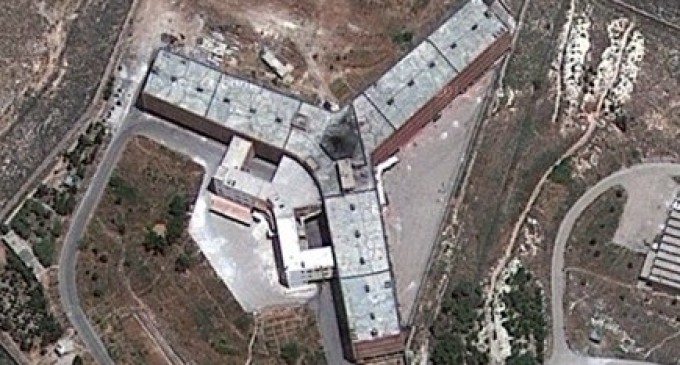
Saydnaya prison, Damascus, Syria

Nancy Lindisfarne writes: For forty-six years the Assad regime has ruled Syria with murderous brutality. A measure of this brutality was the quelling of a popular uprising against the regime in the city of Hama in 1982. Assad (the father) bombed and killed some 20,000 Syrian citizens. Or perhaps 40,000 – the violence was so comprehensive and effective that it has never been possible to establish exactly how many perished. The massacre in Hama and the violence of the Assads’ secret prisons served to terrify the population and kept people quiescent. Until 2011. Continue reading

Are Syrian Men Vulnerable Too? Gendering the Syria Refugee Response

syrian-family-in-jordan

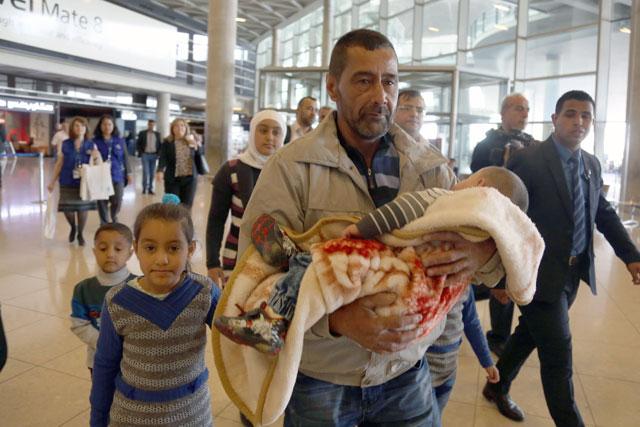
Syrian refugees in Jordan, 2016

Lewis Turner writes about Syrian refugees in Jordan, He argues that ‘a person is not vulnerable because they are a man or a woman, but because of what being a man or a woman means in particular situations. A refugee response that automatically assumes that women and children are the most vulnerable will do a disservice to the community it seeks to serve. Continue reading

Don’t Bomb Mosul: The Reasons Why

american-bombers-ramadi-october-2015

American planes bombing Ramadi in October, 2015

Nancy Lindisfarne and Jonathan Neale

An assault on the Iraqi city of Mosul by the United States, Iran, the Iraqi government, Kurdish forces and Shiah militias looks imminent. We can expect massive bloodshed and the destruction of most of the city.

Mosul is now held by ISIS. Different estimates suggest that between 600,000 and 1,500,000 people are still in the city. In the last year Iraqi and Iranian forces backed by the US bombs have retaken the cities of Ramadi and Fallujah from ISIS. In both cases, the whole city was flattened by American bombs, and almost all the people became refugees. Those two cities remain destroyed, and almost empty.

Because ISIS holds Mosul, every reactionary power in the world will welcome the bombing. On present form, almost the whole of the European and North American left will do nothing to protest the bombing, and many leftists will support the assault.

The position of most of the left makes us sick at heart. Do Muslim deaths not matter? Continue reading

Rida Hus-Hus – Holding onto beauty under the Assad regime


Lindisfarne0215 (3)

Rida Hus-Hus 1939-2016

Nancy Lindisfarne writes:

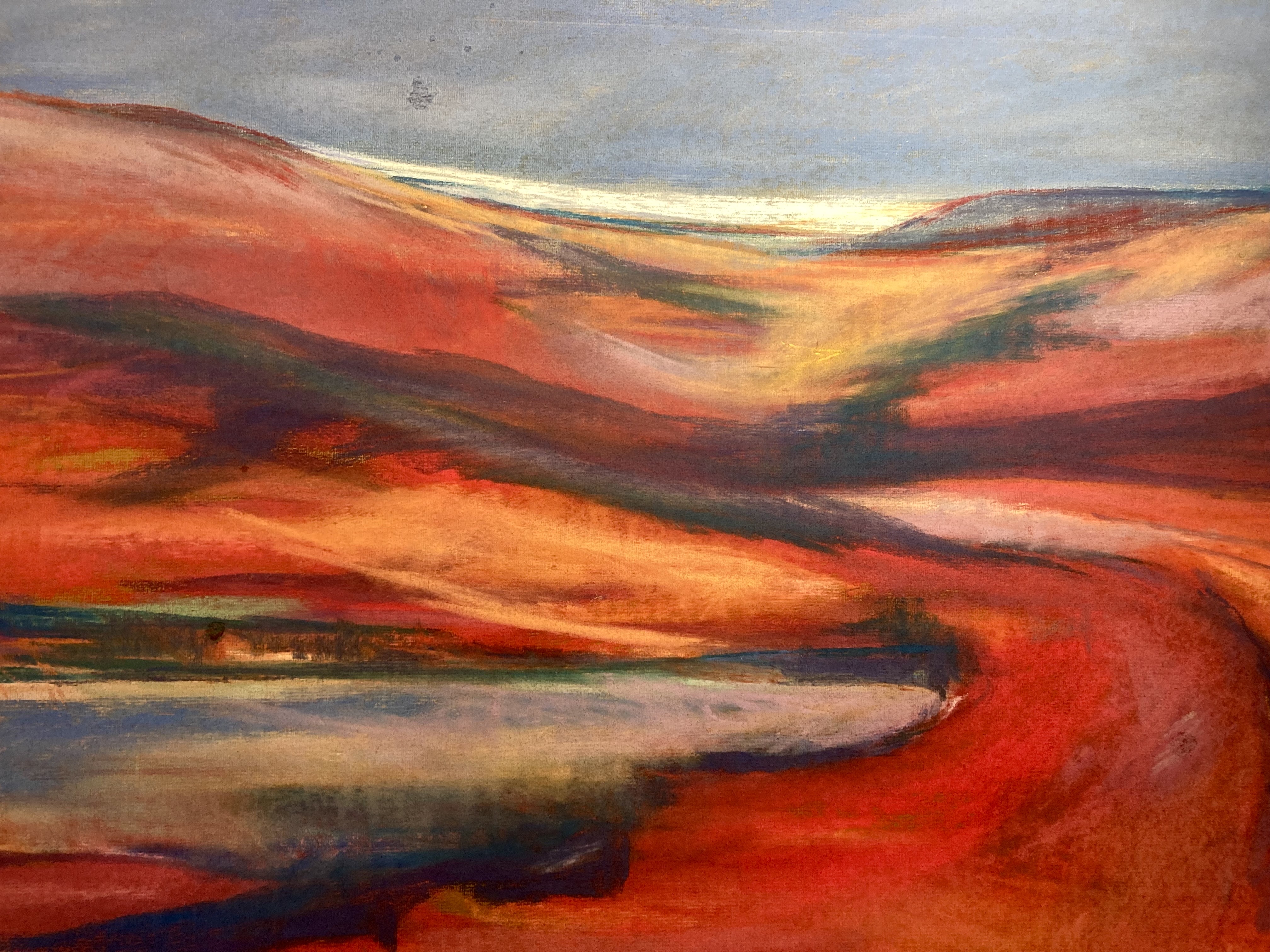
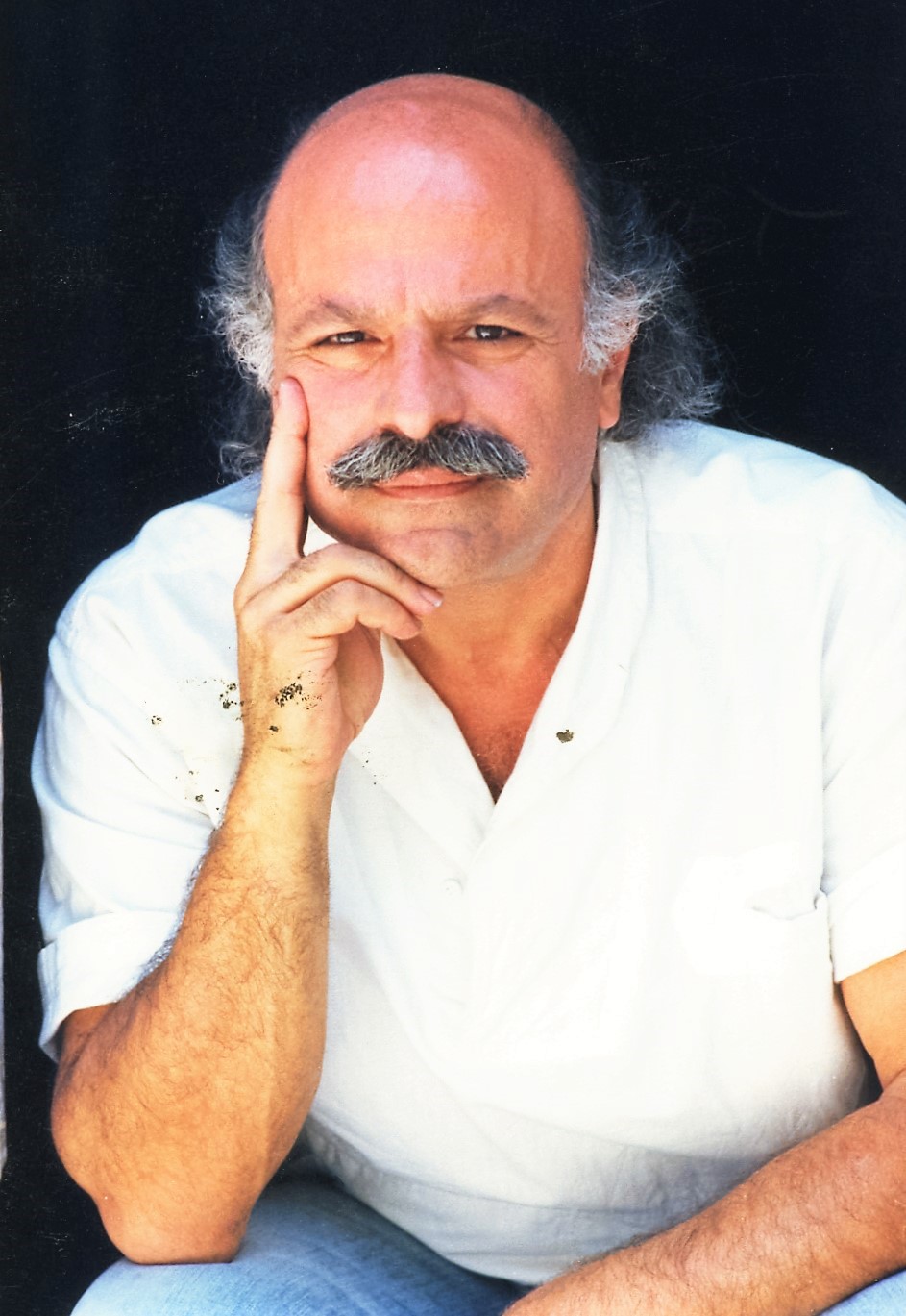
The Syrian painter and printmaker, Rida Hus-Hus, died in Mannheim, Germany on the 30 July 2016 at the age of 77. His courage, uncomplicated generosity and celebration of all that was beautiful is to be remembered and cherished. His life drawings and portraits reflected his affection and interest in other people. Through still-life drawing and flower pictures he celebrated the joy of quotidian detail, while his vibrant pastels captured the sweeping landscapes outside of Damasus, and literally painted Syria in a most beautiful light. Yet Rida was also intensely political in the dangerous environment of the Assad dictatorship, and to keep himself sane, and preserve the independence of his art, he lived an extremely modest and cleverly managed life. Continue reading

Oil Empires and Resistance in Afghanistan, Iraq and Syria


Afghan Resistance, 1842

Afghan Resistance, 1842

Nancy Lindisfarne and Jonathan Neale

This article is about three intersecting wars in the Middle East, in Afghanistan, Iraq and Syria.[1] The bombings in Paris occurred just as we were finishing the piece, and give our arguments here further tragic relevance.

This piece is 25,000 words long, and readers may find it easier to read by downloading the version here: Oil Empires 16Nov2015 FIN5.

It will help the reader to know from the outset where we stand. We want the mass resistance to the Assad regime in Syria to win, and the Russian armed forces and their allies to leave. We want the Americans and their allies to leave Afghanistan, now, completely. We want Assad and the American, British, French and Russian military to stop bombing the Syrian resistance and the Islamic State.[2] Continue reading

Night of Power: A Ramadan Story

Nancy Lindisfarne writes: The lunar month which began in mid-June this year is the Islamic month of Ramadan, the month of fasting and charity. This is a story to mark Ramadan, and one day in the life of Basima. At forty five, she is still unmarried, on the shelf, and as the youngest daughter of a large Syrian family, she has become the sole carer of her elderly, difficult mother.

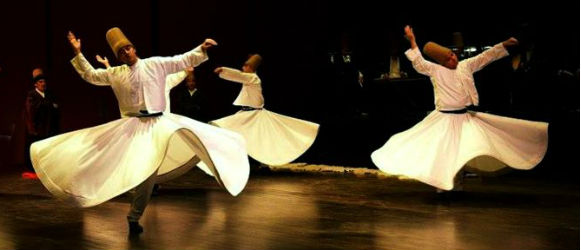
dervishes

This short story  is set in Damascus in the 1990s, where I did a year’s anthropological fieldwork among well-to-do Damascenes. For me, unlearning academic writing and writing fiction was a lengthy and salutary experience. The impetus came from my anger and exhaustion at countering simplistic, popular stereotypes of Arab or Muslim women and men as fundamentalists, terrorists, or both. My hope then was that the stories might be a way to reach an audience beyond the academy. Continue reading

Thinking about Feminism and Islamophobia 6: The Class Basis of the Taliban

Taliban reader

Nancy Lindisfarne writes: In understanding the Taliban we need to face up honestly to two quite different things. First, the Taliban are on the side of the poor . Most of their supporters come from the poor. The leaders of the Taliban are themselves from among the poor. (In this they are unlike most other Islamist groups.) And when they take power in an area the life circumstances of the poor improve significantly. These are the reasons why many ordinary people support the Taliban.

But there is another truth: the Taliban are also conservative in their sexual politics, and their policies oppress women. This is one of the things most ordinary Afghans and Pakistani Pashtuns don’t like about the Taliban.

Both these things are true. We need to face up to this contradictory reality. So we need to explain the situation in some detail. This post is an academic – but readable – paper explaining the class background of the Taliban. In another post, we shall turn to their right wing gender politics. Continue reading

Thinking about Feminism and Islamophobia 5: Bombs and Drones

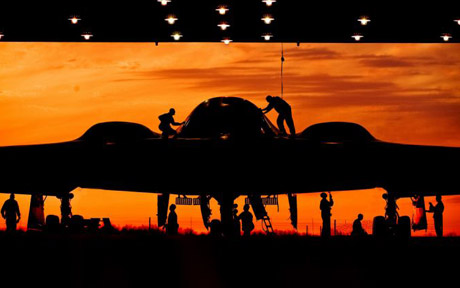
American bomber being prepared for flight

American bomber being prepared for flight

Nancy Lindisfarne and Jonathan Neale writeMany people now argue that feminists should support the American and Iranian alliance against the Islamic State in Iraq and Syria. Or they argue that we should support the American and Pakistani armed forces against the Taliban in Afghanistan and Pakistan.

Many other feminists, and many on the left, are confused and unsure. But they also talk as if it was a straight choice between IS and the US, or between the Taliban and the US. ‘Both sides are morally repugnant,’ these people say, ‘but if I have to choose…’

This way of thinking ignores the fact that you are not just choosing between two sides, you are choosing between two ways of waging war. How you kill people is important, and has emotional and political consequences. It matters that American bombing from the air is more cruel, more unequal, kills more women, and kills more children than fighting that on the ground with guns. Continue reading

Thinking about Feminism and Islamophobia (3) The new grand alliance in the Middle East

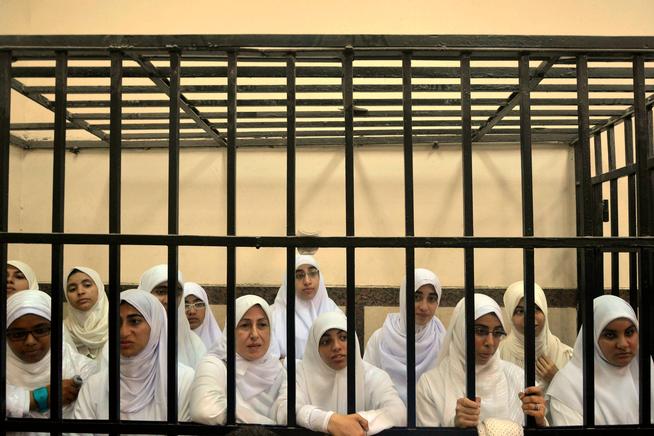
Women defendants at a mass trial of supporters of the Muslim Brotherhood in Alexandria, Egypt, November 2013

Nancy Lindisfarne and Jonathan Neale explain the changing international alliances in Middle Eastern politics, and how this is connected to rising Islamophobia in Europe.

In most of Europe and North America now there is only one acceptable form of racism: prejudice against Muslims. This is recent. Until 1978 in most of Europe and North America Muslims were often discriminated against because they were Asian, or Arabs, or people of colour. But in the US, Britain and many other countries they were not singled out for their religion. Continue reading

Iranian Street Aesthetics

net3

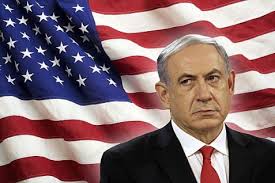
Netanyahu speaking to the US Congress: ‘Do a deal with Iran and nuclear war is inevitable’

Nancy Lindisfarne writes: One of the reasons Middle East politics is so confusing is that the alliances between the major players keep shifting. Changes in the balance of power are often extremely complicated, and leave plenty of gaps in our understanding of what is going on. In these gaps Islamophobia thrives. This post is meant as an antidote to the Western racism that targets Iran.

The shenanigans we’ve been watching this past week in anticipation of the Israeli election on Tuesday, the 17th March are a measure of the scale of the changes that have been taking place over this past year. We shall write about the new political alignments at length in a later post. Here I want to mark what hasn’t changed nearly as much.

OLYMPUS DIGITAL CAMERA

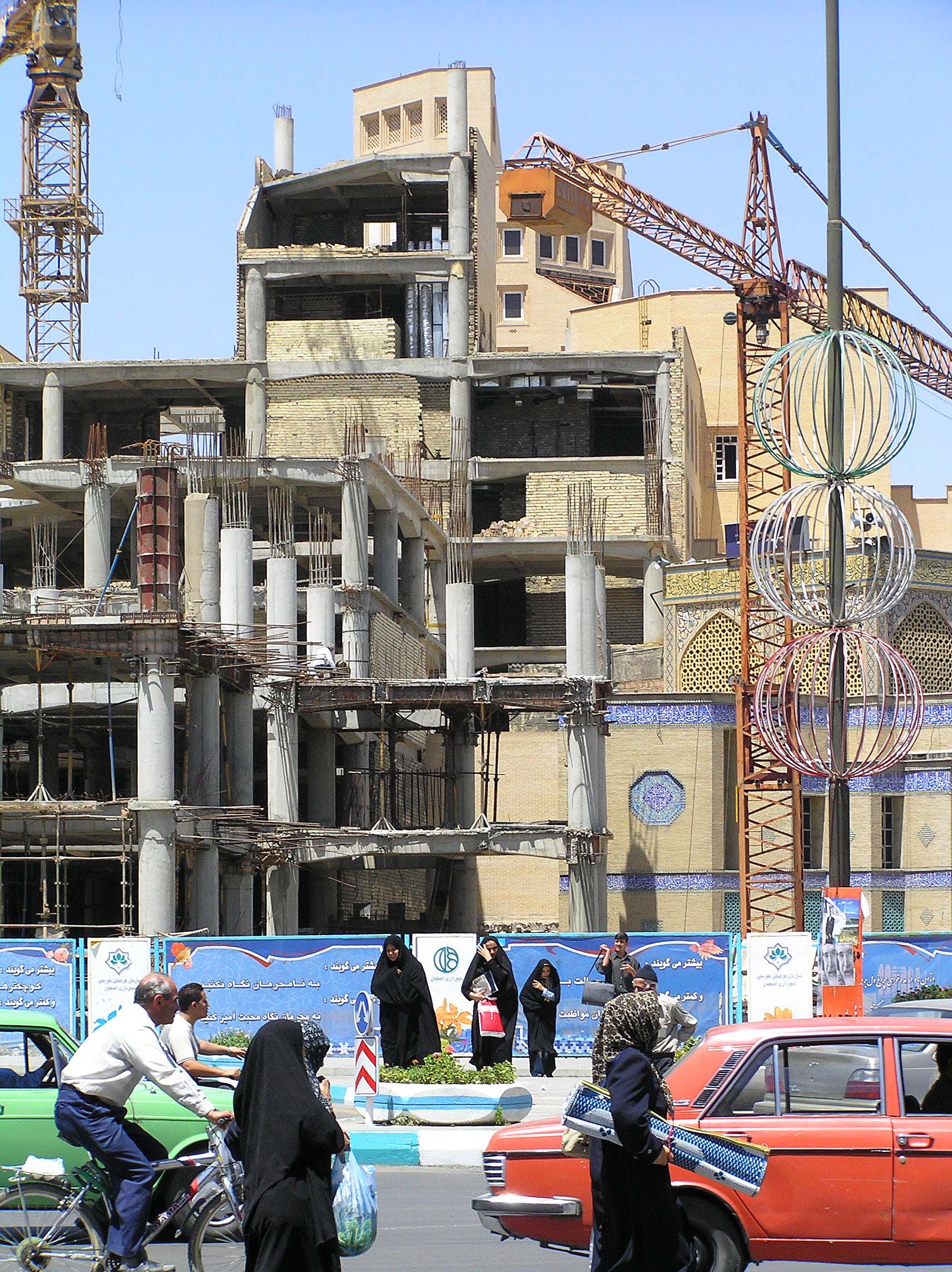
New building, Isfahan

In 2005 I travelled in Iran for a month. I had recently left academic teaching to do art. Luckily, I had remnants of Persian left over from anthropological fieldwork in Iran in the 1960s, and fieldwork in Afghanistan in the 1970s. In 2005 Western propaganda against Iran was relentless and visually dominated by ugly images of dust, terrorists and women smothered in black veils. In Iran, however, people were kind, endlessly helpful, and above all, they lived their lives in colour! Continue reading

Thinking about Feminism and Islamophobia (2): ‘Traditional’ and ‘Modern’ in Turkey

By Nancy Lindisfarne

Ataturk1

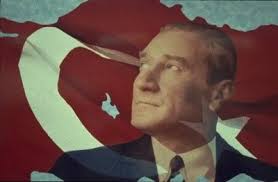
Kemal Atatűrk -Founding Father of the Turkish Republic

There is a lot to be learned when a society is changing rapidly and radically. This blog is an excerpt from Thank God, We’re Secular: Gender, Islam and Turkish Republicanism, published in Turkish in 2001.  This is a piece about Turkish Islamophobia, and about the class divide between Turkish elites and the working class. Continue reading

Thinking about Feminism and Islamophobia (1)

OLYMPUS DIGITAL CAMERA

In a park in Isfahan, Iran, 2005.

Nancy Lindisfarne writes: Using labels which fasten on skin colour, ethnicity or religious identity to treat whole groups of people as Blacks, Chinese, Jews or Muslims, is racist. And there is plenty of it around. If we think of Islamophobia – which literally means a fear of Islam – as another form of racism, we get a better measure of what is going on.

Racisms, in whatever version they appear, always serve the people in power. Far too often one hears comments about Muslims which would be immediately recognised as racist if they were said about black or Jewish people. And often these days such comments go unchallenged.

And as the Charlie Hebdo outcry has made clear, many feminists, Marxists and liberals find any accommodation between feminism and Islam well-nigh impossible. This leaves a space easily filled by cultural racism.

In a series of posts we shall aim to disentangle some of the ideas which make Islamophobia seem acceptable to many people who otherwise loath and deplore global inequality and imperialist wars. Our aim is make it easier to speak out against this hatred of Muslims and Islam.

To do this, we use gender as our lens. It is a powerful device for seeing through racisms that can otherwise seem self-evidently correct. Sexist ideas and practices are often places where a dominant ideology does not quite cohere, where slippages, and contradictions, allow us to glimpse of what is actually going on.

We begin this series of posts on Feminism and Islamophobia with a brief note on cultural racism and ‘the veil’. Continue reading

A Valentine’s Day Story

For Valentine’s Day, here is something light – a story by Nancy Lindisfarne from DANCING IN DAMASCUS, her collection of short stories about Syria in the 1990s (SUNY, 2000).

valentine_barbies_on_sale_003

LOVELY TITS

‘Come on. I’ll help you if you want.’ Rana grinned. She was lively, shiny, like her curly dark hair. And she was a gorgeous shape. So he didn’t really mind that she was also saying he was hopeless, the kind of guy who didn’t have the gumption to buy a Barbie doll for his kid. Continue reading

ISIS, Sexual Violence and Killing Gay Men

Nancy Lindisfarne and Jonathan Neale 

There are now many press and internet reports of rape by the Islamic State (ISIS). There are also reports of ISIS killing gays. These reports are being used to justify heavy bombing of ISIS fighters and civilians by the United States, Britain, France and other allies. These bombings are happening in both Iraq and Syria – ISIS controls parts of both countries.

We have to be careful with the evidence. On the one hand, the media usually ignore rape in wartime. On the other hand, there is also a long standing tradition of newspapers accusing the enemy of atrocities they have not committed. However, there does appear to be convincing evidence for widespread use of rape or women, and killing of gay men, by both ISIS and America’s allies. 

Continue reading