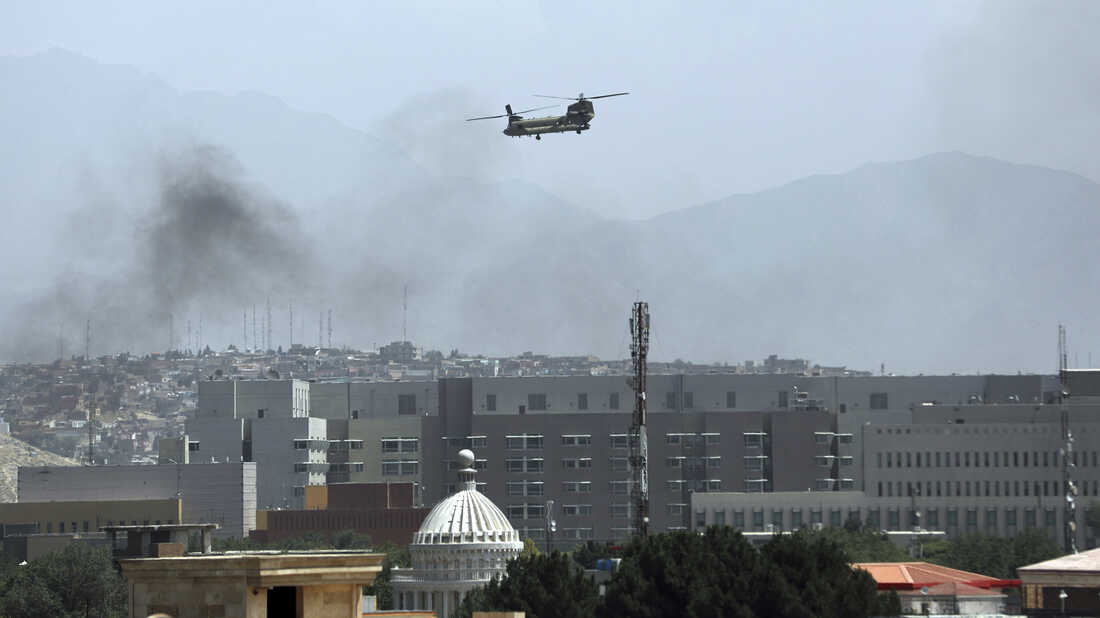
Nancy Lindisfarne and Jonathan Neale write:
Our recent post on Afghanistan has been translated into several languages, and there is a nice interview with Jacobin Radio and an interview in Chinese with The Paper. The links are below.
Continue readingNancy Lindisfarne and Jonathan Neale write:
Our recent post on Afghanistan has been translated into several languages, and there is a nice interview with Jacobin Radio and an interview in Chinese with The Paper. The links are below.
Continue readingNancy Lindisfarne and Jonathan Neale write: A lot of nonsense about Afghanistan is being written in Britain and the United States. Most of this nonsense hides a number of important truths.
First, the Taliban have defeated the United States. Second, the Taliban have won because they have more popular support.
Third, this is not because most Afghans love the Taliban. It is because the American occupation has been unbearably cruel and corrupt. Fourth, the War on Terror has also been politically defeated in the United States. The majority of Americans are now in favor of withdrawal from Afghanistan and against any more foreign wars.
Fifth, this is a turning point in world history. The greatest military power in the world has been defeated by the people of a small, desperately poor country. This will weaken the power of the American empire all over the world. Sixth, the rhetoric of saving Afghan women has been widely used to justify the occupation, and many feminists in Afghanistan have chosen the side of the occupation. The result is a tragedy for feminism.
Continue reading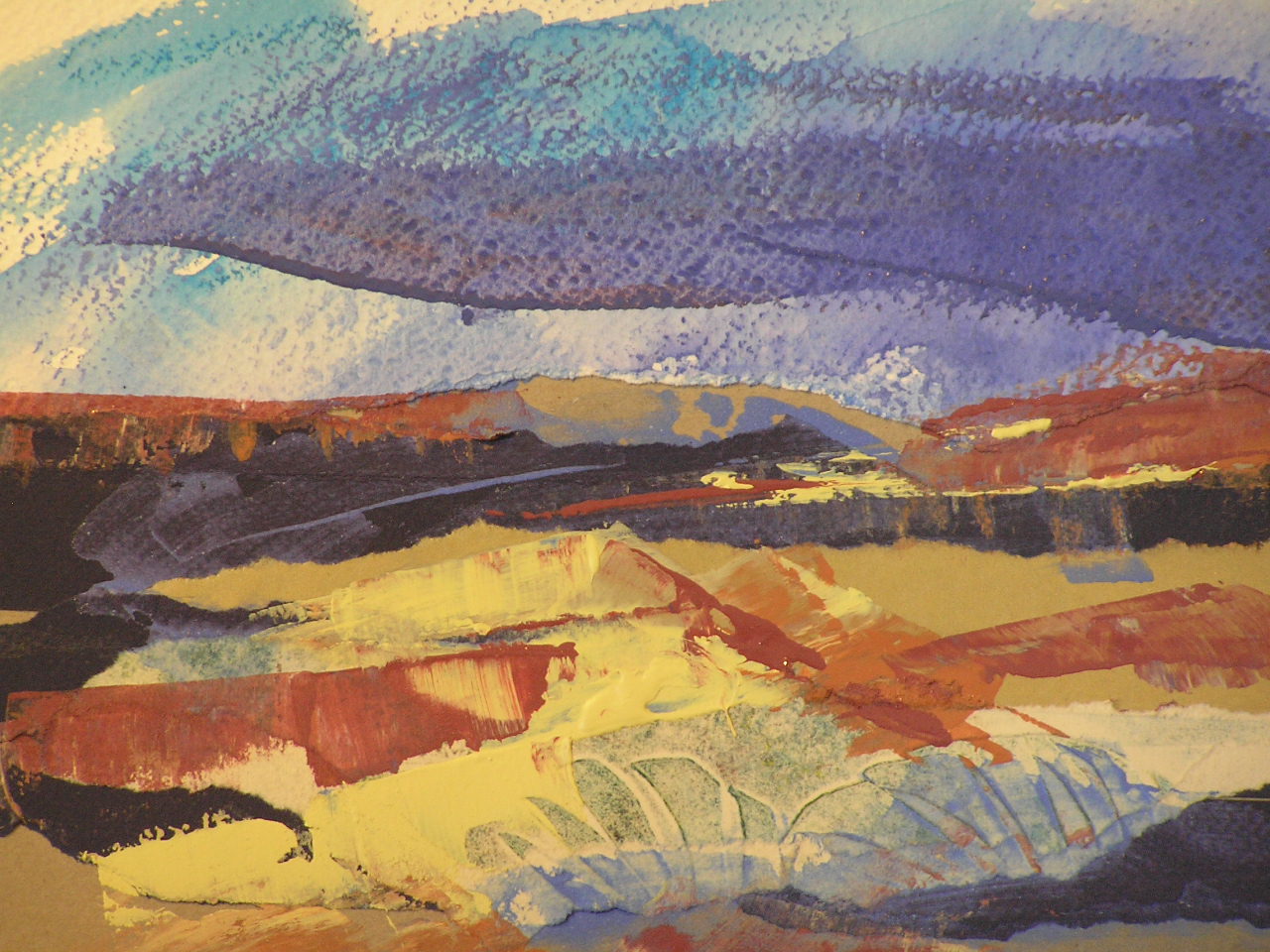
Jebel Druze – Landscape by Nancy Lindisfarne
Nancy Lindisfarne writes: Here we are reposting a short story I originally published in Arabic in 1997. I did anthropological fieldwork in Damascus in the late 1980s, and from day one I saw the tyranny of the regime. But I knew the whole time I was in Syria, and then again when I tried out the stories on friends in Damascus, that for their sake, I could only hint at the fear everyone felt. As you can see here, the most politically explicit of my Syrian stories, ‘Fresh Apricots’, is little more than a bare whisper about a taxi driver picking up a fare on Sednaya Road in Damascus. In 1997, Mamdouh Adwan, the Syrian poet and playwright, translated into Arabic a collection of short stories I had written after my year of fieldwork. Al Raqs fi Dimasq was published in Syria before an English version, Dancing in Damascus, came out in 2000. But though a bare whisper, I also knew Syrian readers absolutely understood what I was trying to say.

Jonathan Neale writes: Over the last few years, the falls in the price of solar and wind power have been dramatic. Does this mean the the market will now produce enough renewable energy?
Unfortunately, no.
Continue reading Jonathan Neale writes: I have spent the last year working on a book called Fight the Fire – Green New Deals and Global Climate Jobs. Most of it is about both the politics and the engineering of any possible transition that can avert catastrophic climate breakdown. One thing I had to think about long and hard was lithium and car batteries. [This article was first published by Climate and Capitalism on 11 Feb 2021.]
I often hear people say that we can’t cover the world with electric vehicles, because there simply is not enough lithium for batteries. In any case, they add, lithium production is toxic, and the only supplies are in the Global South. Moreover, so the story goes, there are not enough rare earth metals for wind turbines and all the other hardware we will need for renewable energy.
People often smile after they say those things, which is hard for me to understand, because it means eight billion people will go to hell. So I went and found out about lithium batteries and the uses of rare earth. What I found out is that the transition will be possible, but neither the politics nor the engineering is simple. This article explains why. I start by describing the situation simply, and then add in some of the complexity. Continue reading
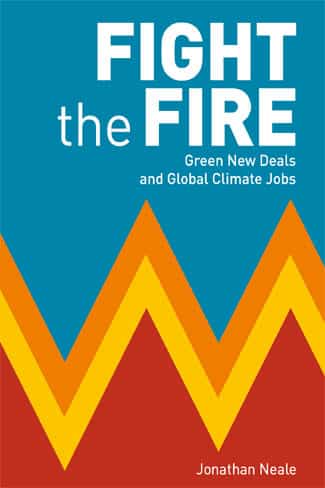 Jonathan Neale’s new book Fight the Fire – Green New Deals and Global Climate Jobs can be downloaded as a free pdf or a free e-book here. It can be ordered as a paperback for £15 here .
Advance Praise for Fight the Fire
“This is a timely book. At a time when the world is still reeling from the ravages of Covid-19 and the massive economic dislocation that it engendered, now is the perfect time to reinvigorate the campaign for climate jobs, or, as in the case of the Philippines, to launch it. And this book is just what any climate jobs campaigner would need. It provides the big picture, the science and the politics of climate change, as well as the nuts and bolts of how such a campaign would look like. More than that, it is replete with lessons that the author has gained from a life spent fighting in the trenches of various campaigns.” – Josua Mata, Secretary-General, SENTRO union federation, Philippines. Continue reading
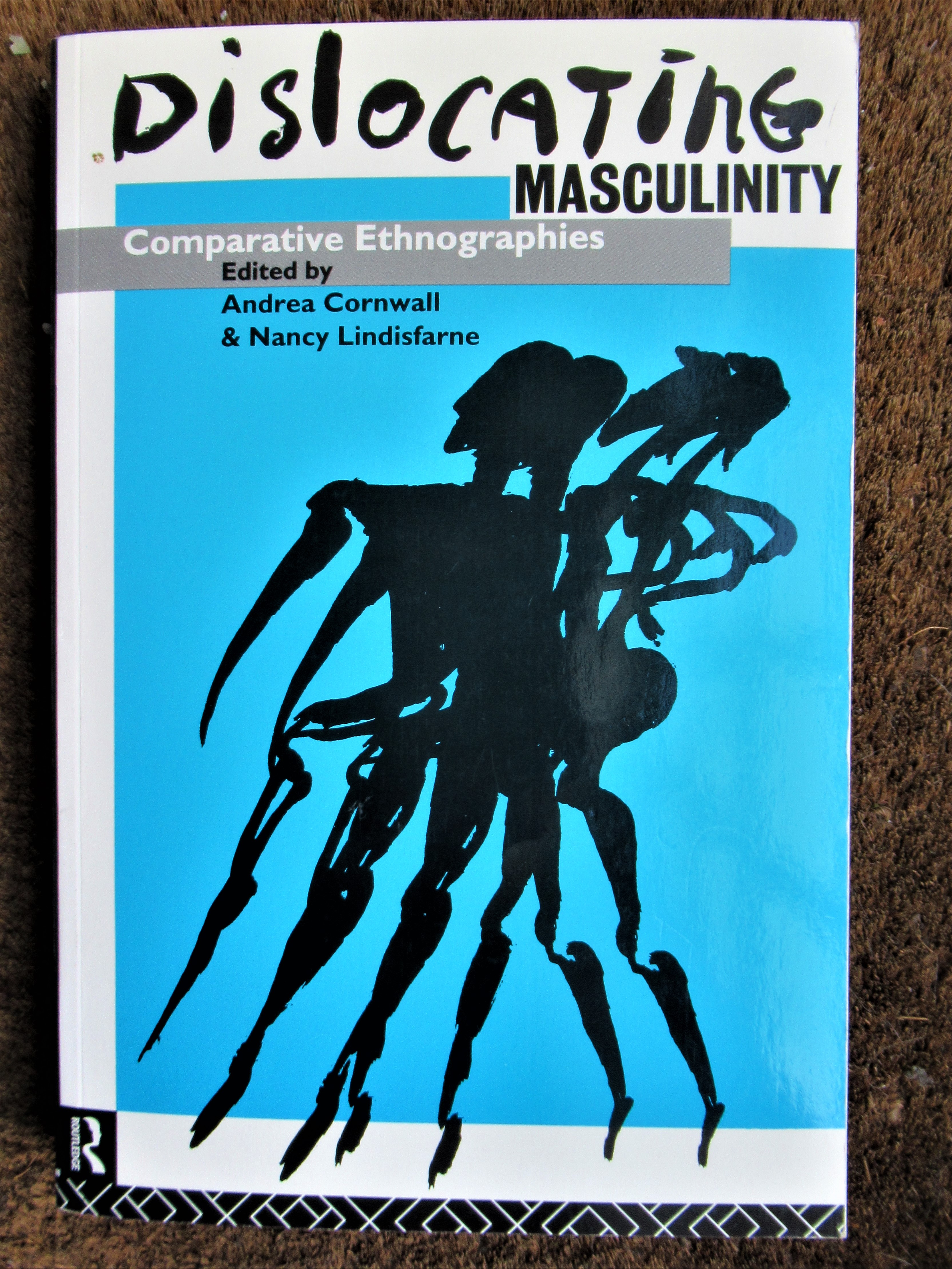 Andrea Cornwall, Frank G. Karioris and Nancy Lindisfarne
With all the immense pressure on young scholars to present at conferences, to publish and find jobs, it is easy to forget that we got into academia because we were excited about thinking, reading and grappling with new ideas – and that academia is full of people who have those enthusiasms. In the early summer of 2014, at the University of Sussex in Falmer, we tried out a formula for a symposium which celebrated these values. The symposium wasn’t perfect, but it was pretty damn good, and we think the format will be of interest to others. We’ve decided to call it the Falmer Method.
Too many academic conferences bore senior scholars and scare young ones, sometimes quite badly. They are a way to test people, favour a few and put others down. And keep them down. Continue reading
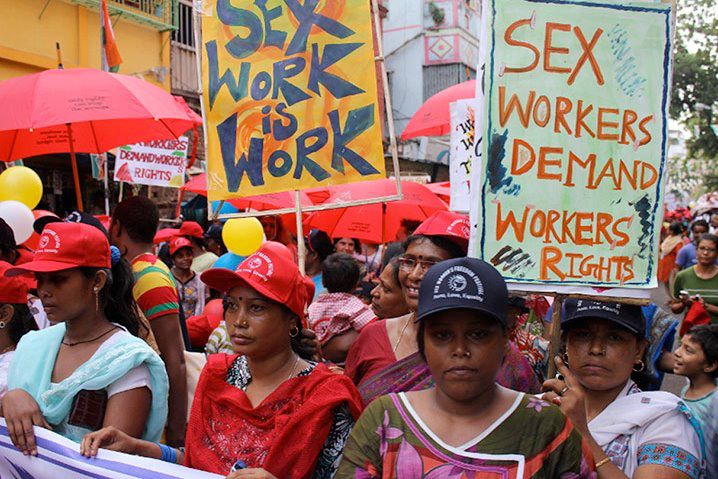
Nancy Lindisfarne and Jonathan Neale write: The myth of trafficking was invented by right-wing evangelical Christians in the United States. It is untrue, racist and dangerous to sex workers. Yet to many people it seems both feminist and left-wing. This article explores that paradox. Continue reading

Jonathan Neale writes: One of the puzzling and enraging things about the covid pandemic is the anti-maskers and anti-vaxxers in the United States, Britain, and more widely. And then there are the other forms of covid denial – ‘It’s only the flu’, ‘It’s not real’, ‘There are no cases in hospital’, ‘Herd immunity will save us’.
Many people explain this by saying those other people are mad, deluded, stupid, paranoid, the victims of the internet and conspiracy theories. Or by saying it’s a mystery why they do that. I want to present a political explanation. It comes from some thinking Nancy Lindisfarne and I have been doing about big lies and fascist movements.
[First published at The Ecologist on 27 Jan 2021]
Continue reading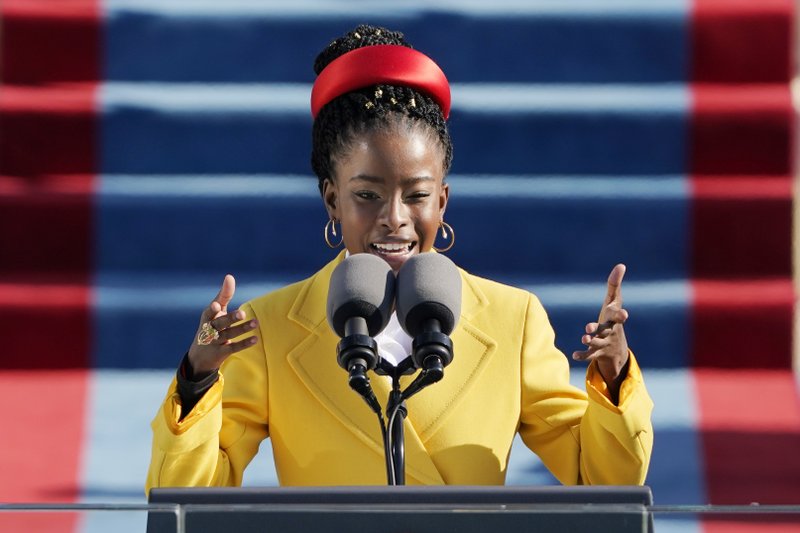
Nancy Lindisfarne and Jonathan Neale
Yesterday, at Biden’s inauguration, we saw a moment that marked a turning point in the history of poetry in English. We saw also how three women marked and lived the contradictions of a turning point in the history of the United States.
Joe Biden’s speech was never going to be the centrepiece of the event. He does not have the skills as an orator. More important, the politics of compromise he brings to this moment could not do justice to the passions of the movement that put him there. So the weight of the moment fell on the shoulders of the artists, two singers and a poet, three women, one white, one Latina, one black, Lady Gaga, Jennifer Lopez and Amanda Gorman. Continue reading
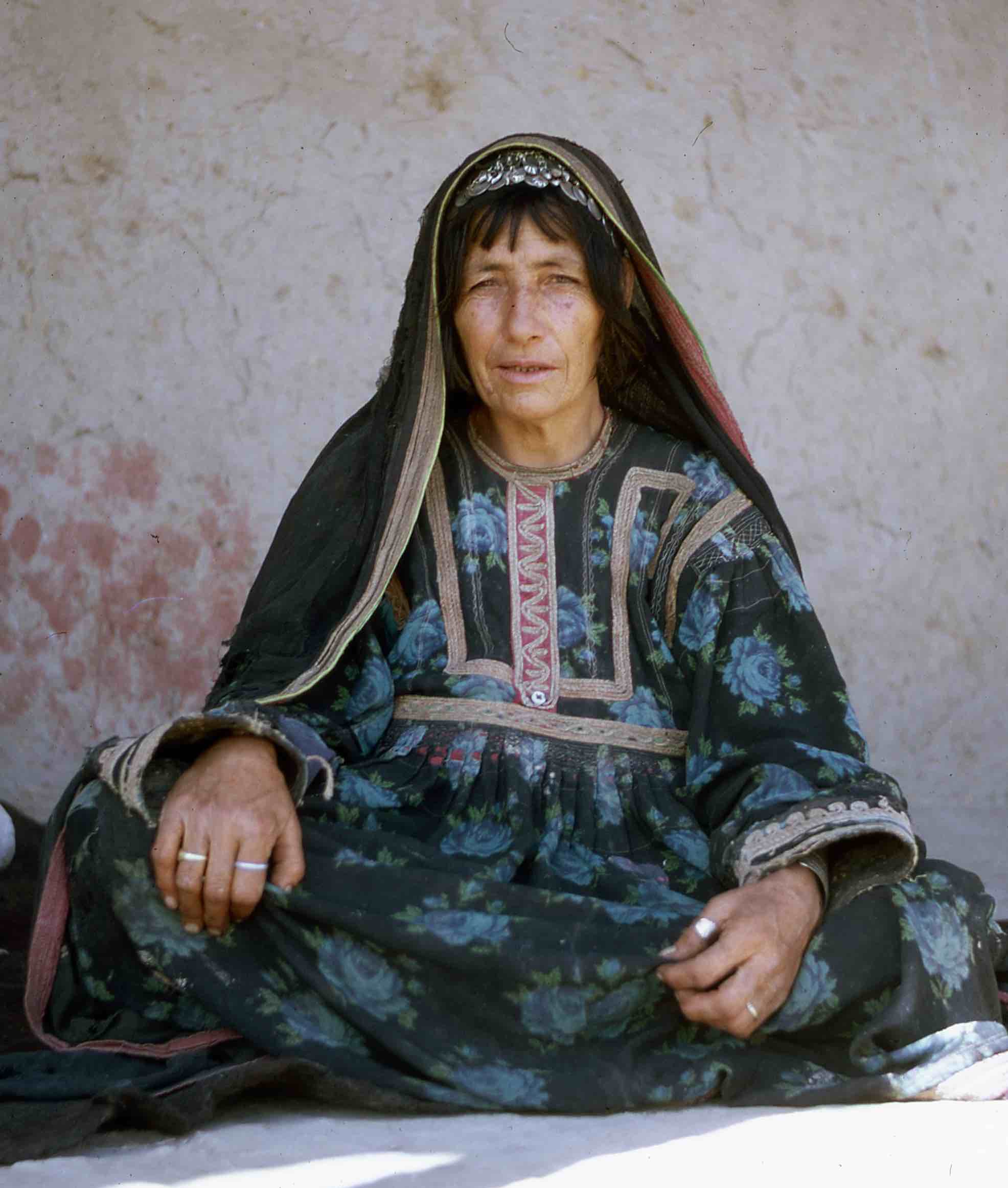
My friend Maryam
In 1971 and 1972 Richard Tapper and I lived with Afghan villagers for nearly a year. The Piruzai, some 200 families, lived in two small settlements near the town of Sar-e Pol in northern Afghanistan. They were Pashtu-speakers, pastoralists and peasant farmers, poor people, working very hard to survive in a vicious feudal system.
The people, the setting, and even the division of labour between Richard and myself seemed to conform to every stereotype about the Middle East. There were veiled women, men on horseback, camel caravans, stunning scenery and dramatic lives. These were stereotypes shared by the Afghan officials, politicians and urban professionals we met in Kabul. But the people we met were not two dimensional.
They were warm, funny, clear-thinking and tough. They understood we were doing research – anthropology – insanshenasi – and they wanted to help us ‘write a book’. They wanted their words to be heard and written down. Living with the Piruzai was an immense privilege and our obligation to tell the story of the Piruzai is on-going. Continue reading
Nancy Lindisfarne

[Originally published as a letter/comment in Anthropology Today, March 2020.]
The editorial by Thomas Hylland Eriksen (AT Feb 2020, Vol 36, no 1) is a passionate plea for more anthropological engagement in public debates about global warming. His focus is on knowledge – ‘what we can say’ and storytelling – ‘how can we say it?’ His hope is that anthropologists can find ways to intervene more effectively in political debate. I agree and would add that to do so, we need to be willing to take sides, and draw on our anthropological and historical understanding of resistance, social movements and the mechanics of social change (Armbruster & Laerke 2008; Lindisfarne 2010). And in the case of global warming, there is one utterly compelling way to take Eriksen’s plea for action further.
Continue readingNancy Lindisfarne and Jonathan Neale

This article does two things. First, we pass on Timothy Snyder’s reasons for describing as fascist the invasion of the Capitol building in Washington. Second, we explain why fascists have to tell big lies, why they tell the particular lies they do, and how this is connected to the class con which is basic to fascist politics.
Continue reading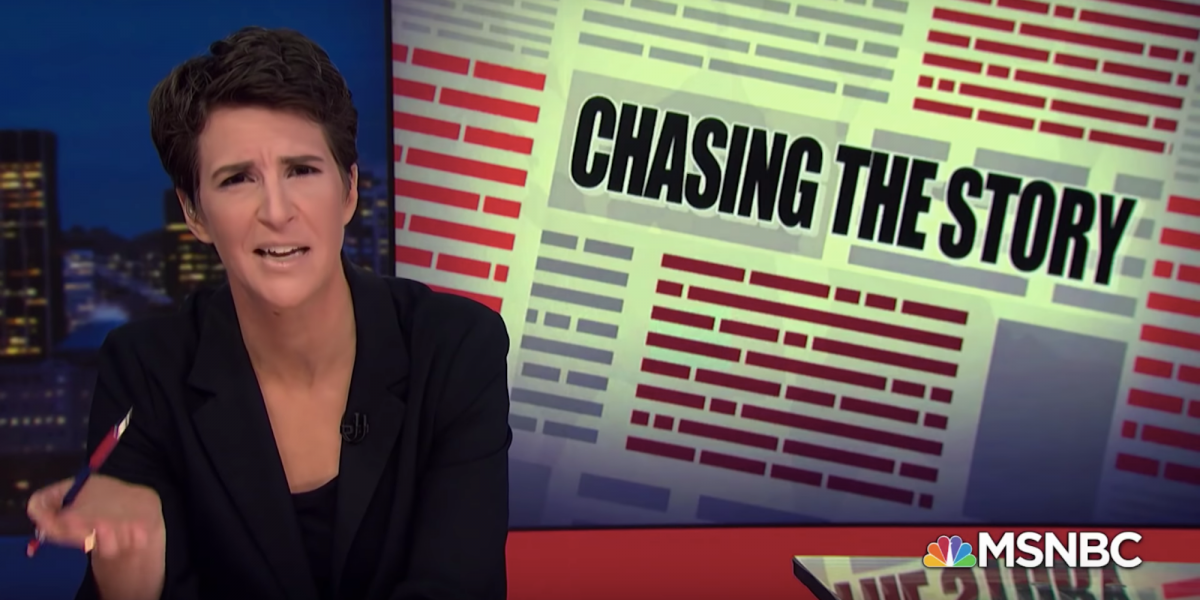
Rachel Maddow Friday night
Nancy Lindisfarne and Jonathan Neale write: Yesterday we tuned in to watch Rachel Maddow’s nightly one-hour show on the US cable news network, MSNBC. Something extraordinary happened. Twenty minutes into the show Maddow began to talk about the Harvey Weinstein case. Over the next forty minutes she set forth, in powerful and coherent detail, how her bosses had attempted to protect Weinstein from the exposure of his sexual harassment and rapes on NBC News. Maddow accused her bosses, her bosses’ bosses, and her bosses’ bosses’ bosses, of lying, and of actions that were illegal and immoral. On live TV. Continue reading
 Nancy Lindisfarne and Jonathan Neale write: Lurking behind any discussion of men and masculinities is a deep presumption that men are aggressive sexual predators disposed to raging violence, while women are passive victims good only for reproduction. If this binary construction is ‘natural’, if it is our DNA as a species, then what is the point of asking ‘Why are men and women unequal?’ ‘Why are lesbians and gays oppressed?’ ‘Why are many men violent?’ ‘Why is sexual violence so common?’
Yet these are old, very important questions. For thousands of years the most forceful answers have come from the people who dominate society. Continue reading
Lesbian and Gay Liberation did not begin with a demonstration, a meeting, a campaign or a court case. It began with a riot. Nancy Lindisarne and Jonathan Neale tell the story.
Continue reading
Nancy Lindisfarne and Jonathan Neale write: With Brett Kavanaugh’s appointment to the US Supreme Court, the majority of justices are against women’s abortion rights. This is the second of two posts about the “abortion wars” in the United States. In retelling this history we are looking for insights that might help us to fight for abortion rights going forward. Continue reading

Judith Widdecombe, abortion pioneer in MIssouri
Nancy Lindisfarne and Jonathan Neale
This is the first of two posts looking to the history of abortion rights in America. Both focus on lessons learned that we can use in the fight for abortion rights in the future. We make two central points in this post. Abortion rights were won by a mass movement, not the Supreme Court. Second, the abortion wars continue because abortion has come to stand for women’s equality, sexual freedom and desire. Continue reading
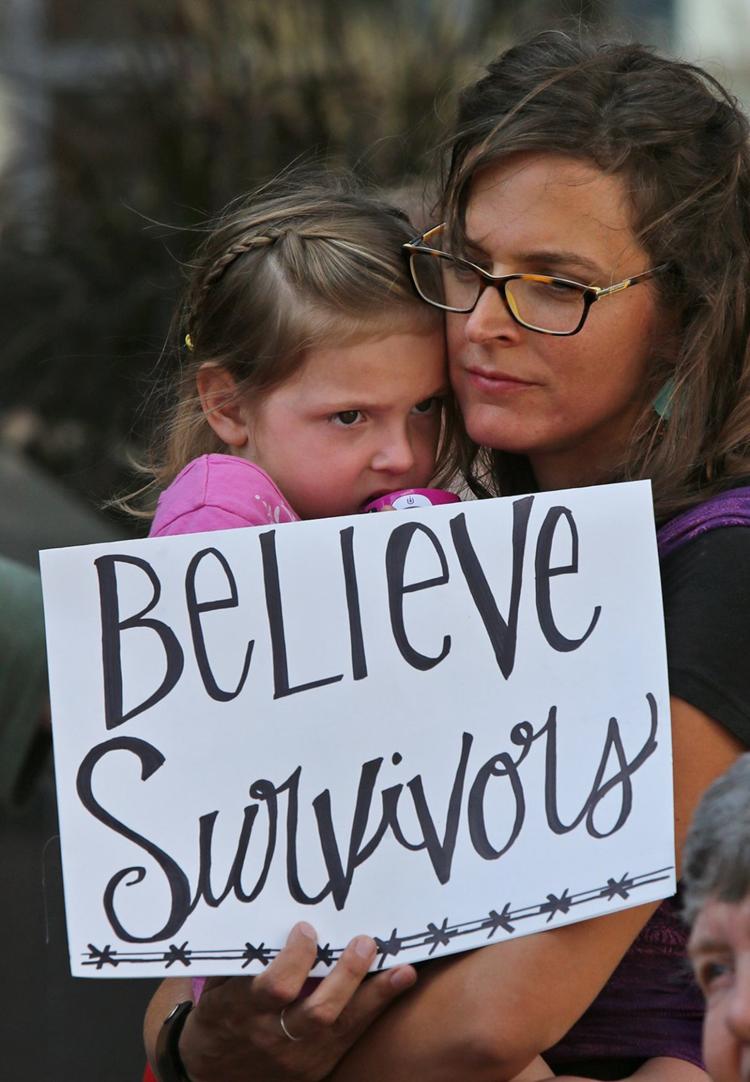
Protest in St Louis, 2 October 2018
Nancy Lindisfarne and Jonathan Neale write: Last Thursday, Christine Blasey Ford testified before the judiciary committee of the US Senate. She said that Brett Kavanaugh, the nominee for the Supreme Court, had attempted to rape her when she was 15. He denied it. She told the truth and he was lying. Everyone in the room knew this, including all eleven Republican senators.
What happened next was something else. The Republican senators rallied to defend the right to rape. Sure, class also mattered, and abortion, and Trump, and the midterm elections. But centrally, they did not want Kavanaugh to pay a price for his sexual violence. An extraordinary moment of #metoo resistance had provoked that Republican backlash, and they closed ranks fast and hard.
When a system is working smoothly the mechanics of power are hidden. But when there is a breakdown, a ‘breach case’, we sometimes have an opportunity to see how the system works. And the links and deep loyalties that keep inequality in place become visible. The hearing has offered such an opportunity. It gives us a chance to formulate seven useful ideas about sexual violence. Continue reading
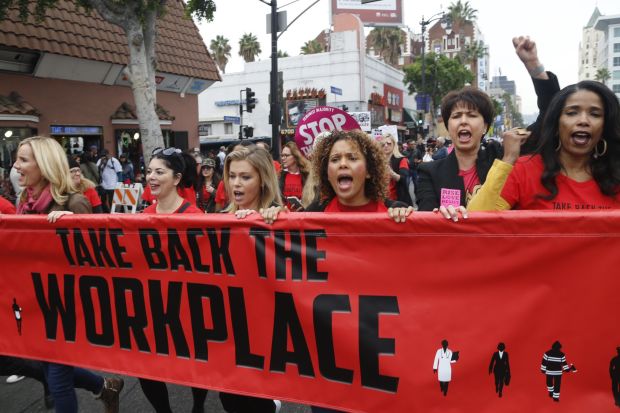
Juniper Fitzgerald writes: I’ve made an entire alter ego out of the things people hate most about women: bodily autonomy and self-determination in the form of sex work and body modifications, among other things. The recent allegations against prominent sociologist Michael Kimmel, a man known for his scholarship on masculinity and masculine entitlement, unveil the things people love most about women—complicity in the form of apologetics and silence, among other things.
As a former sex worker and sociologist, the allegations against Kimmel sent me spiraling in ways I did not anticipate, and not just because I have repeatedly experienced sexual harassment in my academic career. I am particularly revolted by the allegations against Kimmel because I disavowed my hard-earned sex worker gut feeling in order to elevate his career. Continue reading
Tabitha Spence writes: The American electoral field is witnessing a leftward shift not seen in at least the past four decades. Bernie Sanders’ 2016 bid for president on the Democratic Party ticket sent shock waves throughout the country, as he openly identified as a (*gasp*) socialist, opening up possibilities for the American Left that had been hitherto foreclosed. Continue reading

Nancy Lindisfarne and Jonathan Neale explain the relationship between Trump and evangelical Protestants like Vice-President Pence. [This piece was first published in Turkish in Cumhuriyet ,August 12, 2018.] Continue reading
The balance of power has shifted and Trump is going. Sexual politics has been central to this, Nancy Lindisfarne and Jonathan Neale write. The turning point, the hinge of history, is Michael Cohen’s guilty plea over payments by him and Trump to two sex workers. That is not a sideshow. Continue reading
By Nancy Lindisfarne and Jonathan Neale.
Three years ago we posted an article about gang abuse of young women in Oxford. This article is of national relevance now, because the fascist and hard racist right is making hay with campaigns against Asian and Muslim abusers. Two weeks ago 15,000 people marched in central London calling for freedom for Tommy Robinson. There were 500 anti-racist counter-marchers. Things are getting serious. Continue reading

Rachel Denhollander at the trial of Larry Nasser
Nancy Lindisfarne and Jonathan Neale write: In the wake of Metoo, collective movements are now exposing cover-ups from the top. The target is no longer just one individual, a Strauss-Kahn, a Bill Clinton or a Clarence Thomas. These movements are shouting: it’s a whole system. The class inequalities that protect abuse are being exposed. This is a cause for joy, and hope.
The Larry Nasser case provides a brutal example. At Nasser’s trial last month more than 160 survivors of abuse testified about what he had done to them. Nasser was a doctor for the athletics department at Michigan State University, and for the United States national Olympic team in gymnastics. The stories the survivors told were moving, and horrific. Nasser abused thousands of girls, some as young as six, by fingering them vaginally and anally for his own pleasure, over a period of more than twenty years.
Nasser was only able to do what he did because dozens of people covered up for him. This fits with what we have seen in the many cases the Metoo movement has begun to expose. Only a minority of men abuse. Most men do not do those things. But the men who do it, do it over and over again, so almost every woman suffers. Continue reading
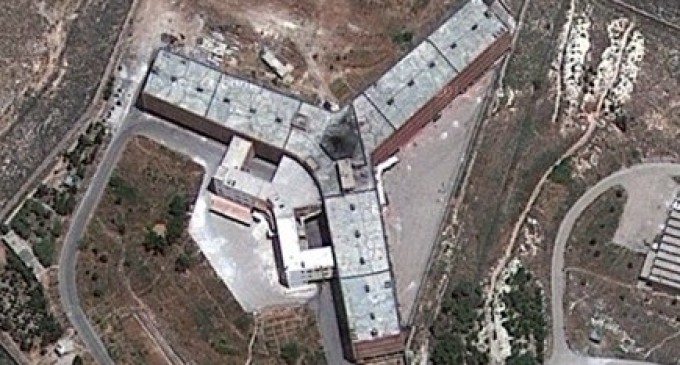
Saydnaya prison, Damascus, Syria
Nancy Lindisfarne writes: For forty-six years the Assad regime has ruled Syria with murderous brutality. A measure of this brutality was the quelling of a popular uprising against the regime in the city of Hama in 1982. Assad (the father) bombed and killed some 20,000 Syrian citizens. Or perhaps 40,000 – the violence was so comprehensive and effective that it has never been possible to establish exactly how many perished. The massacre in Hama and the violence of the Assads’ secret prisons served to terrify the population and kept people quiescent. Until 2011. Continue reading
By Rouba Mhaissen
My alarm woke me up
It’s 2017
Good morning Fortress Europe
Today is another day
I’ll get randomly checked
At an airport nearby. Continue reading
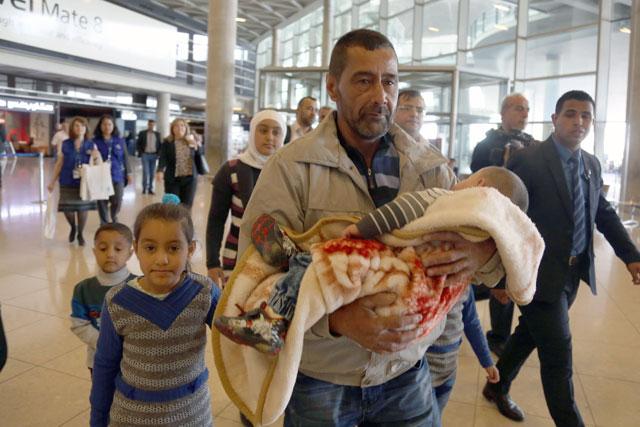
Syrian refugees in Jordan, 2016
Lewis Turner writes about Syrian refugees in Jordan, He argues that ‘a person is not vulnerable because they are a man or a woman, but because of what being a man or a woman means in particular situations. A refugee response that automatically assumes that women and children are the most vulnerable will do a disservice to the community it seeks to serve.‘ Continue reading
 Nancy Lindisfarne and Jonathan Neale write: Trump’s win this morning has left many of us in despair. To prepare ourselves for what is to come, here are some things we need to understand about class struggle, racism and climate change.
First, this vote is a victory for the far right and for racism on a global scale. Second, it is also partly a class revolt against the consequences of neoliberalism. Trump’s appeal to class anger through racism is a tragedy and an obscenity. Continue reading
 Nancy Lindisfarne writes – We live in a world mad drunk on technology and political stupidity. Bob Hughes’ new book, The Bleeding Edge: Why Technology turns Toxic in an Unequal World (Oxford: New Internationalist. 2016) says more about this poisonous combination – its causes, consequences, and possible cures – than anything I have previously read. This is an ambitious and important book. The questions Hughes addresses about the relation between equality and creativity – and the converse, why inequality is so stifling of innovation and so destructive of the environment– are extremely pressing.
And they are questions that haunt us. Thinking hard about technology is frightening. Our world is so full of things that most of us don’t understand, perhaps it is better not to look. Continue reading

American planes bombing Ramadi in October, 2015
Nancy Lindisfarne and Jonathan Neale
An assault on the Iraqi city of Mosul by the United States, Iran, the Iraqi government, Kurdish forces and Shiah militias looks imminent. We can expect massive bloodshed and the destruction of most of the city.
Mosul is now held by ISIS. Different estimates suggest that between 600,000 and 1,500,000 people are still in the city. In the last year Iraqi and Iranian forces backed by the US bombs have retaken the cities of Ramadi and Fallujah from ISIS. In both cases, the whole city was flattened by American bombs, and almost all the people became refugees. Those two cities remain destroyed, and almost empty.
Because ISIS holds Mosul, every reactionary power in the world will welcome the bombing. On present form, almost the whole of the European and North American left will do nothing to protest the bombing, and many leftists will support the assault.
The position of most of the left makes us sick at heart. Do Muslim deaths not matter? Continue reading

Dame Lowell Goddard
Nancy Lindisfarne and Jonathan Neale
Update on 30 September 2016. Yesterday the lead lawyer for the official British inquiry into historic child abuse was sacked, after protesting internally about changes to the workings of the inquiry. So we are recirculating a post we wrote last month. In hindsight, our post is too trusting of Dame Goddard, who now appears to have been trying to narrow the scope of the inquiry. But the general context we provide is still useful. Continue reading
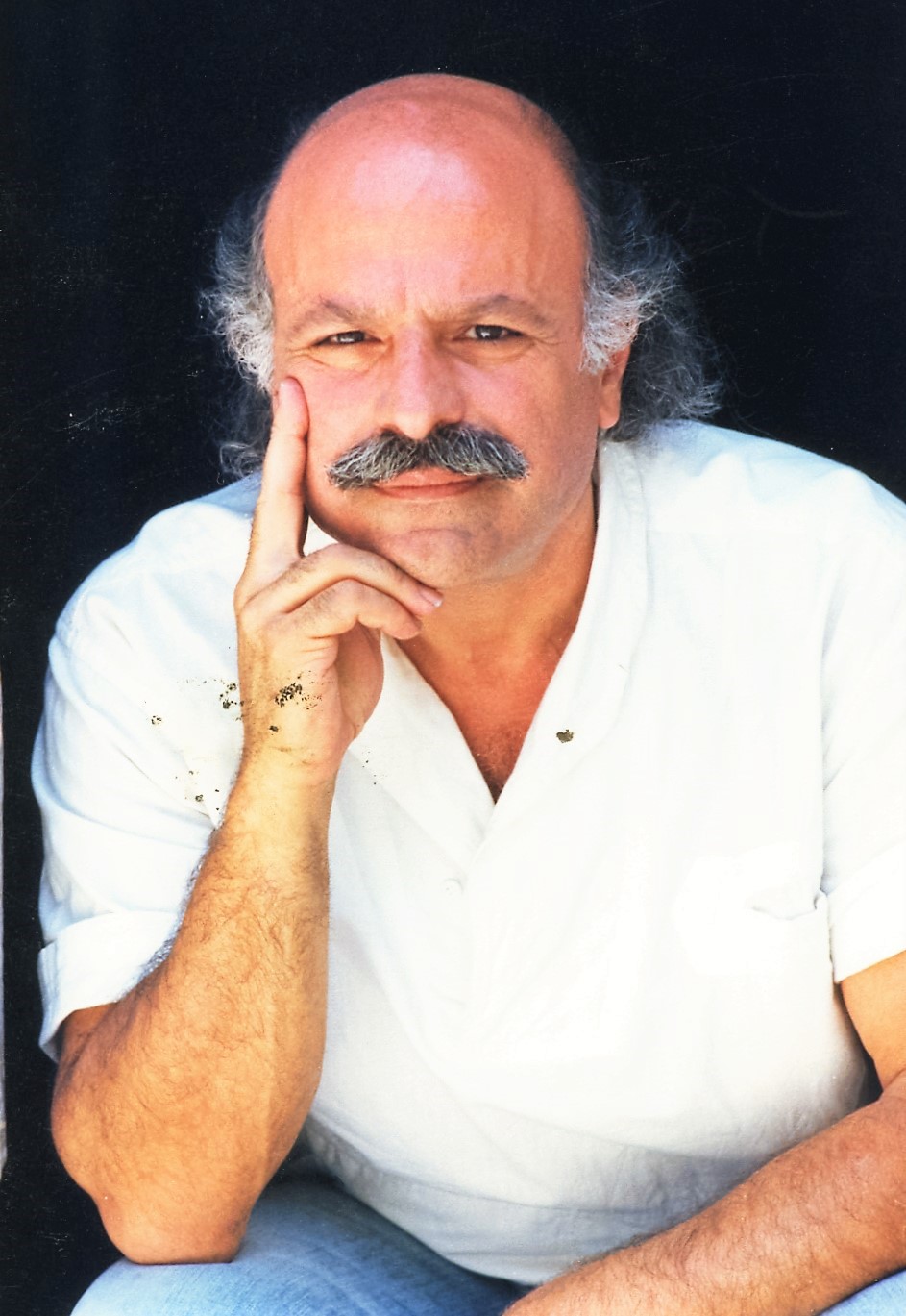
Rida Hus-Hus 1939-2016
Nancy Lindisfarne writes:
The Syrian painter and printmaker, Rida Hus-Hus, died in Mannheim, Germany on the 30 July 2016 at the age of 77. His courage, uncomplicated generosity and celebration of all that was beautiful is to be remembered and cherished. His life drawings and portraits reflected his affection and interest in other people. Through still-life drawing and flower pictures he celebrated the joy of quotidian detail, while his vibrant pastels captured the sweeping landscapes outside of Damasus, and literally painted Syria in a most beautiful light. Yet Rida was also intensely political in the dangerous environment of the Assad dictatorship, and to keep himself sane, and preserve the independence of his art, he lived an extremely modest and cleverly managed life. Continue reading
 This was posted just before the UK referendum on leaving the European Union.
Jonathan Neale: Please vote against borders on Thursday.
I was born in New York just after the Second World War, and now I live in Britain. I was six years old when my family first went to India. We lived in Ludhiana, a small industrial city in Punjab. Six years before India and Pakistan had been partitioned. Hindus and Sikhs had killed Muslims, and Muslims had killed Hindus and Sikhs, until three quarters of a million were dead. One evening my father’s best friend, Mister Dillon, played caroms with me and told me that his family had sheltered a Muslim under their house to save his life. I understood he was telling me that there were good people in the world.
When I grew up, I understood that no one else in Punjab had ever told me a story like that, and that was part of what Mister Dillon was telling me too. But so many of our older neighbours told me that I must see Lahore, in Pakistan, once before I died. They could never go back. Continue reading
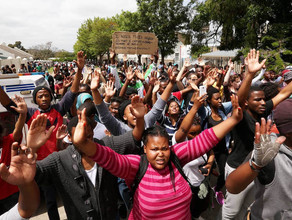 Students at Rhodes University in South Africa went on strike today (20 April) against rape culture on campus. The police opened fire with rubber bullets and teargas, and arrested several students. The situation is electric, it is national news, and there are rumours the action will spread to other campuses. Continue reading
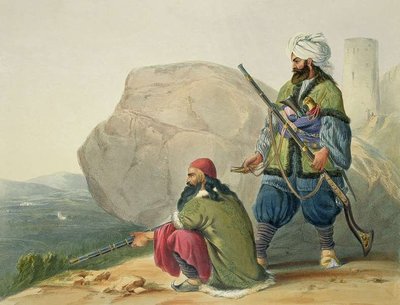
Afghan Resistance, 1842
Nancy Lindisfarne and Jonathan Neale
This article is about three intersecting wars in the Middle East, in Afghanistan, Iraq and Syria.[1] The bombings in Paris occurred just as we were finishing the piece, and give our arguments here further tragic relevance.
This piece is 25,000 words long, and readers may find it easier to read by downloading the version here: Oil Empires 16Nov2015 FIN5.
It will help the reader to know from the outset where we stand. We want the mass resistance to the Assad regime in Syria to win, and the Russian armed forces and their allies to leave. We want the Americans and their allies to leave Afghanistan, now, completely. We want Assad and the American, British, French and Russian military to stop bombing the Syrian resistance and the Islamic State.[2] Continue reading
Nancy Lindisfarne writes: The lunar month which began in mid-June this year is the Islamic month of Ramadan, the month of fasting and charity. This is a story to mark Ramadan, and one day in the life of Basima. At forty five, she is still unmarried, on the shelf, and as the youngest daughter of a large Syrian family, she has become the sole carer of her elderly, difficult mother.
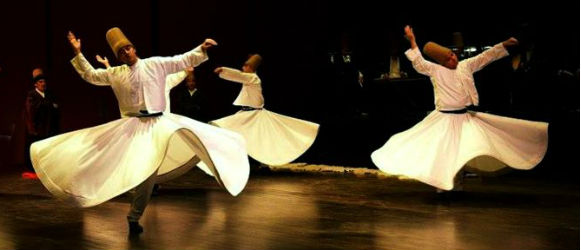
This short story is set in Damascus in the 1990s, where I did a year’s anthropological fieldwork among well-to-do Damascenes. For me, unlearning academic writing and writing fiction was a lengthy and salutary experience. The impetus came from my anger and exhaustion at countering simplistic, popular stereotypes of Arab or Muslim women and men as fundamentalists, terrorists, or both. My hope then was that the stories might be a way to reach an audience beyond the academy. Continue reading
Jonathan Neale
This post will be of interest to only some of our readers. But we hope it will be very useful for them.
It is not easy to be both an academic and an activist. The values, the audiences and the constraints are different. Sitting down to write, you can feel yourself pulled in two different ways. The result is often muddled thinking and murky prose. There is too much ranting for an academic audience, and too much gobbledygook for the movement. In many cases, there is no prose at all, only silence, and pages crumpled in the wastebasket or erased on the screen.
The first half of this post offers some advice that can make writing easier, faster and more useful. The second half explains why universities make activists feel stupid, how they do it, and how you can cope. Continue reading

Nancy Lindisfarne writes: In understanding the Taliban we need to face up honestly to two quite different things. First, the Taliban are on the side of the poor . Most of their supporters come from the poor. The leaders of the Taliban are themselves from among the poor. (In this they are unlike most other Islamist groups.) And when they take power in an area the life circumstances of the poor improve significantly. These are the reasons why many ordinary people support the Taliban.
But there is another truth: the Taliban are also conservative in their sexual politics, and their policies oppress women. This is one of the things most ordinary Afghans and Pakistani Pashtuns don’t like about the Taliban.
Both these things are true. We need to face up to this contradictory reality. So we need to explain the situation in some detail. This post is an academic – but readable – paper explaining the class background of the Taliban. In another post, we shall turn to their right wing gender politics. Continue reading
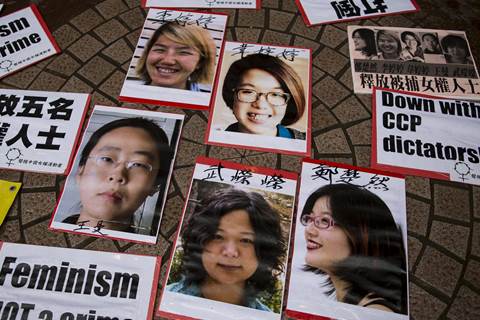 The five Chinese feminists we wrote about in an earlier blog have been released. They are not completely off the hook, and could be charged at any time over the next year. But this is still a welcome victory, and in part a result of global solidarity
 Anne Bonny Pirate