Don’t Bomb Mosul: The Reasons Why

american-bombers-ramadi-october-2015

American planes bombing Ramadi in October, 2015

Nancy Lindisfarne and Jonathan Neale

An assault on the Iraqi city of Mosul by the United States, Iran, the Iraqi government, Kurdish forces and Shiah militias looks imminent. We can expect massive bloodshed and the destruction of most of the city.

Mosul is now held by ISIS. Different estimates suggest that between 600,000 and 1,500,000 people are still in the city. In the last year Iraqi and Iranian forces backed by the US bombs have retaken the cities of Ramadi and Fallujah from ISIS. In both cases, the whole city was flattened by American bombs, and almost all the people became refugees. Those two cities remain destroyed, and almost empty.

Because ISIS holds Mosul, every reactionary power in the world will welcome the bombing. On present form, almost the whole of the European and North American left will do nothing to protest the bombing, and many leftists will support the assault.

The position of most of the left makes us sick at heart. Do Muslim deaths not matter? Continue reading
Oil Empires and Resistance in Afghanistan, Iraq and Syria


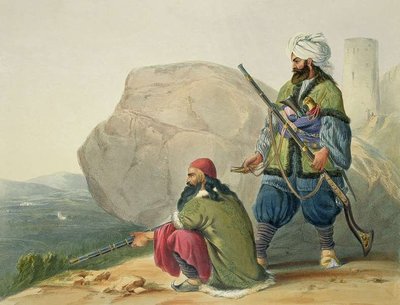
Afghan Resistance, 1842

Afghan Resistance, 1842

Nancy Lindisfarne and Jonathan Neale

This article is about three intersecting wars in the Middle East, in Afghanistan, Iraq and Syria.[1] The bombings in Paris occurred just as we were finishing the piece, and give our arguments here further tragic relevance.

This piece is 25,000 words long, and readers may find it easier to read by downloading the version here: Oil Empires 16Nov2015 FIN5.

It will help the reader to know from the outset where we stand. We want the mass resistance to the Assad regime in Syria to win, and the Russian armed forces and their allies to leave. We want the Americans and their allies to leave Afghanistan, now, completely. We want Assad and the American, British, French and Russian military to stop bombing the Syrian resistance and the Islamic State.[2] Continue reading

Thinking about Feminism and Islamophobia (3) The new grand alliance in the Middle East

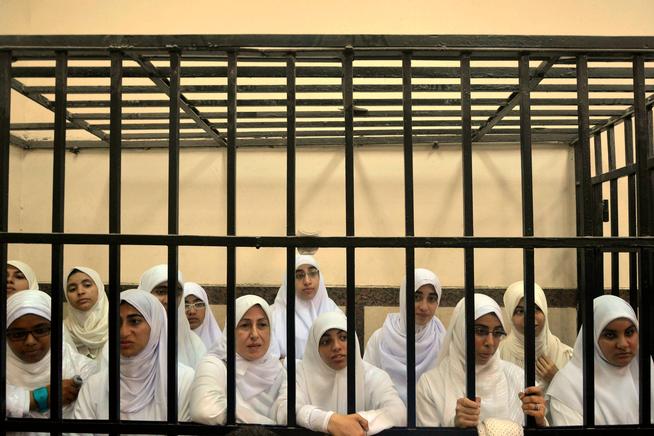
Women defendants at a mass trial of supporters of the Muslim Brotherhood in Alexandria, Egypt, November 2013

Nancy Lindisfarne and Jonathan Neale explain the changing international alliances in Middle Eastern politics, and how this is connected to rising Islamophobia in Europe.

In most of Europe and North America now there is only one acceptable form of racism: prejudice against Muslims. This is recent. Until 1978 in most of Europe and North America Muslims were often discriminated against because they were Asian, or Arabs, or people of colour. But in the US, Britain and many other countries they were not singled out for their religion. Continue reading

Iranian Street Aesthetics

net3

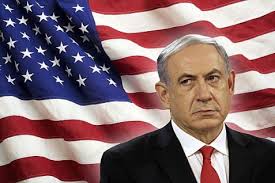
Netanyahu speaking to the US Congress: ‘Do a deal with Iran and nuclear war is inevitable’

Nancy Lindisfarne writes: One of the reasons Middle East politics is so confusing is that the alliances between the major players keep shifting. Changes in the balance of power are often extremely complicated, and leave plenty of gaps in our understanding of what is going on. In these gaps Islamophobia thrives. This post is meant as an antidote to the Western racism that targets Iran.

The shenanigans we’ve been watching this past week in anticipation of the Israeli election on Tuesday, the 17th March are a measure of the scale of the changes that have been taking place over this past year. We shall write about the new political alignments at length in a later post. Here I want to mark what hasn’t changed nearly as much.

OLYMPUS DIGITAL CAMERA

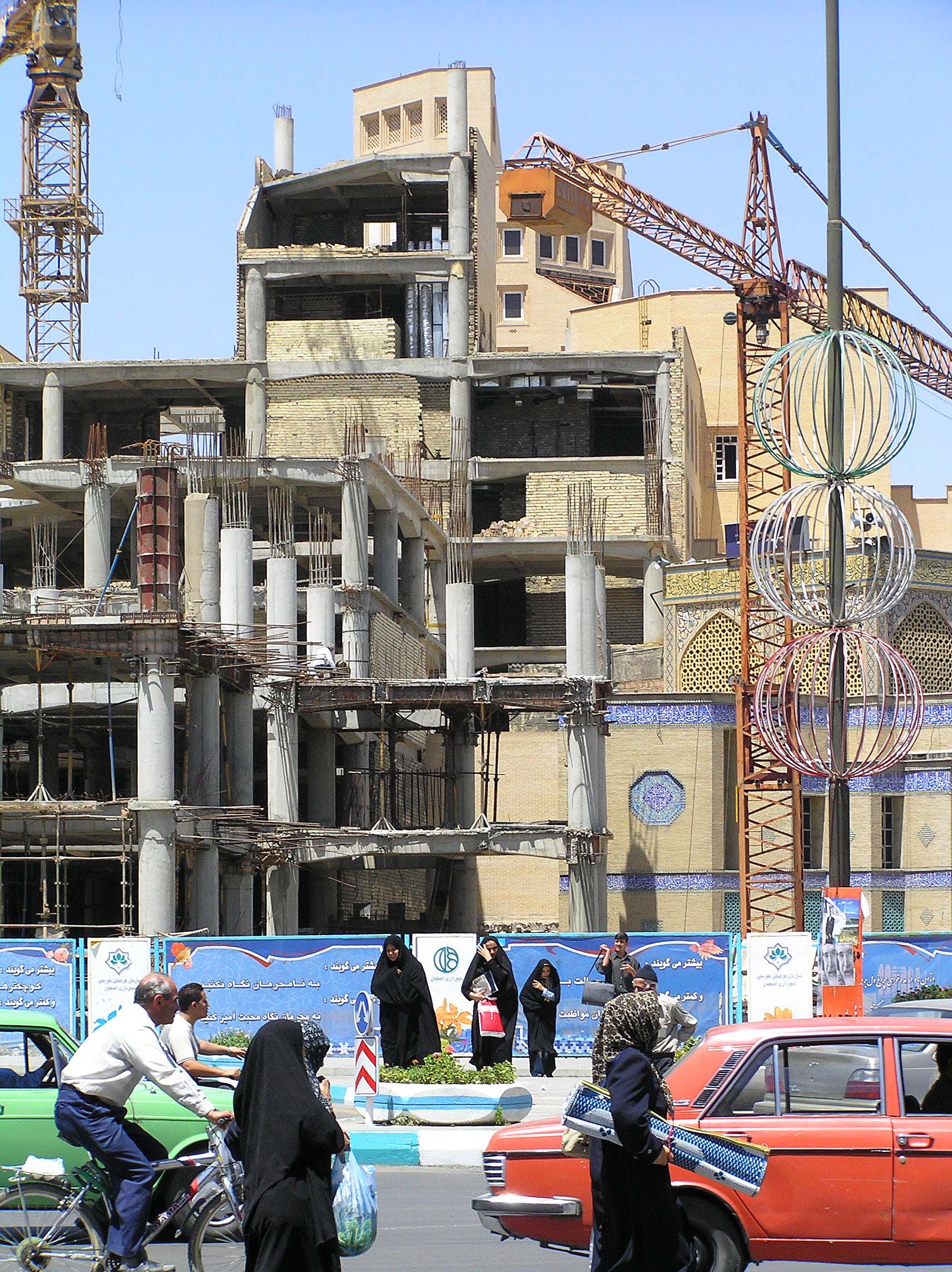
New building, Isfahan

In 2005 I travelled in Iran for a month. I had recently left academic teaching to do art. Luckily, I had remnants of Persian left over from anthropological fieldwork in Iran in the 1960s, and fieldwork in Afghanistan in the 1970s. In 2005 Western propaganda against Iran was relentless and visually dominated by ugly images of dust, terrorists and women smothered in black veils. In Iran, however, people were kind, endlessly helpful, and above all, they lived their lives in colour! Continue reading