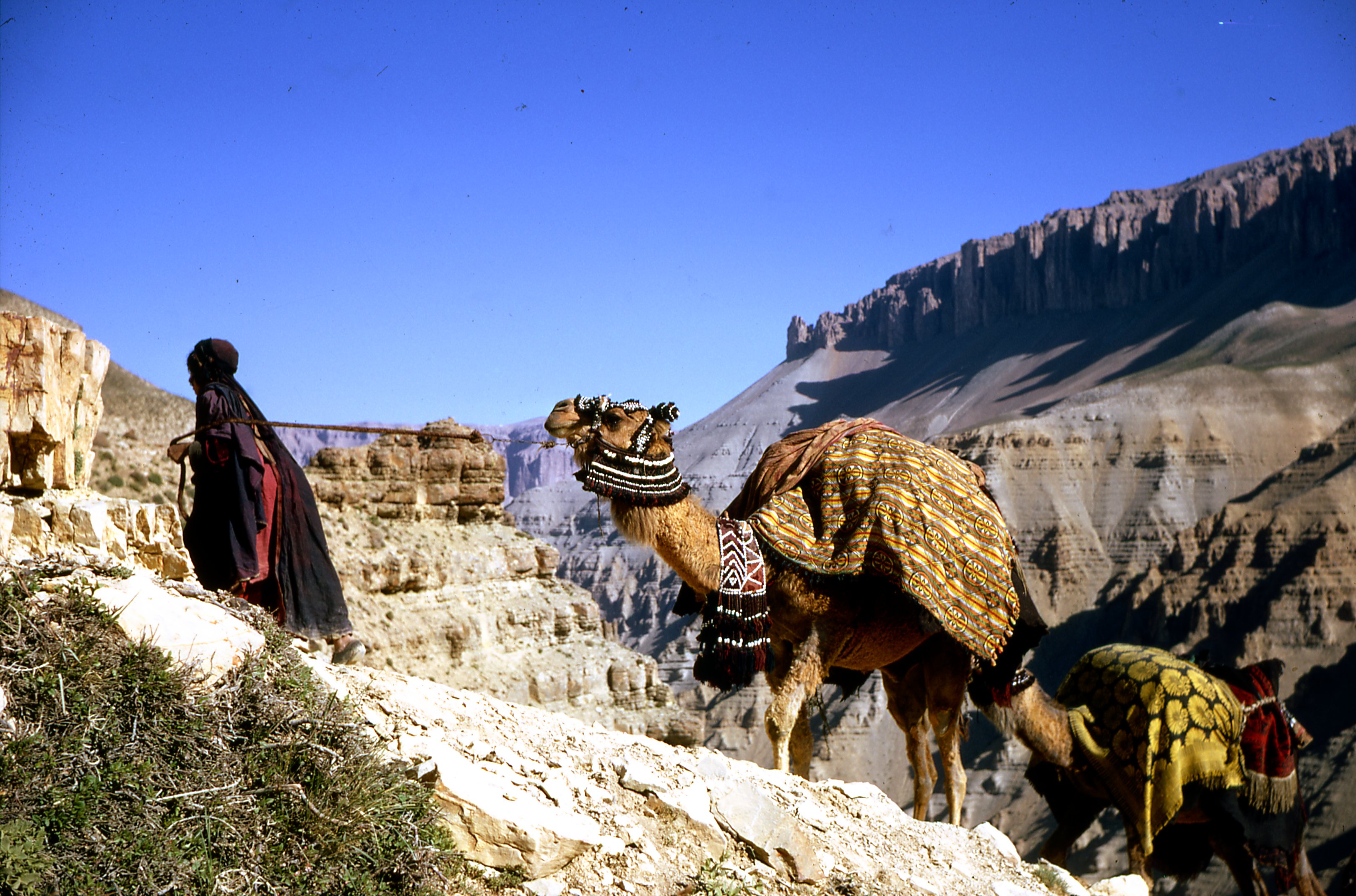
Nancy Lindisfarne writes: In the early 1970s, Richrd Tapper and I spent a year doing anthropological fieldwork with the Piruzai, pastoralists and farmers in northern Afghanistan. Our new book, The Piruzai of Afghanistan – A Visual Ethnography, tells their story in some 380 photographs, mostly in colour.
Since the time of our fieldwork, Afghanistan has been engulfed in nearly fifty years of war. During these tragic years, the Piruzai fled from the north of Afghanistan to refugee camps in Pakistan. They then returned to the Helmand in southern Afghanistan where some of them and their descendants have been major actors in more recent events.
All too often, Afghans have been stereotyped for other people’s purposes. In a world so altered, we have looked for ways to give something back to the people who welcomed us into their lives. Richard’s recent book Afghan Village Voices (Tapper & Lindisfarne-Tapper 2020) is a remarkable compilation of stories drawn from 100 hours of tape recordings in which the Piruzai speak for themselves. This visual ethnography is a companion volume to Afghan Village Voices and a further record of the lives of admirable people in an easier time.
The Piruzai of Afghanistan – A Visual Ethnography is published in association with The White Horse Press. If you want to order the book, details are at the end of this post.
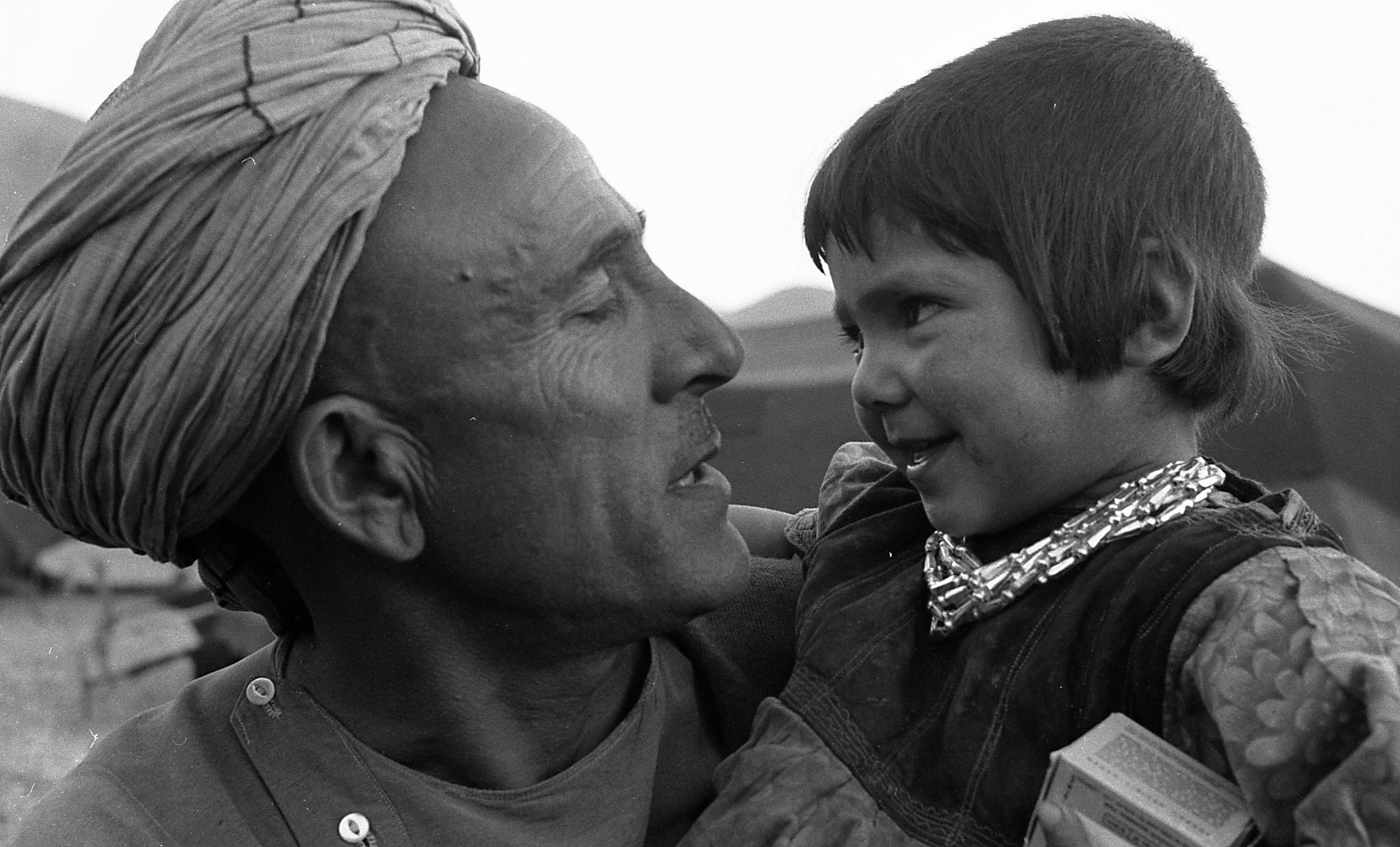
We were welcomed by Haji Tuman, the headman of one of the Piruzai villages, and joined him and his family in the spring pastures. Doing ethnographic fieldwork requires a lot of give and take, and it only works when it works. But when it does, it is a joy and an extraordinary privilege.
We loved watching Haji Tuman with his youngest daughter, Maygol. They were crazy about each other. .
The Piruzai kept two breeds of sheep, Karakuli and Arabi. Karakuli lambskins (known to furriers as Persian Lamb or Astrakhan) were the main source of cash income from pastoralism. The fat-tailed Arabi sheep were kept for milk, meat and wool.
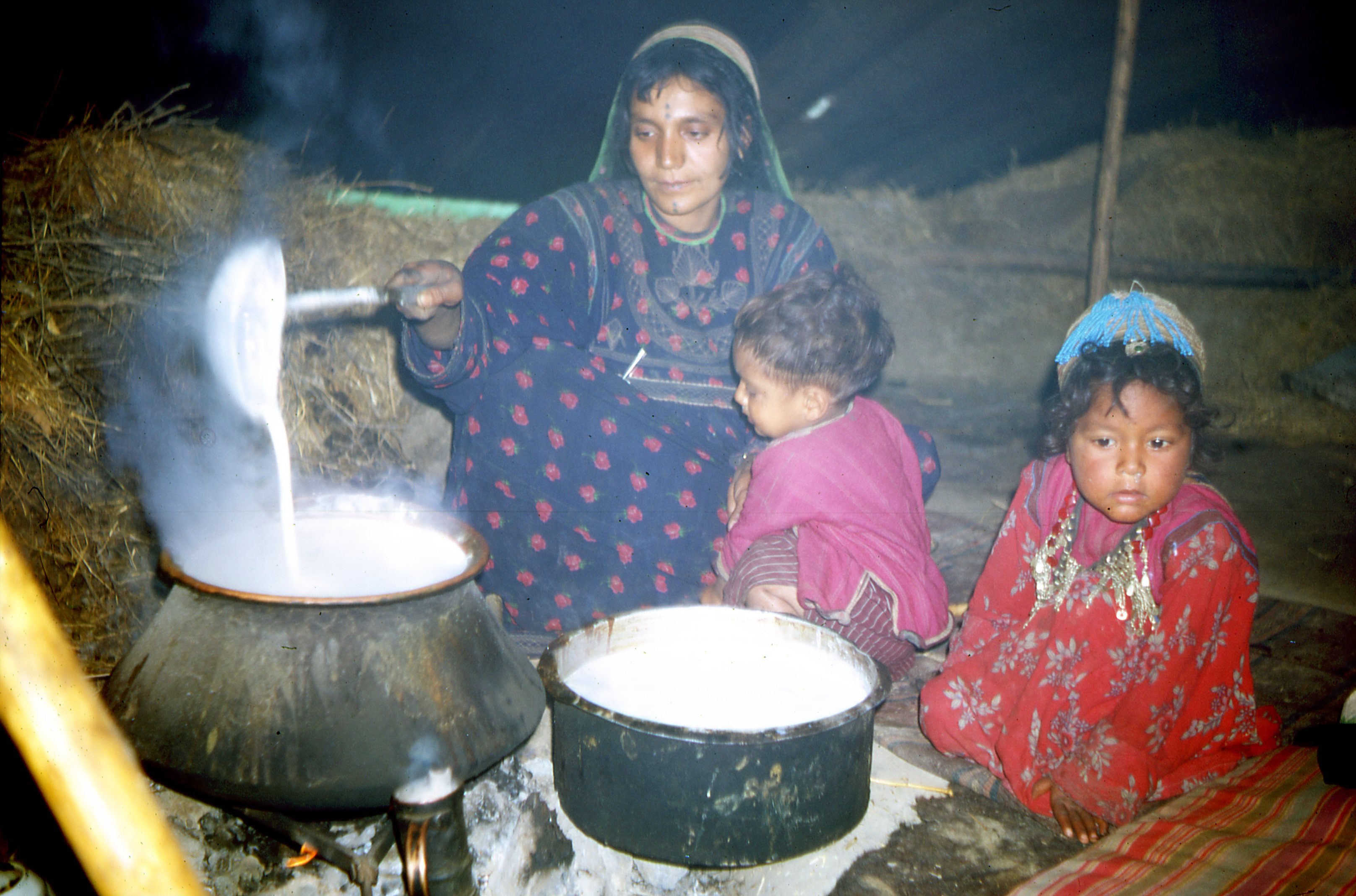
My friend Badam managed her tent household while her husband, Khani-Agha, was away on military service. I spent many whole days with her and her three little children, Taj-Mahmad, Shiri and Lal-Mahmad. Here Badam is boiling up whey to form whey balls, krut, a prized foodstuff made into soup and stews in winter.
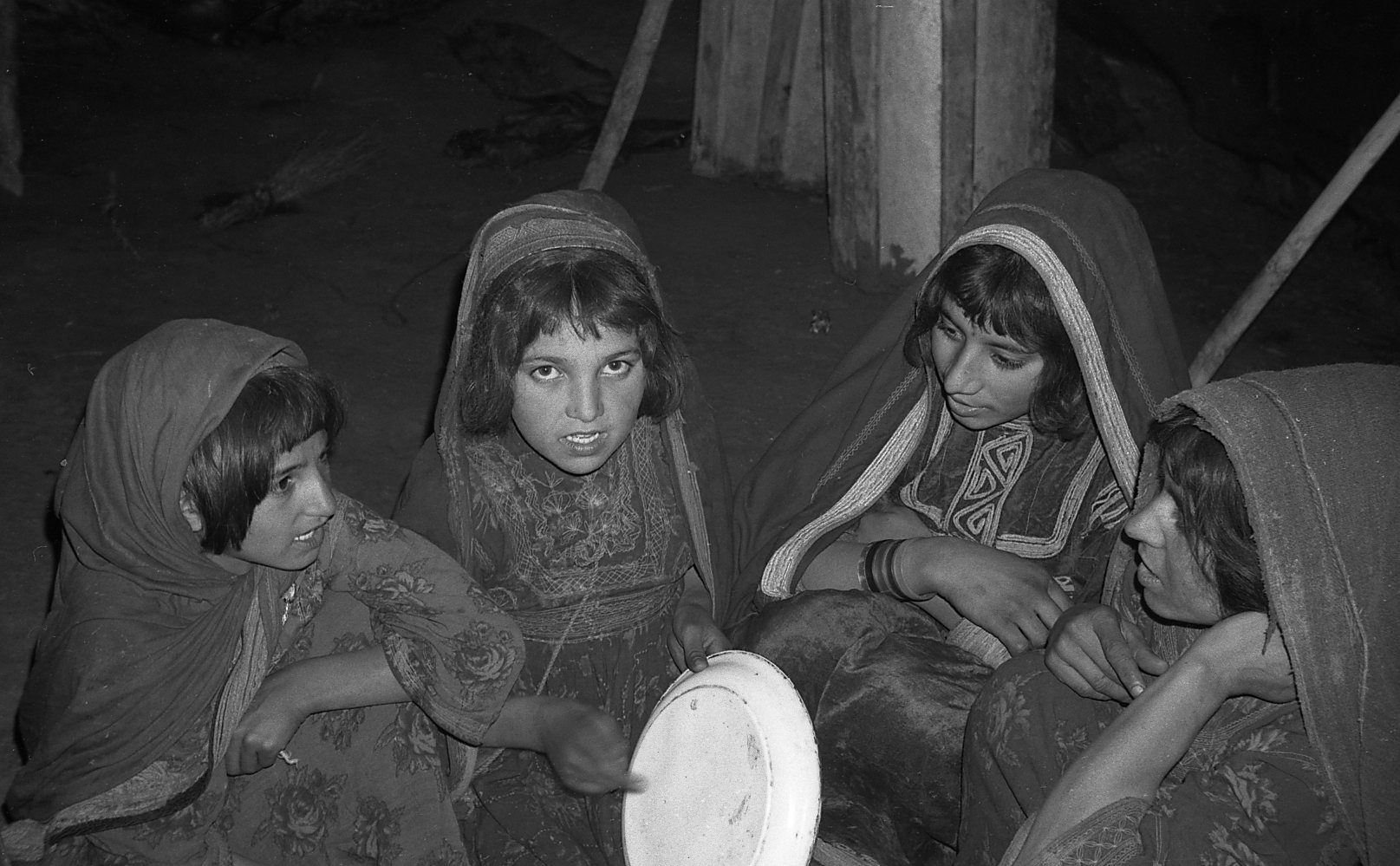
Spring was also a wedding season. In our camp Magar was due to leave home and join her husband, Jomadar, a second cousin and neighbour in the village. They were madly in love, and the celebrations were lavish. Small groups of girls and women close to the couple came together to sing and dance whenever they had a moment, day and night.
Continue reading Anne Bonny Pirate